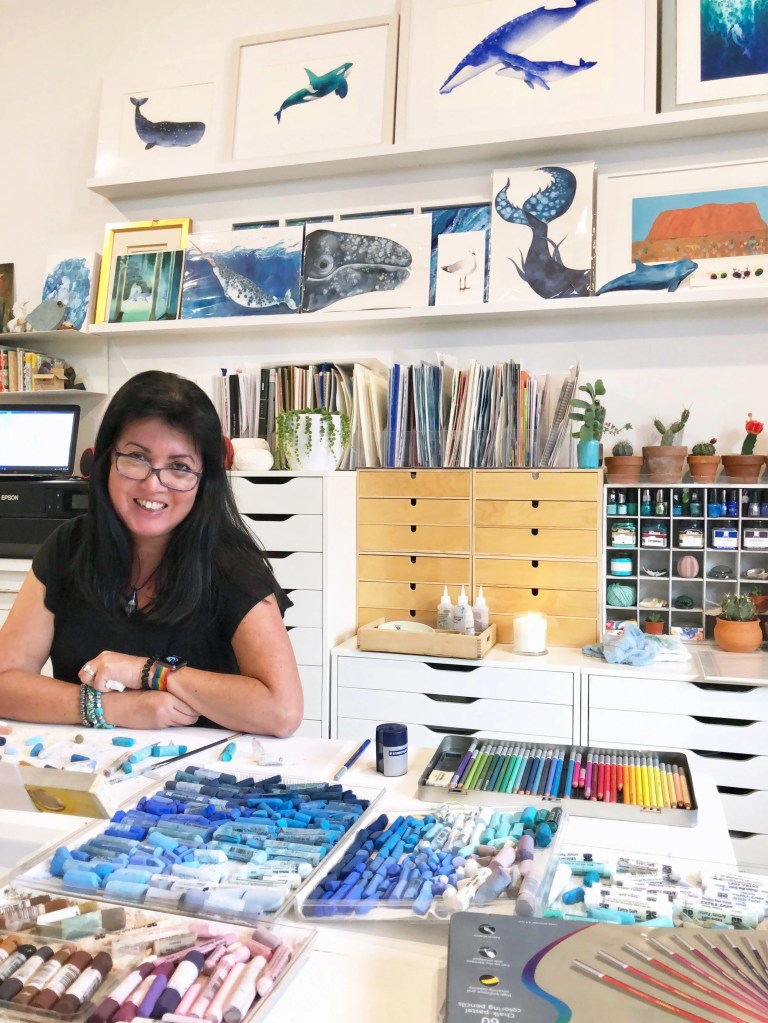
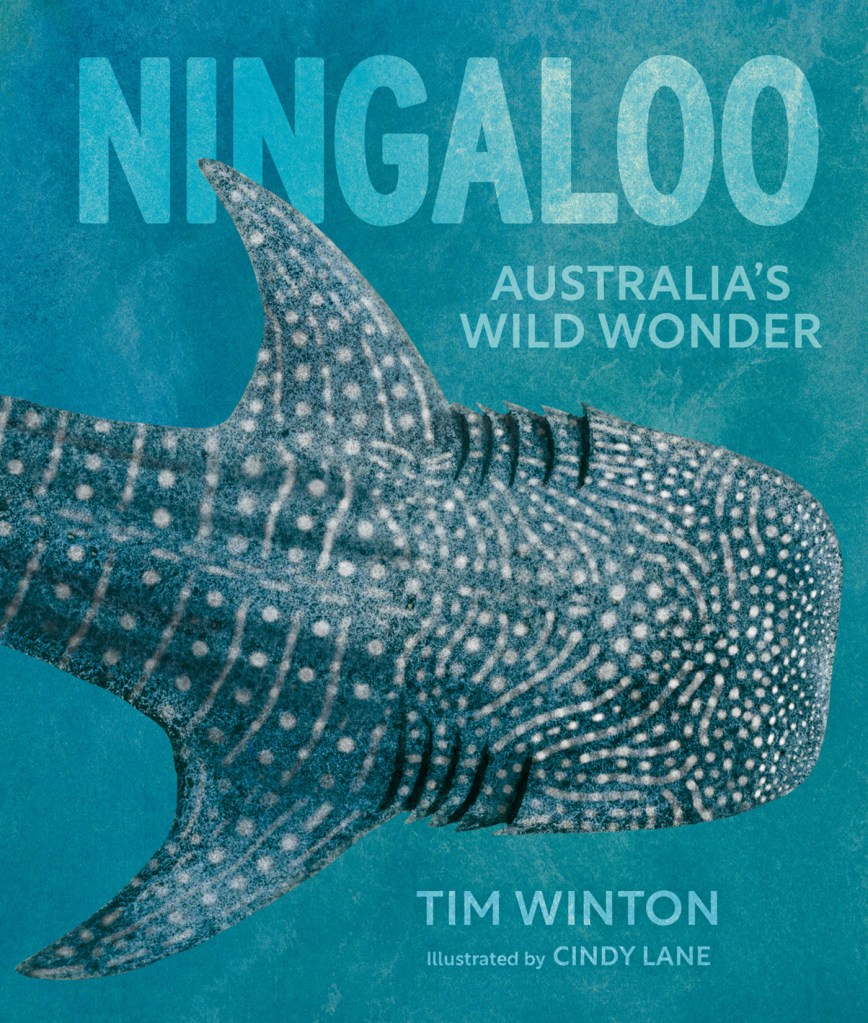
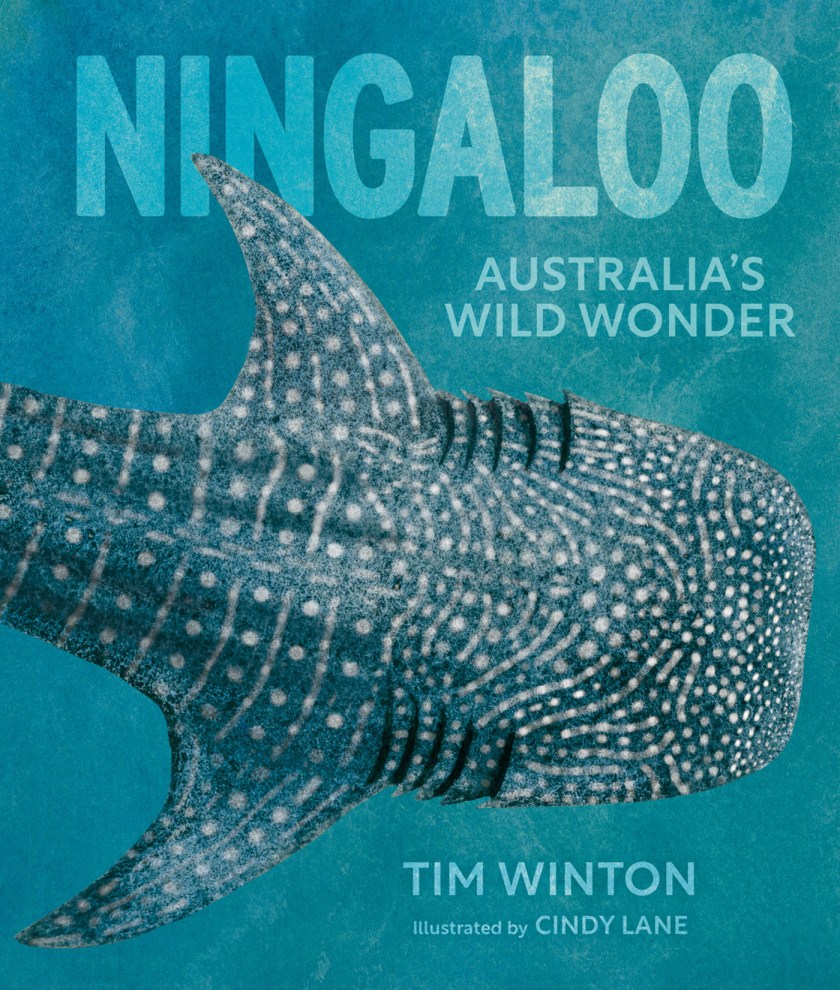
Cindy Lane is an award-winning artist and illustrator who loves the ocean. She was born and grew up by the sea in Sydney, lived by the Great Barrier Reef in FNQ, and now has her studio by the Indian Ocean in Perth. Cindy loves to make her own paints with materials she finds in nature, and collects waters from all over the world to use in her paintings. Today we’re thrilled to be talking about the nonfiction picture book Ningaloo, illustrated by Cindy and written by Tim Winton.
From the publisher:
In the north of Western Australia, where the desert meets the sea, lies one of the last great wild regions on earth. The First Peoples of the region call it Nyinggulu. The rest of the world knows it as Ningaloo. From enormous whale sharks to minuscule Cape Range Millipedes, and from colourful coral reefs to muddy mangroves, the biodiversity and interconnectedness of each distinctive ecosystem will fill young readers with wonder and awe.
What’s your favourite Ningaloo-related fact?
Orcas aren’t whales at all, but the world’s biggest dolphin!
Did you need to do any research before you started illustrating Ningaloo?
Lots! As the book wasn’t just about Ningaloo, but also covered the vast areas of Exmouth Gulf and Cape Range National Park, I flew up so I was able to take a lot of aerial shots of the landscape, which inspired some of the illustrations in the book. I also dived beneath the waves for photos of humpback whales, mantas and other sea creatures.
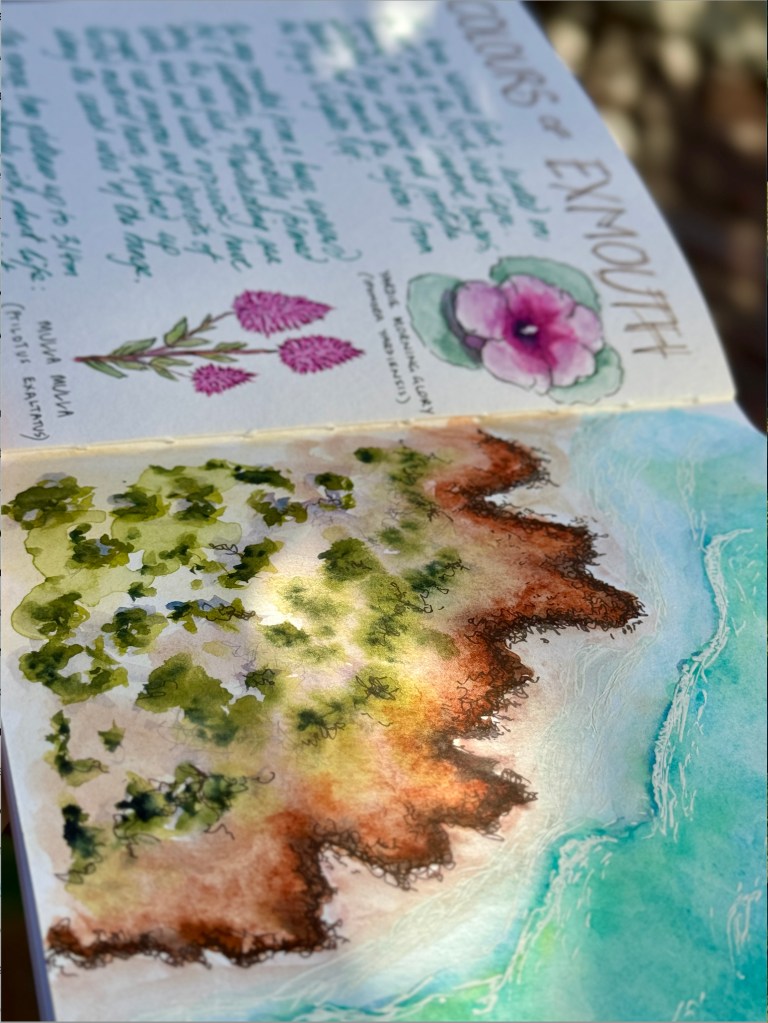
Can you tell us about your choice of materials/art mediums for your illustrations in Ningaloo?
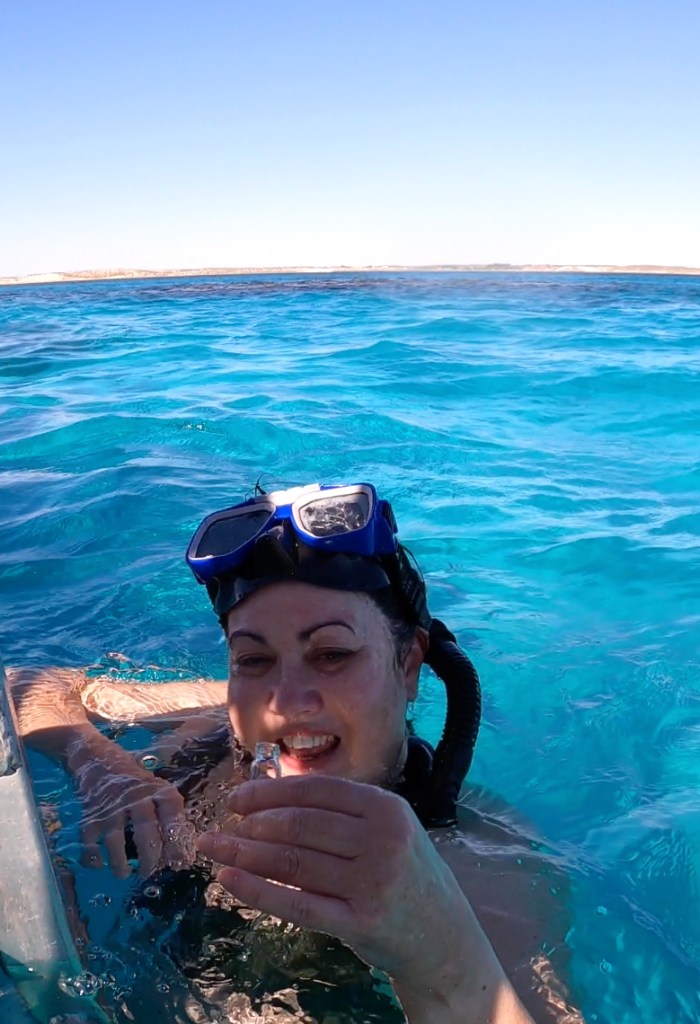
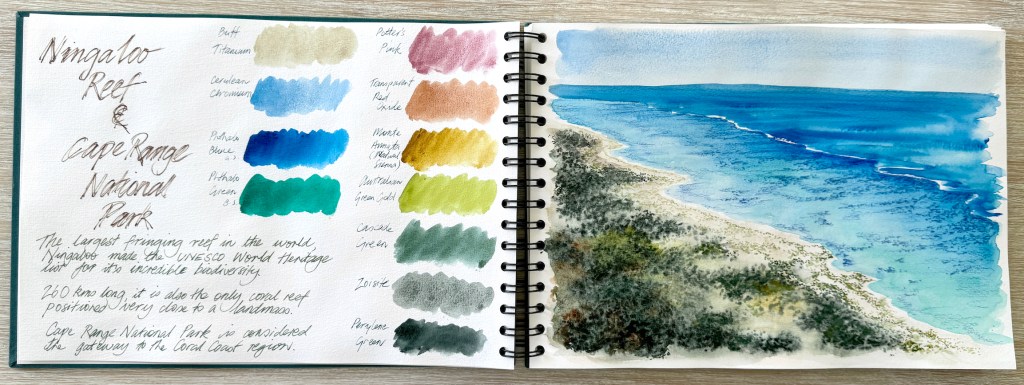
Watercolour is my medium of choice, along with pencils, pen and pastels which I then collage altogether digitally. When I paint an area, an animal, or plant, I like to infuse it with the DNA of the place, and I usually do this by incorporating the local natural water. When out researching a place, I take small bottles to collect water samples to paint with. Waters were collected from deep within Ningaloo reef, diving with humpbacks, manta rays, tiger sharks, and turtles; from the shore-hugging mangroves filled with crabs and migratory wading birds; from a Cape Range creek, home to emus and rare rock wallabies; and from Exmouth Gulf’s seagrass meadows, water stained with sediment clouds of feeding dugongs.
What’s something you wish more people knew about Ningaloo or its creatures?
Even though there’s been efforts to protect the areas with sanctuary status, it’ll mean nothing if we can’t get on top of climate change. The coral, sea grass and the marine life that depend on these are fighting a losing battle against continually rising ocean temperatures. We can make a difference with our choices, but we need to act now.
Can you tell us a bit about what you’ve been working on next?
I’ve just finished two weeks of school holidays workshops focused on Ningaloo, with more to come throughout the year with libraries and schools. Ningaloo is part of an Oceans-themed book illustrations exhibition in Newcastle NSW, so I may head over there for more workshops soon.
I’m also working on another nature story book which is 48 pages long, so I’m painting everyday for the foreseeable future!
Thanks for the opportunity to share my world, Alphabet Soup Books!
Ningaloo is out now! Ask for it at your favourite bookshop or local library.
AWESOME EXTRAS
Download the Teachers’ Notes for Ningaloo
Visit Cindy Lane’s website for more about her and her books





 alphabetsoup.net.au