Posted in authors, interviews

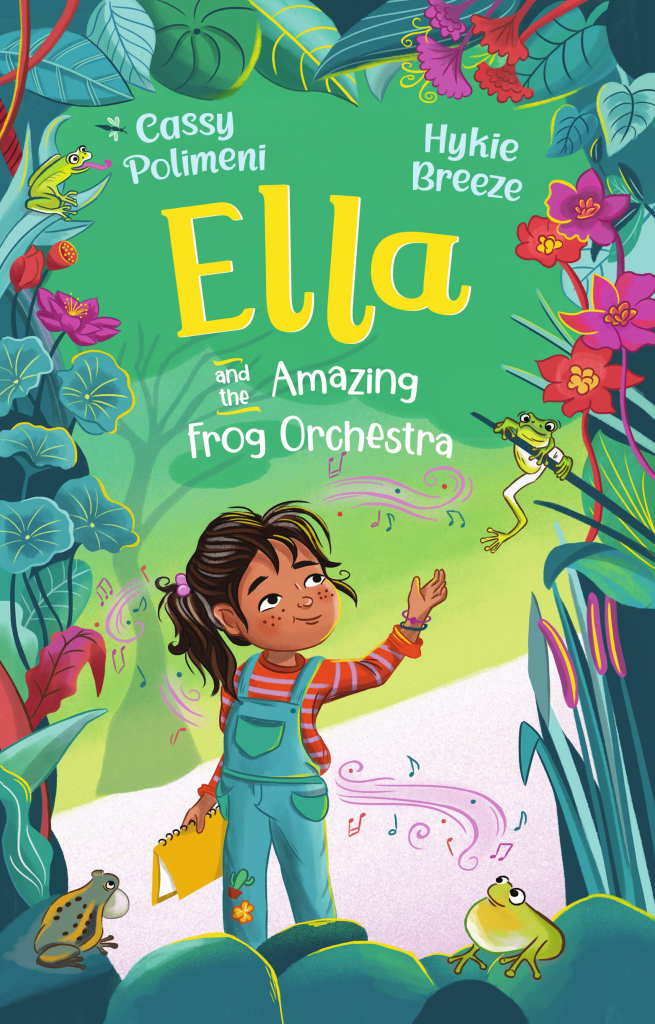
Cassy Polimeni on Ella and the Amazing Frog Orchestra

Cassy Polimeni writes books for children and young adults. She has worked as a bookseller, travel writer, magazine editor, TV book reviewer and airport chauffeur. Today we’re chatting to Cassy about Ella and the Amazing Frog Orchestra – the first in a fun four-book junior fiction series, illustrated by Hykie Breeze.

The publisher provided Alphabet Soup with a reader copy of Ella and the Amazing Frog Orchestra.

From the publisher:

Eight-year-old Ella hates her new house. She wants to be back in her old house with her best friend Viv next door … until one day Ella discovers a secret pond in her neighbours’ backyard with an orchestra of frogs! At her new school Ella meets Mai and learns about their class frog bog project. But when Ella finds out that the neighbours’ secret pond is under threat Ella and Mai must come up with a plan to save the frogs – before it’s too late!


I lived in the same house my whole childhood, but some of my closest friends at school over the years were ‘the new kid’. I think any new experience – starting school, a new after-school activity or joining a new social group – can feel a bit like moving house because you’re thrown into a new world with new faces and new rules and you might miss the comfort of familiar things. That got me thinking about what might make it easier for Ella and I decided it would be nature — and frogs! – and that connecting with this part of her new environment would help her feel more at home. I did love reading up my favourite tree when I was a kid, just like Ella does in the book. Seeing that childhood memory brought to life with Hykie Breeze’s sweet illustration was a highlight!

That’s too hard – with over 7500 species to choose from I need at least a Top 10! I have been fascinated with glass frogs lately — they’re see-through, so you can see their internal organs. Very cool and slightly gross. I’m also fascinated by a tree frog that was discovered in Western Australia recently who was bright blue because of a genetic quirk (tree frogs are usually green).

Both! When I had the idea for a frog orchestra I listened to lots of frog recordings (The Frog ID app is great for this) and tried to work out how to put the sounds into words (onomatopoeia) as well as which calls reminded me of which instruments in an orchestra. I didn’t include frog species names because I wanted people from all around Australia (and hopefully the world) to imagine these frogs might live near them.

One of my favourite frog facts is that frogs are an ‘indicator species’ (like bees and coral), which means they can tell us how healthy the environment is. Because of their extremely sensitive skin, frogs are the first to react and respond to changes in their environment, which makes them a bit like an alarm if something is wrong. They are canaries in the coal mine of climate change. Their sensitive skin also means it’s very important not to touch them if you can help it. Anything on your skin – even soap or sunscreen – could be harmful to them. It’s best to admire them from a distance, but if you ever need to pick up a frog for any reason you should use rinsed/dampened rubber gloves.

The next book in the series, Ella and the Sleepover Safari, will be out early 2025 so I’m excited to be able to start sharing that very soon. It’s about what happens when Ella’s old friend Viv and new friend Mai meet for the first time at her birthday party – a sleepover at the zoo! The girls don’t get along at first but when an animal escapes they need to figure out if they can work together. I’m also working on Books 3 and 4 in the Ella and the Frogs series as well as a narrative non-fiction picture book all about science and wonder with CSIRO Publishing.

Ella and the Amazing Frog Orchestra is out now! Ask for it at your favourite bookshop or local library.


Take a sneak peek inside the book (look for the thumbnails next to the cover)

Ask your grown-up if you can take part in the seventh annual FrogID Week (November 8th to 17th, 2024), which is the Australian Museum’s national citizen science project.

Visit Cassy Polimeni’s website to learn more about her and her books
Ella and the Amazing Frog Orchestra by Cassy Polimeni, illustrated by Hykie Breeze
Posted in authors, interviews

Cristy Burne on Beneath the Trees

MEET THE AUTHOR

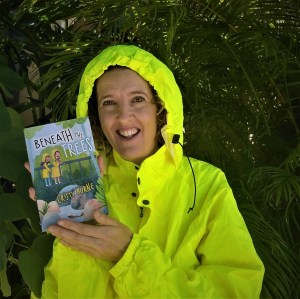
Cristy Burne holds Beneath The Trees Cristy Burne writes fiction and nonfiction and her books are bursting with adventure, friendship, family, nature, science and technology. Cristy has worked as a science communicator for nearly 20 years across six countries. She has been a science circus performer, garbage analyst, museum writer, and atom-smashing reporter at CERN, but her all-time favourite job is working with kids to embrace the intersection between science, technology and creativity.

Cristy’s latest book is Beneath the Trees, with illustrations by Amanda Burnett. From the publisher:

Cam and Sophie feel like they’ve been travelling forever to get to the rainforest and the river and their cousins. They just want to see a platypus in the wild, but with the rain tipping down and the river turning wild they can’t see a thing. Until suddenly, they can. A platypus is just below them, and it needs help! But when their rescue attempt goes horribly wrong, it’s not just the platypus that needs saving …


Your characters Cam and Sophie want to see a platypus in the wild. Have you ever seen a platypus yourself?
Beneath the Trees by Cristy Burne and illustrated by Amanda BurnettYes, and I loved it! In 2019 my family travelled across Australia to see platypus in the wild, just like in the book. In fact, that’s the whole reason Beneath The Trees exists. So the descriptions in the book of the forest, the rain, the river and the platypus are all real-life descriptions.

Platypus are so wonderful and so lovely to see in the wild. We need to do all we can to protect their habitat and our environment so animals like this don’t continue to decline.

You write books about kids having adventures in the great outdoors. Do any of your own childhood adventures make it into your books?
I grew up on a kiwifruit orchard and farm in New Zealand, so adventure was a huge part of my childhood. I remember being chased by bulls, rescuing a paddock of heifers from a flood, accidentally electrocuting myself with the electric fence while chasing a wayward cow through the orchard in the dead of night and in bare feet…

None of these adventures have made it into a book yet, but now you have me thinking….

Personal opinion: Leech or mosquito … which is worse?
Mosquito is way worse.

  1. Mosquito bites itch, but leeches use anaesthetic, so you don’t even know they’re biting you.
  2. Mosquitoes buzz around your room all night, but leeches are nice and quiet.
  3. Mosquitoes are responsible for millions of deaths (from diseases like malaria), but leeches are used to treat patients who are recovering from surgeries (like reattachment surgeries).

So leeches are way better than mosquitoes. And they’re way grosser too!

Do you have any tips for kids who’d like to write adventure stories?
Adventures stories are awesome to read, and awesome to write. The best bit is that you have to have experienced some adventure to write a good adventure story. You don’t need to have experienced the exact thing your character is experiencing, but you do need to know what it feels like to be frightened or lost, or how it feels to do the right thing, even when you’re afraid.

A good way to remember how you feel is to write about it in a diary each day. You’ll soon get bored of writing ‘I felt scared’ or ‘it was fun’ and you can start to experiment with new and scary and funny and original ways to describe your day. I dare you to start a diary and write in it every day for a week!

Can you tell us a bit about your next writing project?
My next book comes out at the end of April. It’s the first in a science-meets-magic adventure series co-written with debut author Denis Knight. Book 1 is called Wednesday Weeks and the Tower of Shadows, and it’s about a schoolkid called Wednesday who mixes magic and science to save the universe from a power-crazy goblin king. It’s loads of laughs!

Beneath the Trees is out now! Ask for it at your favourite bookshop or local library. 


AWESOME EXTRAS

Beneath the Trees by Cristy Burne and illustrated by Amanda BurnettDownload Teachers’ Notes for Beneath the Trees

Read the first chapter on the publisher’s website

Visit Cristy’s website to see some photos of the Queensland environment where the story is set

Watch a YouTube video of Taronga Zoo Australian fauna team releasing a rehabilitated male playtpus back into the wild in NSW

Posted in authors

Meet the author: Catherine Carvell

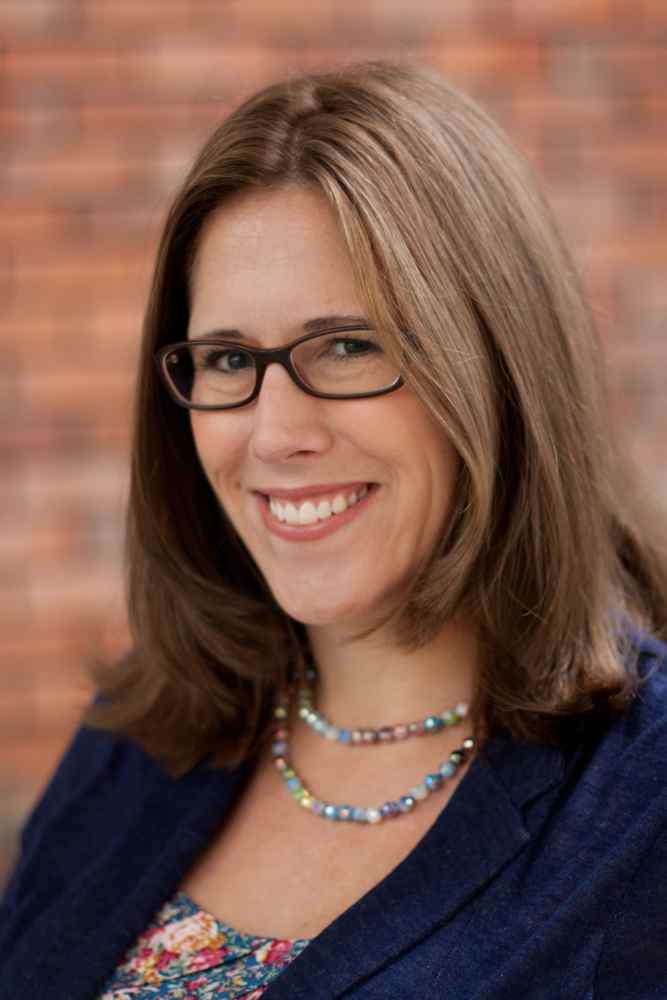
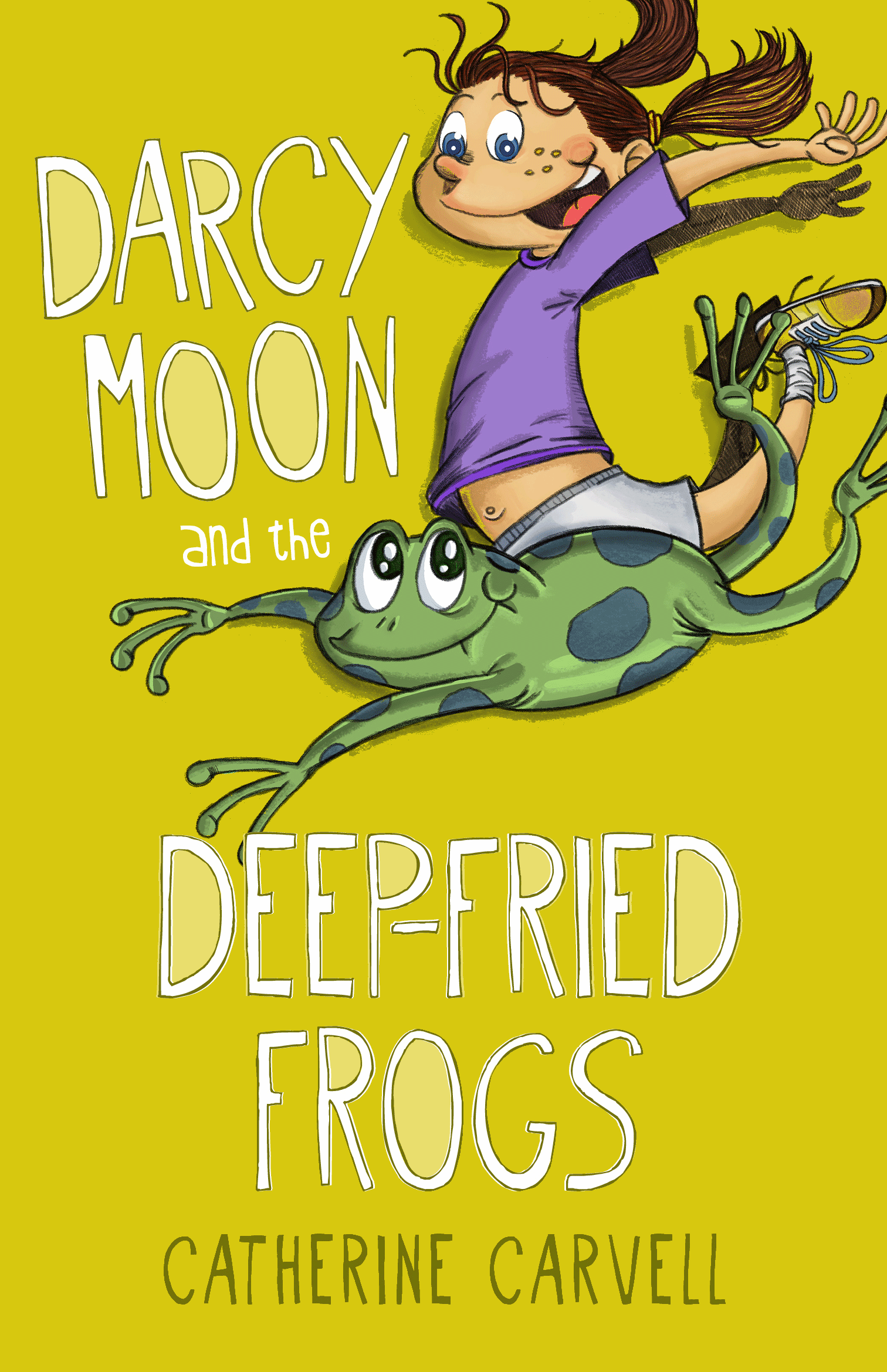
Catherine CarvellToday we are thrilled to have Catherine Carvell visiting us to talk about her brand new book Darcy Moon and the Deep-Fried Frogs. (If you live in WA you might have already had a peek inside Darcy Moon when it appeared in the West Australian lift out.)

Can you tell us something about where you live?

I live in a very small country called Singapore, which is a five-hour plane ride north of Perth.

Singapore is very close to the equator so it’s tropical and hot all year round. It doesn’t even cool down at night. Also, it rains every day and has super impressive thunderstorms.

My family and I live in a four-bedroom apartment in a high-rise apartment in the city. We don’t have our own garden, but we do have a big pool and a playground downstairs, which we share with all the other people in our apartment block.

The best things about living in Singapore include:

  • swimming every day
  • never, ever having to wear long sleeves and
  • a really excellent zoo where you can feed elephants, giraffes and rhinos!

Where do you get your ideas?

Wow! I get inspiration from all over. A memory or a dream or something I read in a book.

For example, I decided to write for children when I was reading a story to my daughter. We were both so happy curled up together and I realized something amazing. I was nearly forty years old and had travelled the world, but my most exciting adventures had all happened inside a children’s book.

Soon after that, I saw my son eat a snail.

We were both in the garden but I was too far away to stop him. It made me feel sick, but it also gave me a really good idea for a story.

So for me, inspiration is as simple as that.

I was inspired to become a children’s author because my daughter and I enjoyed reading a book together.

And Skippity Chips (which feature in Darcy Moon and the Deep-fried Frogs) were inspired when my baby ate a snail.

Darcy Moon (cover)

How did you come to be a writer?

I’ve always loved writing.  I wanted to be an author when I was seven years old, but as I grew older, I got busy with other things and stopped writing.

When I was all grown up, I still wanted to be an author, but kept it a secret until I had my own children. I wanted them to know it’s important to chase your dreams, no matter how old you are. So even though I was afraid I would be no good, I decided to follow my childhood dream.

Writing is my favourite thing in the world, and I enjoyed every minute of writing Darcy Moon and the Deep-fried Frogs. It was particularly fun getting to know my characters, especially Darcy’s parents. Every time they were in a scene, I would giggle and laugh out loud at my desk.

Having imaginary friends that make you smile is one of the best things about being an author.

Was it easy to get your first book published?

I was very lucky.

Fremantle Press was the first publisher I sent Darcy Moon and the Deep-fried Frogs to and they liked it.

When I got the email saying they wanted to publish it, I screamed and danced around like a lunatic.

Are you working on a new book now?

I’ve been working on another children’s book for over a year now. It’s the story of two friends who discover a strange and wounded creature trapped in the mangroves. I’m about halfway through and can’t wait to find out what happens to my two main characters.

I’m also working on a picture book and of course, there’s always the next Darcy Moon adventure. What animal will Darcy save next do you think?

Apart from that, I’m busy working on my new blog. Having a blog is heaps of fun. I get to write interesting articles about frog slime, endangered animals and how to recycle, as well as post fun stuff like frog jokes and u-tube clips. Check out the blog at darcymoonbooks.com, and leave a comment on your favourite post to let me know you dropped by.

What do you like to do when you are not writing?

I enjoy reading, nature walks, reading, sunshine and reading.

Also, I want to grow my own potatoes. As soon as I get a garden, I will do it.

Is your writing influenced by any writers in particular?

As a writer, I often think of reading as a sort of research, a way of seeing how others have done it. I’ve learned something from every book I’ve ever read, but I particularly admire the work of Morris Gleitzman, Wendy Orr and David Almond. 

Did you have a favourite author when you were growing up?

I read a great deal when I was young, but a few stories stick in my mind even now.

I loved the Famous Five books by Enid Blyton as well as The Secret Garden and The Little Princess, both by Frances Hodgson Burnett.

I’m not sure why these books resonated with me so deeply, but I still remember the thrill I felt each night crawling under the covers to read a little bit more.

Darcy Moon and the Deep-Fried Frogs has an environmental theme. Is this because you are interested in environmental issues?

Yes! I’ve always been interested in nature, especially the slimy bits. When I was small, I used to love snails and earthworms and tadpoles. I also remember collecting dead flies from windowsills and peering at them through the school microscope. I was fascinated by their alien eyes and strange, hairy legs. I drew them in a sketchbook and labelled all their body parts.

As I grew older I completed a Bachelor of Science at the University of Western Australia. I even worked at Greenpeace for a while, raising money by running a stall at the Fremantle Markets.

Humans depend on the earth for food, fuel, medicine and other things we can’t live without. And yet we continue to take more from the earth than it is capable of replacing.

We catch fish faster than they can reproduce.

We cut down trees faster than they can re-grow.

We are not living sustainably, and if we don’t address these issues now the impact for the next few generations and beyond could be catastrophic.

Nature is much more than an unspoiled view. It is the finely balanced machine, the science and the magic, that keeps our planet alive.

And it’s up to all of us to make a change.

Do you have any advice for young writers?

Read, write, and enter competitions.

Also, don’t let life get in the way of your dreams.

Visit Catherine Carvell’s website for more about her and her writing. And if you just can’t get enough Darcy Moon, make sure you check out the Darcy Moon Frog Blog.