Act by Kayla Miller, Walker Books Australia, ISBN 9781760654931
REVIEWED BY AASHI, 10, VIC
Aashi reviewed her own copy of this title.
You should always stand up for what you believe, right? Olive thinks that it is unfair that kids have to miss out on field trips just because they are expensive. She knows she has to fix this problem but she doesn’t know how.
Olive knows she has to act and change the problem (this is why the book is called Act). She decides to run for the school council. She works really hard and makes really cool posters, speeches and talks to her peers about why the problem matters.
Olive is running against two of her best friends. She did not tell them that she was going to run and they felt betrayed. This makes things awkward between her friends and she gets discouraged but does not stop trying.
I really liked Act because it shows you that you do not have to be an adult to lead. You may be a child but you have a powerful voice that you can use. It also shows perseverance and determination.
I would rate the book 5 out of 5 stars. It is so good and is suitable for all young readers between the ages 9 to 13.
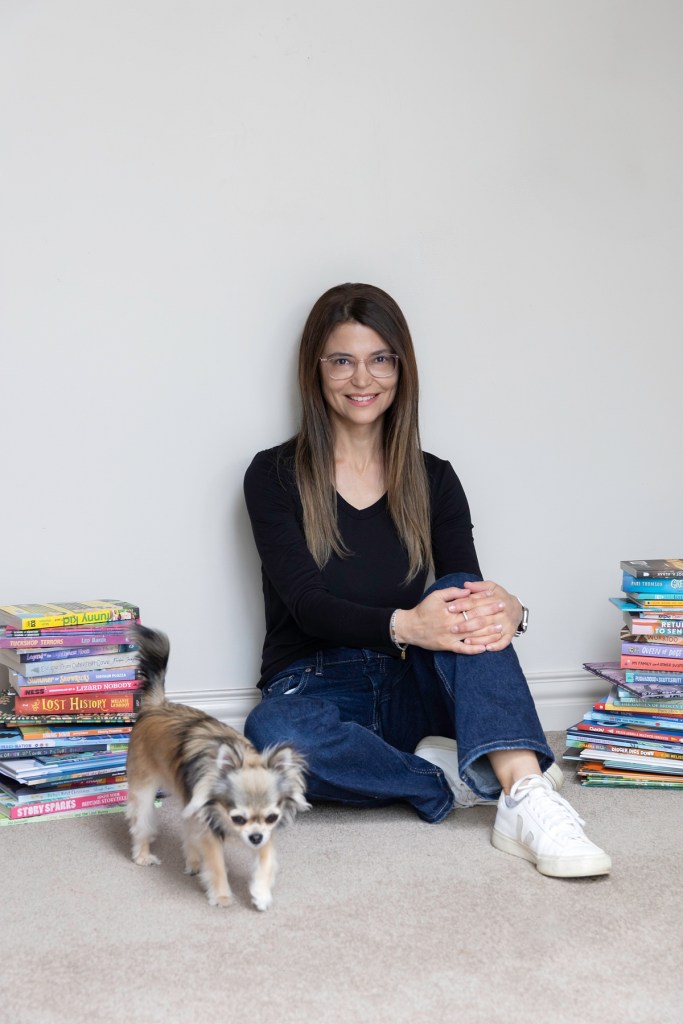
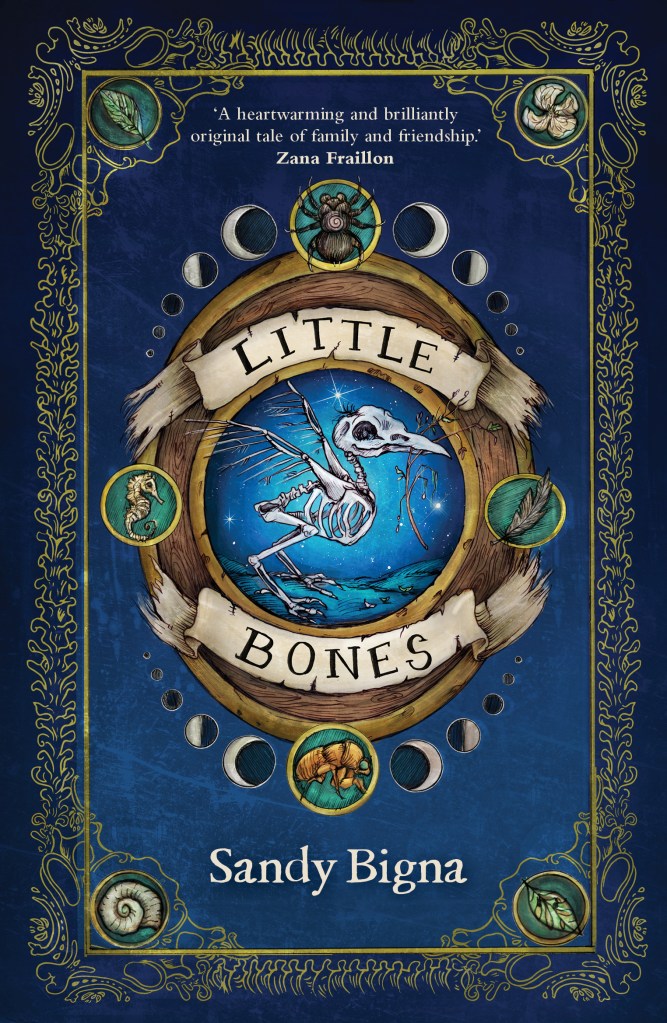
Sandy Bigna is a reader, a book reviewer and a writer. Today we’re excited to be chatting to her about her debut book – a verse novel called Little Bones.
The publisher provided Alphabet Soup with a reading copy of Little Bones.
From the publisher:
Since the accident, eleven-year-old Bones spends her time drawing animal skeletons and scavenging for dead things to add to her collection. One night, Bones wishes on a full moon and unintentionally resurrects the skeleton of a baby bird. Bird wants to return to his natural (dead) state, so Bones agrees to reverse the curse – not that she knows how. As she and Bird work out the secrets of the magic, Bones remembers what it’s like to have a friend. How can she let Bird go when she doesn’t want to say goodbye?
Sections of Little Bones begin with bones (or skeleton) related definitions. Do you collect bones yourself ? Or did you need to learn more about bones and skeletons as part of writing the book?
While I hadn’t started collecting bones myself before starting to write Little Bones, I’ve always had a fascination with them, and for people who do collect them. As bones are on the inside of us we don’t generally get to see them, which makes them seem mysterious and interesting. I remember once finding some tiny lizard bones in the driveway of the house where I grew up – and to me it was fascinating to have a glimpse of something that is usually hidden. I even took photos! It was this initial fascination that inspired the theme of bones and bone collecting. I needed to do some research to increase my knowledge about bones and skeletons – using both online sources and library books. I learnt many fun facts about bones. Did you know that birds sometimes eat animal bones to get calcium for making eggshells?
How did you come to write this story as a verse novel?
I’ve always loved reading verse novels. I love that they can tell a complete story, and convey such powerful emotions, in so few words. I love all the white space around the words, which helps you as the reader take a breather, and reflect on what is written – and on what is not written. I love the creative placement of words on the page and fun use of text font. I love reading verse novels so much that I always knew I wanted to try to write one of my own, and I’m so glad I did! It just felt like the right way to tell this story, and it was the most fun I’ve ever had writing a manuscript. I had the creative freedom to play with the joy of language.
Is the finished book very different from your first draft of the story? How did editing your work change the story?
Editing is such a valuable part of the journey to publication, and I enjoyed the editing process much more than I thought I would! The finished book changed quite a lot from the original draft that I submitted to the publisher. The first part of the story, and the ending, stayed mostly the same, but the middle part of the story received a much needed overhaul. The hardest part was cutting around 15,000 words from the manuscript! Thankfully my wonderful editor Felicity helped me with this part. We also decided to cut a couple of characters from the story (originally, there were going to be three animal skeleton characters, not just Bird). Once these characters were cut, we realised they were not essential to the plot. With each round of edits the plot was tightened, the magic elements made more consistent, the relationship between Bones and Bird strengthened, and the tension drawn out, to make a more satisfying conclusion. Each round of edits ultimately made the story so much stronger.
Do you have a tip for young writers who would like to try writing a verse novel?
The most important tip is to have fun and try new things! The best part about writing a verse novel is that you have the freedom to play with ideas and language and placement of words on the page. I would also suggest reading a lot – verse novels, as well as all types of fiction and non fiction, to generate ideas, and see how other authors have succeeded in your chosen genre. It’s not essential to read and write poetry to write a verse novel – but I found doing both quite helpful in inspiring me to experiment with free verse and lyrical language. You might even want to try reading song lyrics and listening to music – as in many ways, writing a verse novel is a bit like writing a song! Verse novels often have the same rhythm and energy as music.
Can you tell us a bit about what you’re working on next?
I’m excited about the next chapter of my writing journey. I have a two-book deal with UQP and would ideally like to continue to write for a middle grade audience, as this is where my passion lies, but I am always open to writing for different age groups or experimenting with other genres. I look forward to the next part of this writing journey and sharing more stories of hope, friendship and adventure with you all!
Little Bones is out now! Look for it at your favourite bookshop or local library.
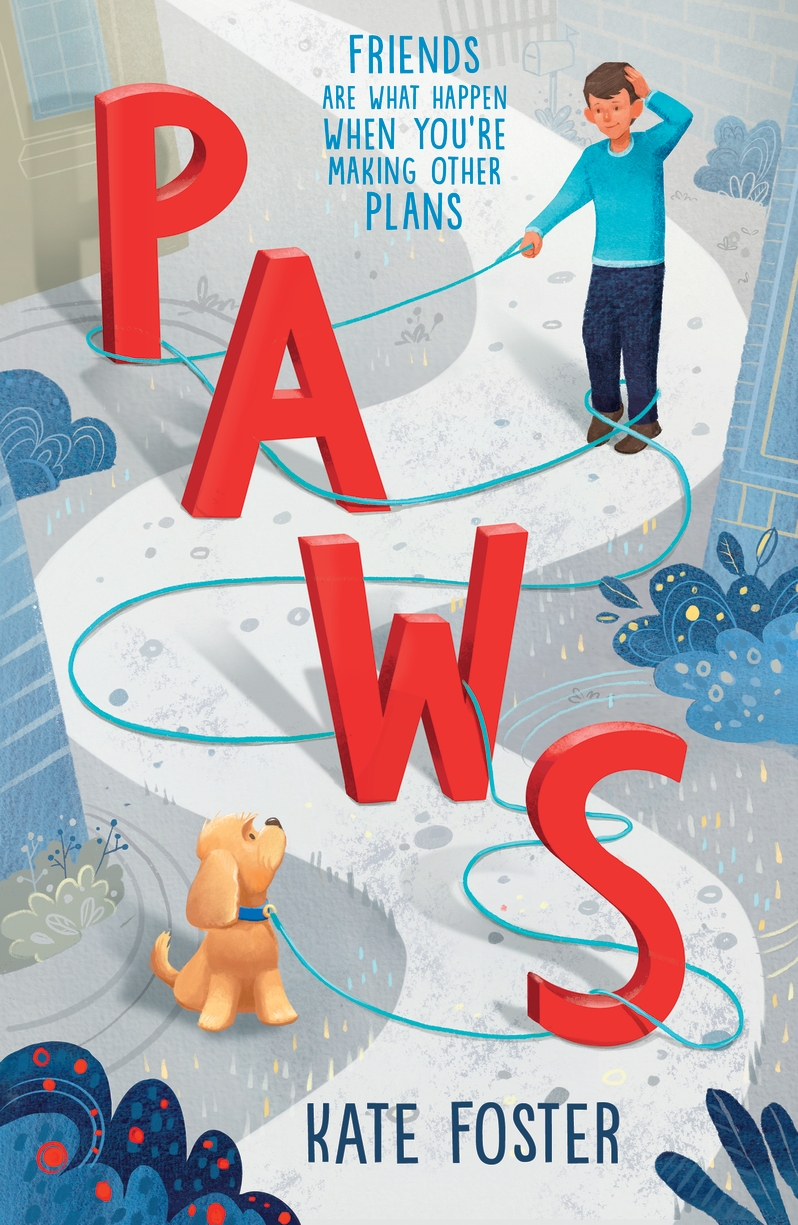
Paws by Kate Foster, Walker Books Australia, ISBN 9781760652661
Olivia’s review of this book was longlisted in the 2024 Young Reviewers’ Competition.
What do you do when you’re trying to make cool friends? This is what 11-year-old autistic Alex thought about a lot. Alex knows the signs of emotions, so there is no fooling this young boy. This boy is sensitive to sound so reading this touching book just might make your friendship better. Sometimes we don’t know how people react to different situations, so this book certainly displays different perspectives making it even more intriguing.
This heart-warming story is set in Alex’s neighbourhood. At home Kevin, Alex’s cockapoo, is his best friend, and their bond can not be broken but making a friend with similar styles is his focus, especially with high school next year. He has an older brother Ned, Mum, and Dad and together they live in a quiet street close to school. When Alex is driving home one day from school and spies an advertisement on the coolest dog competition PAWS, he peers back and sees that it is coming to his town. He decides to enter Kevin in the competition and trains him up for days, but on the day with his older brother holding up time he ends up in a twist on what to do, this problem left me on the edge of my seat the whole time.
Discover all kinds of friendship as you dive into the world of kindness and balance in companionship as Alex (and Kevin) also discovers that you can be yourself to make cool friends, cool friends can be defined differently and the best way to find your cool friend is by being your own, unique self.
This story left me with a message – friends come when you least expect, and things happen the way they are meant to. Friends who are meant for you might just need a little finding. This touching storyline might just make rain run rivers into your eyes as you experience what true friendship is. Paws shows that friendship isn’t one universal fit, and you do not have to be the best to make cool friends. This book is packed with detail from Kate Foster’s own perspective as an autistic author, and it is great to see other situations in another point of view
I read this book for book club, and it is an easy, nice read that can be read by 8-year-olds to any age group as all parents in the book club loved it. Ultimately Paws is not just a read it is an experience, and it leaves a mark of the heart-warming storyline long after the final page is turned. I rate this book 5 stars and I could gladly read it over and over again without getting bored.
If you are looking for a story on real friendship this is the one.
Olivia’sreview was longlisted in the Primary category of Alphabet Soup’s 2024 Young Reviewers’ Competition. The competition is now closed, but we publish book reviews by young writers all year round. To send us YOUR book review, read our submission guidelines. Happy reading!
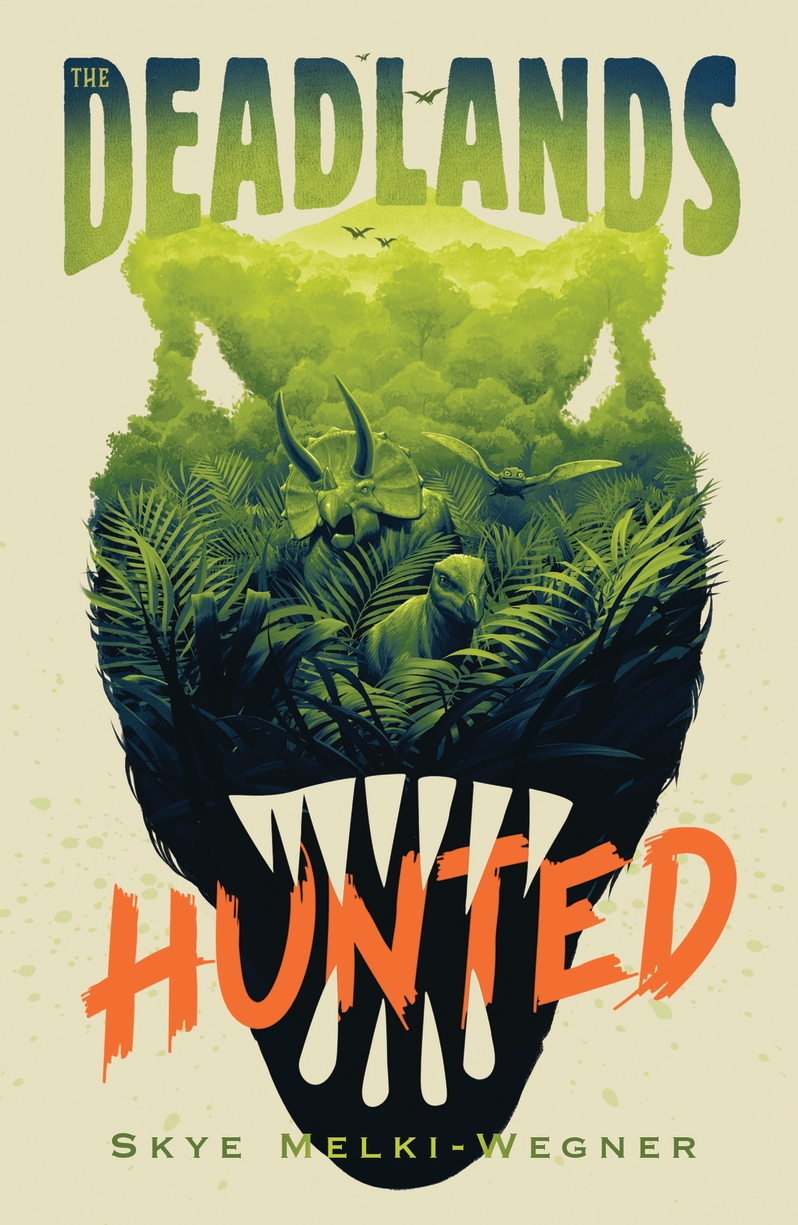
The Deadlands: Hunted by Skye Melki-Wegner, Walker Books, ISBN 9781529516241
Nick’sreview of this book was longlisted in the 2024 Young Reviewers’ Competition.
The Deadlands: Hunted is an action-packed book about two dinosaur kingdoms at war. The main character, Eleri, a dinosaur, joins a group of exiles after being banished to the Deadlands after an act of treachery to his kingdom. In the Deadlands, Eleri and the other exiles discover something that changes everything, but knowing this secret puts them in grave danger. Will Eleri and the exiles survive or be slaughtered trying?
When I read The Deadlands I was always on the edge of my seat wondering what would happen next. However, at the same time you get to see Eleri and the exiles build up heartfelt relationships that help them overcome challenges and be a stronger herd.
I would recommend this book for readers between 10-year-olds to adults because it is too complex for younger children.
My dad and I loved The Deadlands: Hunted and were disappointed there’s only three in the series. Five stars.
Nick’s review was longlisted in the Primary category of Alphabet Soup’s 2024 Young Reviewers’ Competition. The competition is now closed, but we publish book reviews by young writers all year round. To send us YOUR book review, read our submission guidelines. Happy reading!
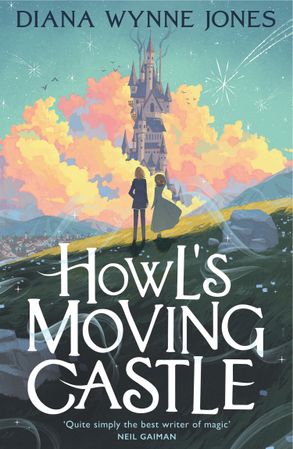
Howl’s Moving Castle by Diana Wynne Jones, HarperCollins GB, ISBN 9780007299263
Dexter’sreview of this book was longlisted in the 2024 Young Reviewers’ Competition.
If you’re a fan of fantasy and suspense, this is the book for you. Howl’s Moving Castle is a 302-page novel about a girl called Sophie who lived a quiet life, when she gets cursed by the witch of the waste. She can’t tell anyone about her curse, so she goes to visit a dangerous man called Howl who is the only person who might be able to break the curse. The problem is Howl lives in a giant walking castle with no signs on how to get in and is known for being a very bad criminal.
The book has trickery, comedy, adventure and loveable characters. The main characters are Howl, a funny wizard who can sometimes turn into a birdlike creature. Then there’s the main character Sophie, who was a hat maker and now her main priority is to break a curse. Sophie also has a lot of character development through the book. Then there’s one more main character – Calcifer, a fire spirit who’s funny, sassy and is Howl’s pet, who powers the castle and is always trying to make bargains. He also has a very emotional and happy ending. Also, there’s one side character that is quite important, his name is Michael. He’s Howl’s apprentice wizard, and he appears lots throughout the book.
I would say Howl’s Moving Castle is a mature book for ages 10 and above. It’s beloved by many and is still my favourite book. I read it all in one day and would rate it 5 out of 5 stars. It has two sequels and even has a fully animated movie produced by the wonderful Studio Ghibli.
Dexter’s review was longlisted in the Primary category of Alphabet Soup’s 2024 Young Reviewers’ Competition. The competition is now closed, but we publish book reviews by young writers all year round. To send us YOUR book review, read our submission guidelines. Happy reading!
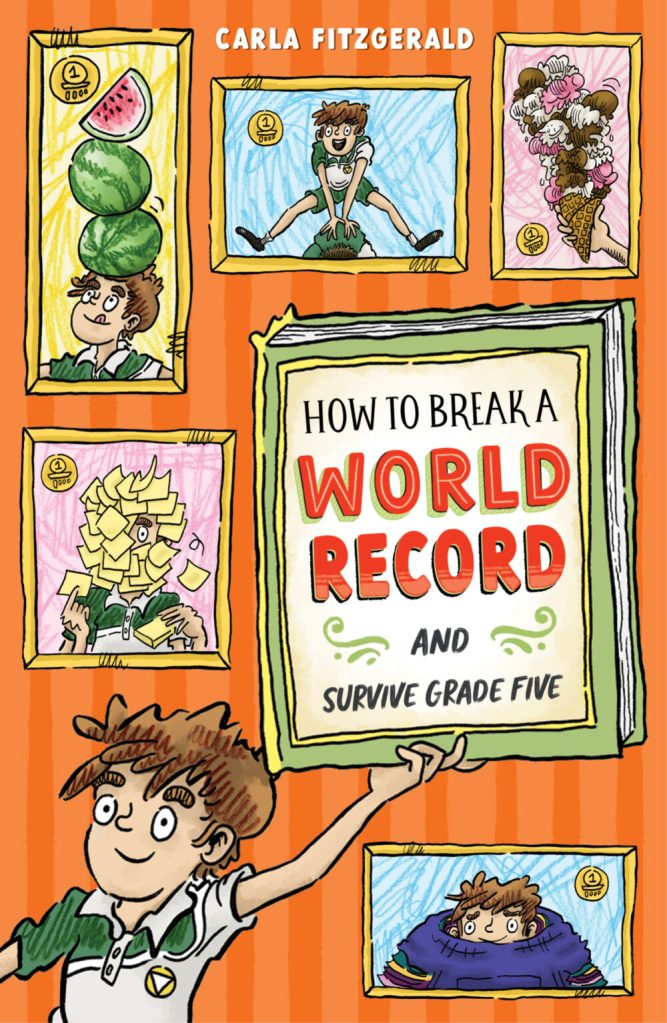
Carla Fitzgerald is a children’s author, a recovered lawyer and mum of three. Carla has written three humorous books for children – one picture book and two novels. Despite numerous attempts, she has not yet broken a world record. Today we’re pleased to be chatting to Carla about her latest book: How to Break a World Record and Survive Grade Five.
The publisher provided Alphabet Soup with a reader copy ofHow to Break a World Record and Survive Grade Five.
From the publisher:
Sam is a kind and thoughtful eleven-year-old, but he thinks he’s not that great at anything. His sister, Ava, is a soccer star and his best friend, Vihaan, is an award-winning artist. The one thing Sam is good at is knowing all about the extraordinary feats in the Big Book of Records. When Sam is set a class project about a moment he’s proud of, he can’t think of anything and takes inspiration from his favourite book. He knows he’ll be proud of himself if he can break a world record! But breaking a world record isn’t easy …
This is the second book in your ‘Survive Grade Five’ series. Why did you choose Grade Five as the focus for the series?
I love writing characters who are in Grade Five because I find kids of this age are funny, smart and interesting. And importantly, they’re often starting to think more about the world and their place in it, which is perfect for storytelling.
Each chapter shares a world record from the Big Book of Records. Do you have a personal favourite World Record?
My favourite record is ‘Most scoops on an ice-cream cone’ (125 scoops). You may notice that this record forms an important part of the novel! I actually tried to make a giant ice-cream as ‘research’ but I only made it to about 15 scoops. It was fun eating it though.
If you were visiting Sam’s class and had to nominate something you are proud of, what would you say?
That is such a good question – it’s really got me thinking! I am proud that I pushed myself to finish my first manuscript and now I have a career that I love. I’m also proud of my spaghetti bolognese, which is the only thing all my kids will eat.
Could you share one tip for young writers who would like to write realistic fiction?
Include small details from life in your stories – this will make your story feel real to the reader. Does your Dad fidget with his ear while watching TV? Give that characteristic to one of your characters! Does your local corner shop smell like feet? Perhaps a setting in your story could smell that way.
Can you tell us a bit about what you’re working on next?
I’m writing another ‘survive grade five’ at the moment. We haven’t got a title but here is a big hint: ‘How to win a <insert major sporting event> and Survive Grade Five.’
How to Break a World Record and Survive Grade Five is out now! Ask for it at your favourite bookshop or local library.
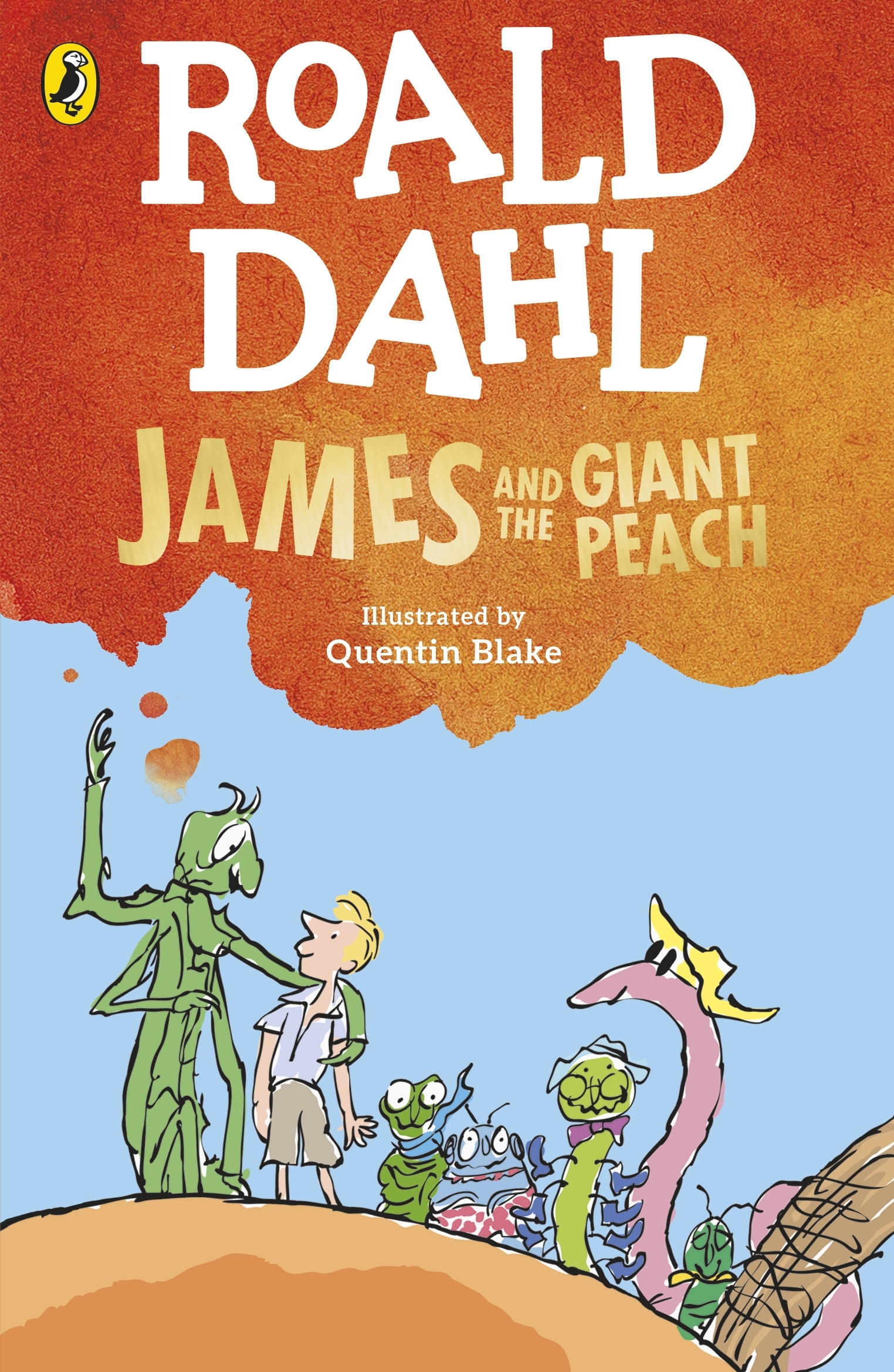
James and the Giant Peach by Roald Dahl, illustrated by Quentin Blake, Puffin, ISBN 9780241558331
Lachlan’s review of James and the Giant Peach was the winner in the 2024 Young Book Reviewers’ Competition.
The story is called James and the Giant Peach. It was illustrated by Quentin Blake. He has illustrated more than three hundred books, and he was awarded the Kate Greenaway medal. He was also one of the first children classics illustrators. The writer is Roald Dahl. He was a spy, an ace fighter pilot, a chocolate historian and a medical inventor.
In this story, James had a happy life until his parents died, and he had to live with his aunts who were both lazy. One day, an old man gave James some magic and told him to put it inside a glass of water and drink it in one gulp. On the way, James tripped over and spilt the magic on the ground. The magic went into insects and the peach tree.
The two aunts, Spiker and Sponge, came out shouting there was a enormous peach on the tree. Spiker asked people, “Who wants the peach?”.
At this same time, James found a tunnel in the peach and discovered a big room. In this room, Grasshopper introduced the insects that lived there. James and the insects had a big journey to the sea and James tied string to seagulls and they flew to America.
During the journey they solved problems. Spider said that James was so smart that she wanted to be smart like him.
My favourite part was when James lost his first chance of happiness but did not give up. I felt proud because he used to be miserable but now, he is happy. They also used good team work to solve their problems.
I highly recommend this book to children of all ages because they can learn how to be resilient. If they miss a chance, they can wait for another – and that includes being patient because sometimes things can turn out better than you think. This book also can teach children the importance of teamwork.
Lachlan’s review was the winner of the Junior category in Alphabet Soup’s 2024 Young Reviewers’ Competition. The competition is now closed, but we post reviews by young reviewers all year round. To send us YOUR book review, read our submission guidelines. Happy reading!
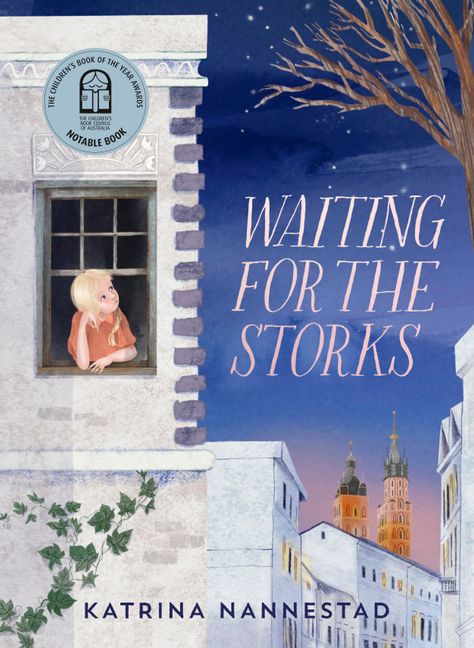
Waiting for the Storks by Katrina Nannestad, ABC Books, ISBN 9780733340888
Sahana’s review of this book was the winner in the 2024 Young Reviewers’ Competition.
I press my face against the bars of the truck and scream for my Mama and Tata. My heart slowly drops and tears slither down my cheeks. Desperation claws at me and I bang against the truck walls sobbing. I have lost Mama and Tata and I want to go home. I want to hear Tata’s laughter and see my Mama’s smile. I long to be laughing with them but I am stuck in a cold truck, with twenty or more little children like me.
Waiting for the Storks provides the perspective of a young Polish girl named Zofia. Poland lives under the Nazis’ rule and one gloomy night she is taken by the Nazis, kicking and screaming for her Mama and Tata. At this moment, the author, Katrina Nannestad, puts you in Zofia’s mind making you feel just as sad, angry and desperate as her.
She is taken into Himmler’s Lebensborn Program and adopted by a rich, loving, German family. It seems easier to forget her past. I am torn between what Zofia should do – is she a good, happy, German girl or a sad, defiant Polish Stork? We share Zofia’s happiness and we share her fear. We laugh when she laughs and cry when she cries.
The reason I love Waiting for the Storks is that I feel like I am with Zofia. Katrina Nannestad writes just enough so we get a glimpse of their emotion and are sucked in. The story becomes our journey and every friend or foe along the way is ours. When Zofia leaves her friends for Germany, a tear trickled down my cheek. I felt as if I had lost something within me.
I admire Zofia. She has been through so much and I think experiencing things with her forged a sort of bond between me and the character. It is so easy to relate to a character like Zofia and by the end of the book you are left with all the emotions from her journey.
Another thing that I liked about the book was that Katrina Nannestad was able to make this a more understandable and relatable book for young readers. World War ll is full of sadness and gore and other horrible things. I think we get a taste of that, just enough to make us understand, and not too much to overwhelm us.
At the end of the book you feel a sense of incompleteness. The tie I’ve forged with the story and Zofia makes it feel as if I have experienced it all. Her fear when they took her. Her sadness when she gave up. Her happiness amongst other children. Her desperation for her Mama and Tata. You want the story to keep going and that is the sign of any good writer. This book is perfect for readers 10–13 to have a glimpse into World War II, all in a beautiful, heartfelt story.
Sahana’s review was the winner in the Primary category of Alphabet Soup’s 2024 Young Reviewers’ Competition. The competition is now closed, but we publish book reviews by young writers all year round. To send us YOUR book review, read our submission guidelines. Happy reading!
Jack’s Island is a short novel by Norman Jorgenson featuring a boy named Jack. Along with his friends Banjo and Dafty, Jack finds himself causing mischief on their small island village off the coast of Australia during World War II. One day, whilst exploring near the cliffs, Jack and Banjo stumble across a Japanese helmet and a rifle. Could this discovery be the invasion they have been anticipating? With Pearl Harbor already bombed just north of their tight-knit island, they possibly face a dangerous situation.
The book is hard to put down due to its ability to capture the reader’s attention and hold onto it for the duration of the book. The characters from the Japanese soldier to trouble-maker Jack, adds an engaging storyline for the readers. Because of this, I confidently rate this book 4 stars out of 5.
I would recommend this book for children ages 8-12 as it is a fun read and suitable for their reading level.
The First Summer of Callie McGee by A.L. Tait, Scholastic Australia Pty Ltd, ISBN 9781760260163
Mia received a review copy of this book.
The First Summer Of Callie McGee is a fantastic book written by A.L Tait.
In this book Callie and her family friends go on a traditional trip to Sawyers Point.
Callie’s character is a kind of nerdy goody-two-shoes. She is quiet, warm and kindhearted. Callie seems to be one of those girls though who wants to be a popular cool kid and thinks that she needs to have a cool name “CJ”. Callie’s real name is really Calliope-Jean!
Callie is constantly asking herself, what would CJ do? Callie finds herself in a variety of different situations where she must find her inner CJ.
Callie’s older friend Sasha is everything Callie dreams to be … she is cool, popular and pretty. When Sasha is told to go to the beach and watch all her cousins and the kids, instead she goes to hang out with a boy, Ned. Sasha puts Callie in charge but when one of the kids gets caught in a rip, Callie must once again think – what would CJ do?
Mitch’s parents and Callie’s parents are good friends, so Callie must deal with him and his cousin, Owen. The three of them find out there have been some robberies and a possible ghost sighting at Sawyers Point. Again, Callie had to find her inner CJ. Sasha goes missing one night and Callie, Mitch and Owen go out to find her.
Callie comes up against several situations where she must be brave or grown up and has to find her inner CJ. This book is definitely about the challenges of change and of growing up.
I recommend The First Summer of Callie McGee by A.L. Tait for ages 10+ because I think some of the concepts younger children wouldn’t understand.
I think this book is an amazing book that shows anyone can do or be anything.
The First Summer of Callie McGee is out now! Ask for it at your favourite bookstore or local library, or order online.




 alphabetsoup.net.au