Posted in authors, illustrator, interviews

James Foley on Bigfoot vs Yeti

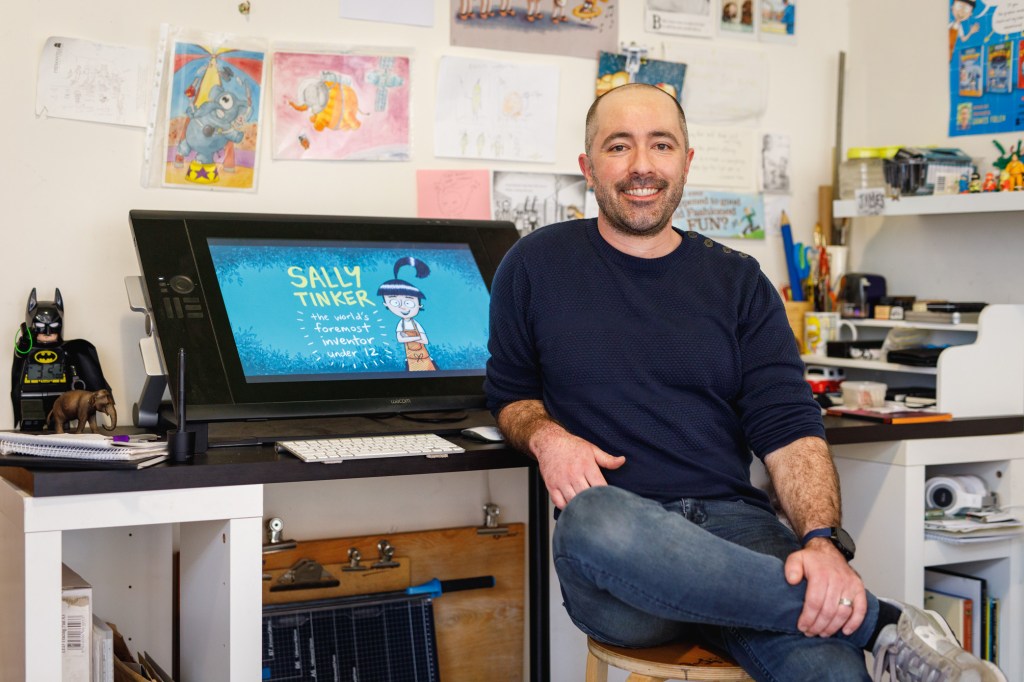
James Foley makes picture books, novels and graphic novels for kids. He creates with pen and ink, pencil, charcoal, and watercolour and also uses digital tools for his work. Today we’re excited to be chatting with James about his latest picture book: Bigfoot vs Yeti.

The publisher provided Alphabet Soup with a reading copy of Bigfoot vs Yeti.

From the publisher:


At first I tried real linocut, which is a printmaking technique you basically take a piece of lino (flat rubbery plastic) and you carve little bits out of it to make the picture. Then you add ink to it, and then you press it on paper. You’re basically making a giant stamp! But I quickly realised it would take a lot more time than I had, and I would need a lot of supplies (and practice) to do it properly. I also wouldn’t have the luxury of an undo key if things went wrong; I would just have to start a picture again. 

So rather than doing proper linocut, I used the same techniques digitally: I opened Procreate on my Ipad, downloaded some ‘linocut’ brushes that some much cleverer people had designed, and I created my images that way: digitally ‘carving’ out the images bit by bit. 

It was still a challenge, because linocut is the opposite way of thinking to normal drawing. If I want to draw a black line on white paper, then I just get a black pen and draw the line. But if I want to make a black line using linocut, then I need to start with black and add the white around the space where I want the black line to be. I’m carving out all the spaces around where I want the lines to go. It takes a bit of getting used to!

I didn’t set out to make a story about the ancient feud between Bigfoots and Yetis; that was a surprise! It all started with a character idea. Without giving away too much about the book, there’s a character at the very end that was the first thing I came up with. Then I worked backwards where would this character come from? And how could I make their backstory full of drama and conflict? That’s where the story came from. 

The rift wasn’t inspired by an actual place, but I found photos of forests and snowy mountains and lakes, sometimes all together particularly around the Pacific Northwest of North America. I’d love to visit in person one day. 

This picture book took a while to marinate just like Stellarphant did. Both stories are very important to me and I wanted them to be the best they could be. So I wrote many, many versions. Early versions of this didn’t work, so I left it for a long while, brainstormed lots of possibilities, and let the best ideas rise to the top. Then when it came to writing the story, I often read it aloud as I went. I always want to make sure that when the book is bought and taken home, that it’s going to be pleasing for the person who’s reading it as well as the child who’s listening. 

I’m working on four books this year a capybara sequel, a funny picture book about onomatopoeia, a junior fiction novel written by Nathan Luff, and [drum roll] a non-fiction follow-up to Stellarphant. I can’t wait to share these with everyone! The capybara sequel should be out later this year and the others will be 2026-ish. 

Also out this year are the colour editions of Dungzilla (April) and Chickensaurus (June). Exciting times!

Bigfoot vs Yeti is out now! Ask for it at your favourite bookshop or local library.


How James created the digital linocut for the illustrations [YouTube]

Spot a Bigfoot in the wild with James Foley [YouTube]

Take a sneak peek inside the book

Download the Teachers’ Notes for Bigfoot vs Yeti
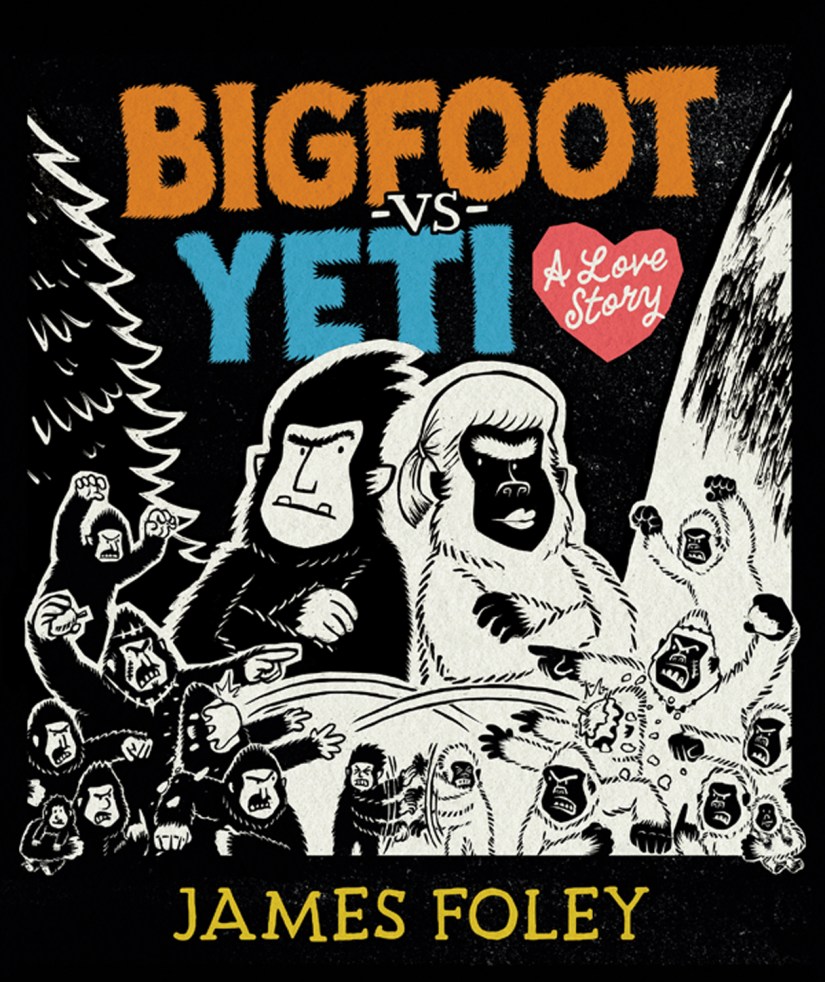
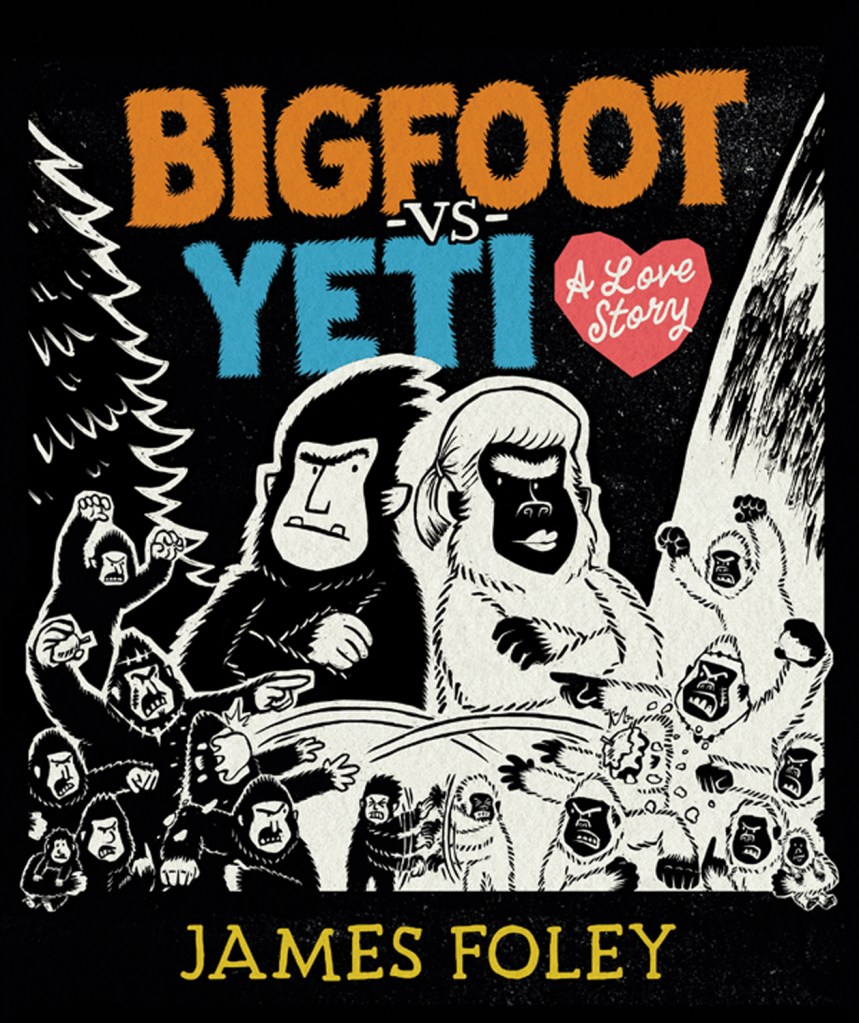
The cover of a picture book: Bigfoot vs Yeti by James Foley
Posted in authors, illustrator, teachers' resources

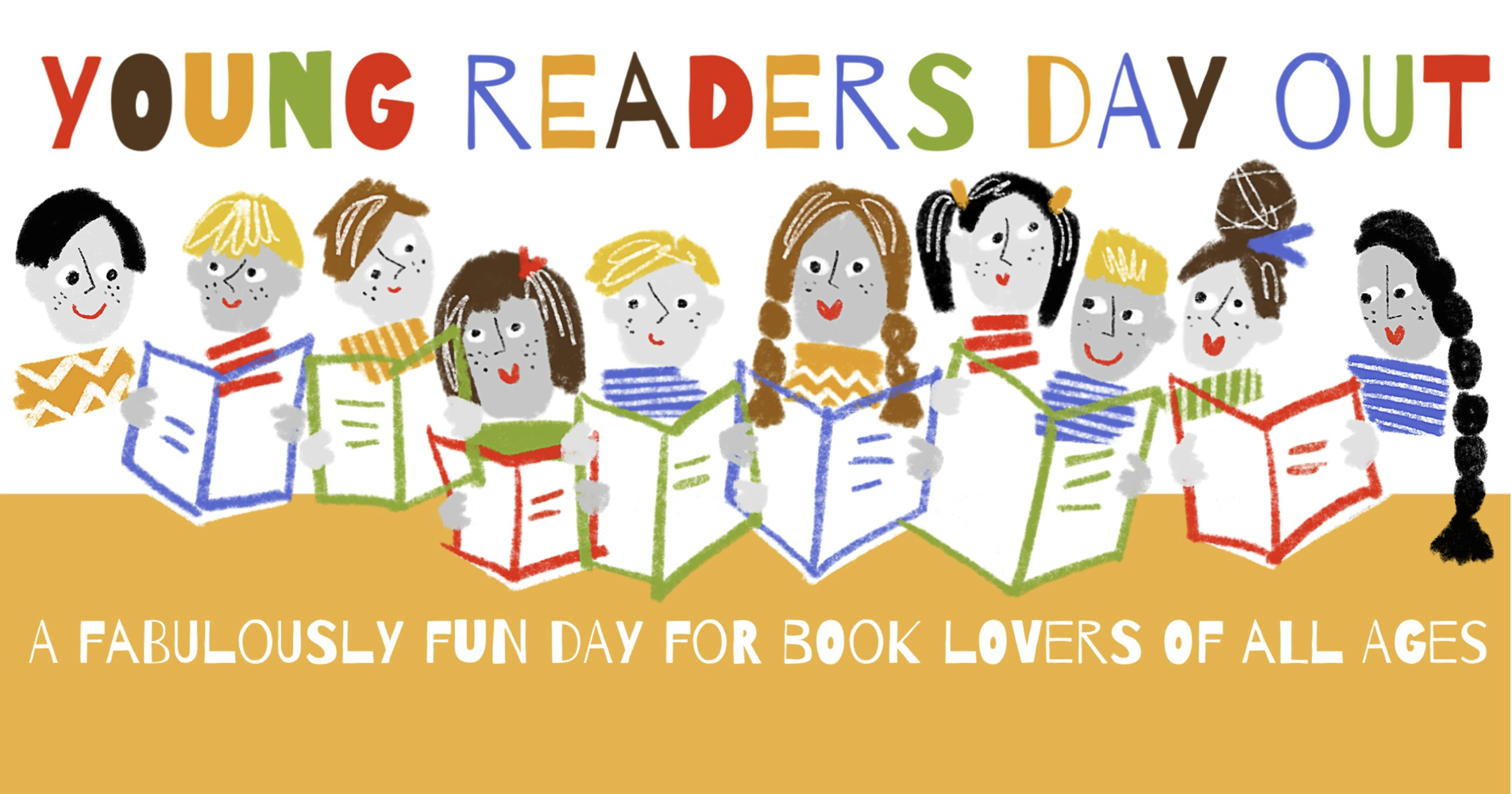
2024 Young Readers Day Out at State Library of WA!

A flyer for the Event

Meet some of WA’s most well-known children’s book authors and illustrators for a morning packed with activities, including:
• Helping illustrators compete in an interactive illustration duel
• Learning how to draw your favourite book characters
• Peeking behind-the-scenes to find out how these stories come to life
• Meeting and chatting with twelve children’s book authors and illustrators.

This event is suitable for book-lovers of all ages, but perfect for ages 0-12. All children must be accompanied by an adult.

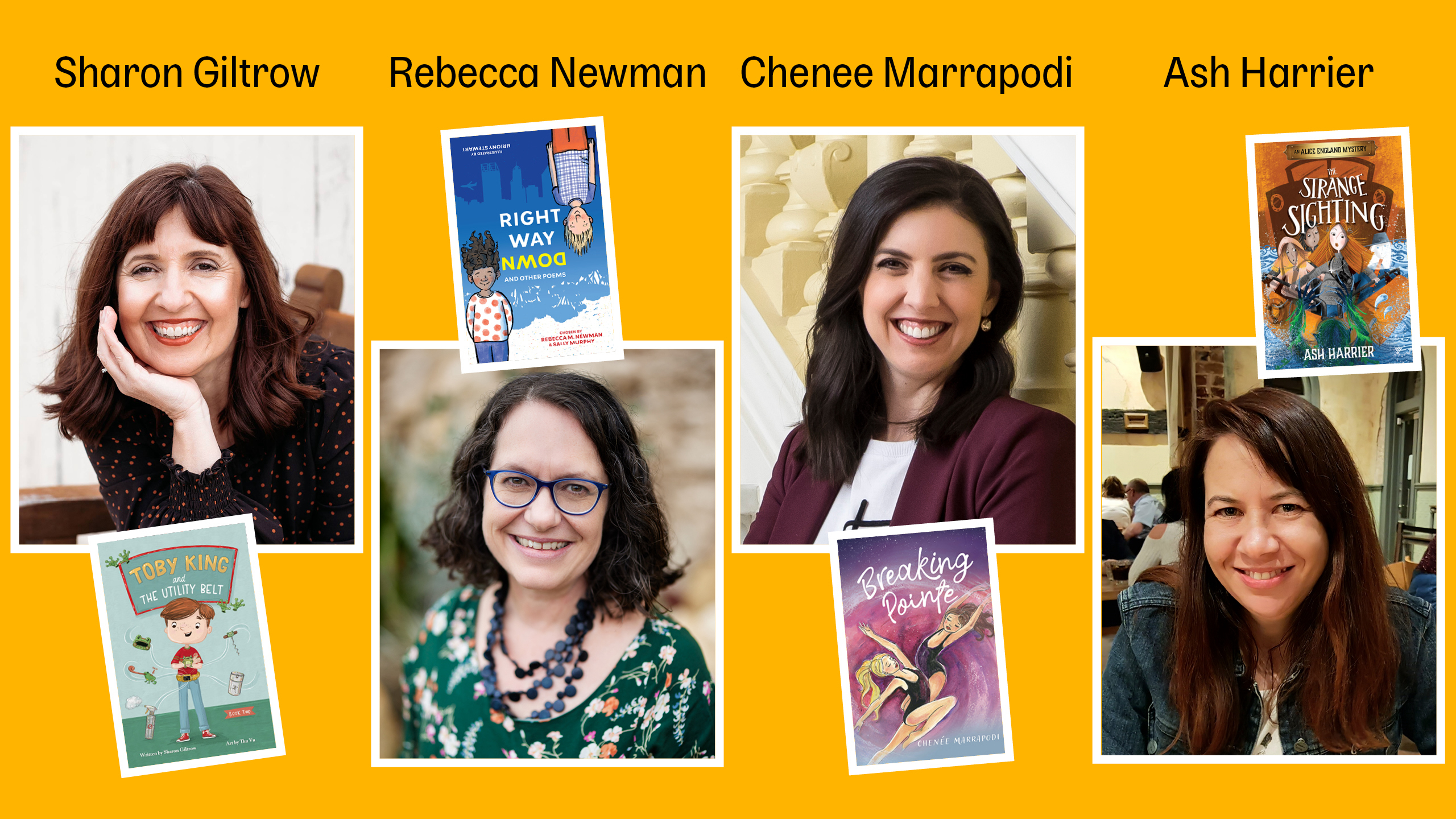
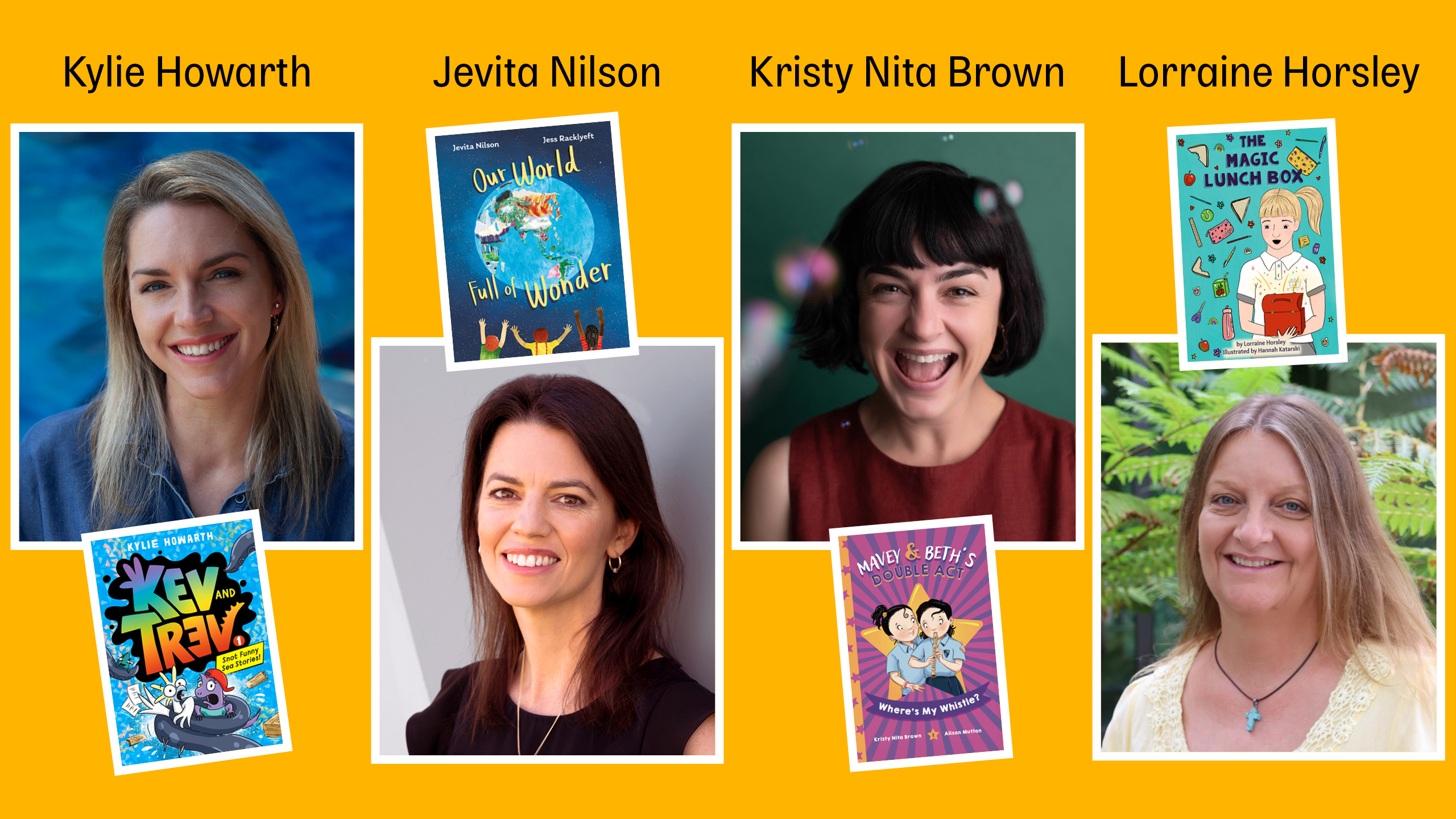
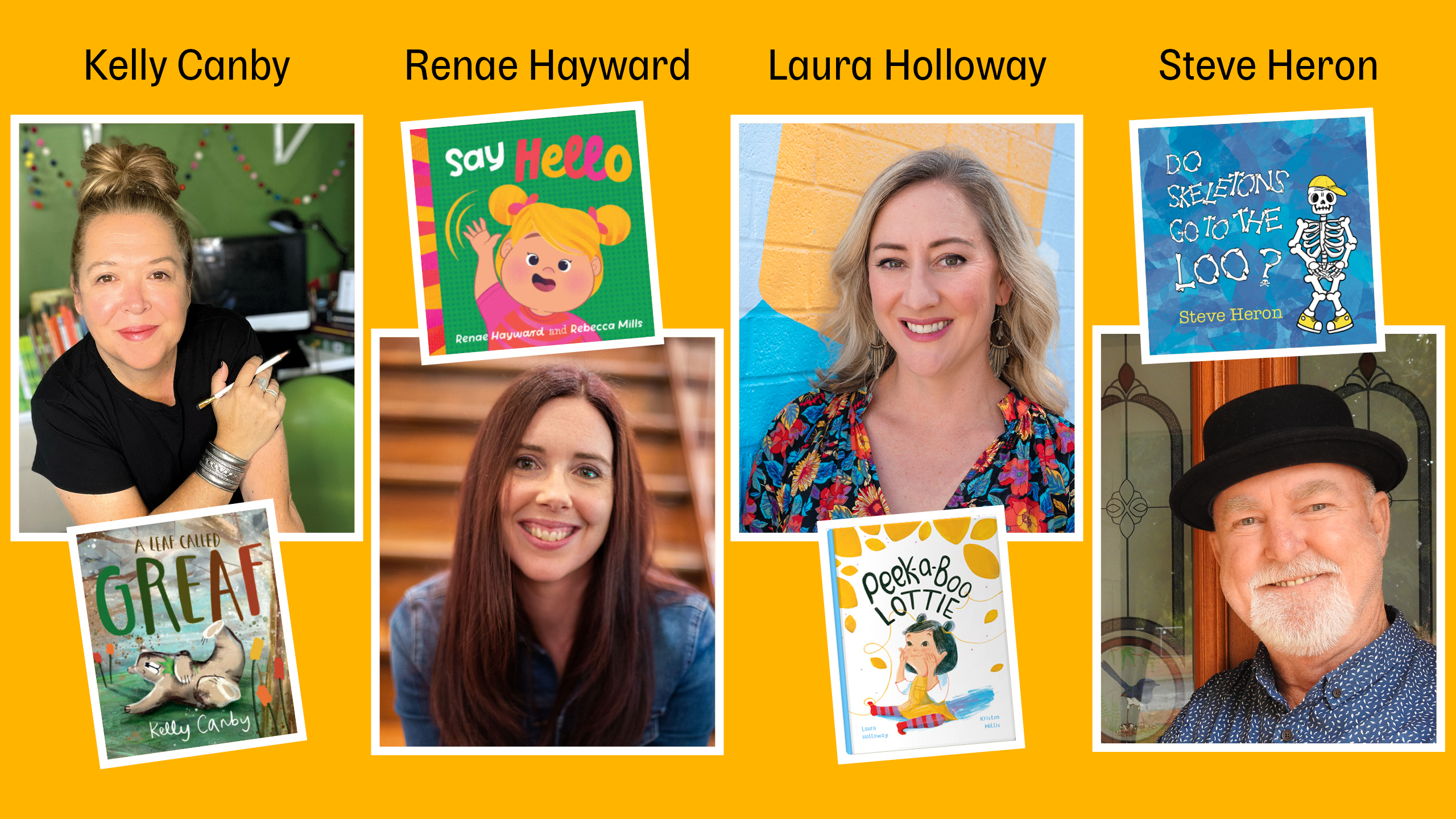
Meet these amazing book creators:
Rebecca M. Newman
Kelly Canby
Sharon Giltrow
Ash Harrier
Steve Heron
Laura Holloway
Lorraine Horsley
Kylie Howarth
Chenée Marrapodi
Jevita Nilson
Kristy Nita Brown
Renae Hayward

Cost: $20 + booking fee

Each ticket includes:
• Entry for up to 6 people
• 1 x $20 voucher at the Boffins Books pop-up shop on the day
• Gift bag with bookmarks, colouring-in sheets and more

Date:
Sunday, 17 November 2024, 10:30 AM – 12:30 PM

Venue:
State Library of WA @statelibrarywa

Bookings essential via Trybooking.

A poster showing four of the presenters
Posted in Book reviews by kids

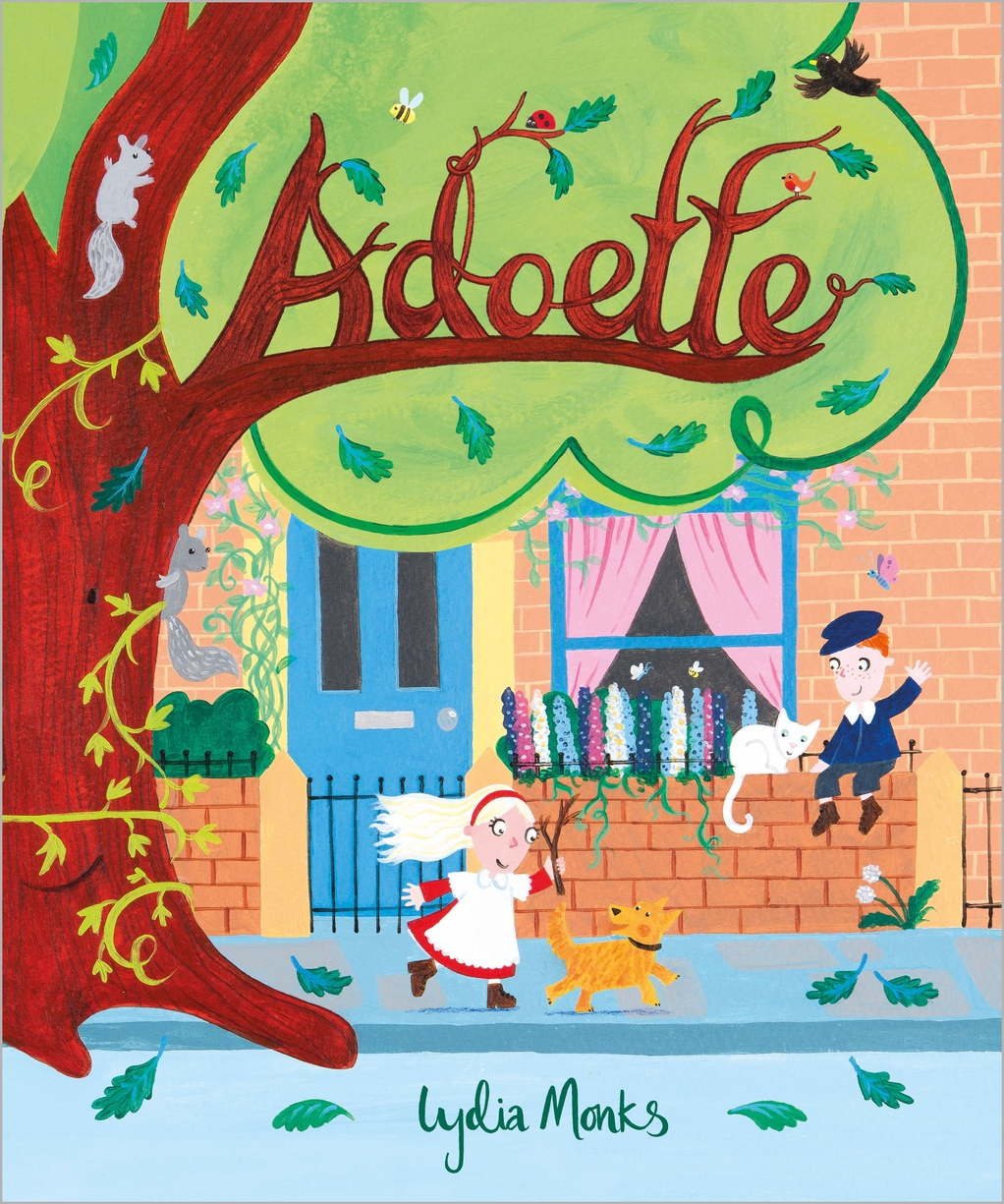
Book review: Adoette

Adoette by Lydia Monks

I love this book because it is about the past and present. I really like the last page because it is so colourful and full of nature! 

Adoette means ‘big tree’ and this book has taught me how hard it is to fight for something you love. I felt calm and peaceful when I was reading this book. I actually liked the sad part because it made the people come together. I would recommend this book to other kids because it’s fun!  


Jonathan’s review was longlisted in the Junior category of Alphabet Soup’s 2024 Young Reviewers’ Competition. The competition is now closed, but we publish book reviews by young writers all year round. To send us YOUR book review, read our submission guidelines. Happy reading!

Posted in Book reviews by kids

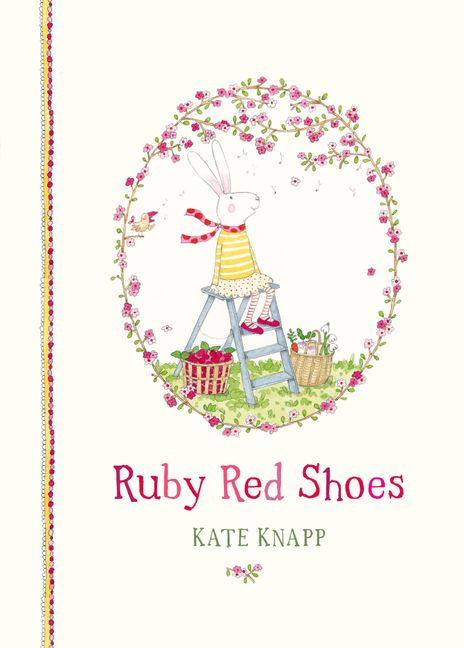
Book review: Ruby Red Shoes

Ruby Red Shoes by Kate Knapp

Ruby Red Shoes by Kate Knapp is a heartwarming story about a hare called Ruby. She lives in a beautiful caravan with her kind grandmother, Babushka Galina Galushka. They spend their days in their beautiful garden, growing fruits and vegetables and lots of flowers. Ruby loves singing to the plants and birds in her garden. 

I enjoyed reading this book because the pictures and words makes my heart warm. I really like the look of Ruby’s caravan. The pictures are very detailed and colourful and I love them.

I would recommend reading Ruby Red Shoes to anyone who enjoys a gentle and calming book.

I give this book 10 out of 10.


Winnie’s review was longlisted in the Junior category of Alphabet Soup’s 2024 Young Reviewers’ Competition. The competition is now closed, but we publish book reviews by young writers all year round. To send us YOUR book review, read our submission guidelines. Happy reading!

Posted in authors, interviews

Cheryl Leavy on Yanga Mother

Cheryl Leavy is from the Kooma and Nguri Nations in western and central Queensland. She is an award-winning poet and writer who loves to tell stories that celebrate First Nations culture, history and Country. We’re thrilled to be chatting to Cheryl about her first picture book – Yanga Mother – illustrated by Christopher Bassi.

The publisher provided Alphabet Soup with a copy of Yanga Mother.

From the publisher:

Yanga Mother is a poetic celebration of First Nations languages. This powerful bilingual story honours connection to Country and the unbreakable bonds of never-ending motherly love. From award-winning writer Cheryl Leavy comes this beautiful picture book in Kooma and English about a grey kangaroo and her joey, and the unbreakable bonds of family.


On the surface, Yanga is a story about the love between Mother and child. It helps us to reflect on how our Mother is always with us in our hearts, even when she seems far away. It’s something a lot of readers will be able to relate to and lays the groundwork for empathy for the Stolen Generations.

Once the story was written, I thought carefully about how to illustrate it. I chose dhugundu, the grey kangaroo, because they are wonderful mothers and siblings. You can read more about how they love and protect each other in the notes for older readers.

I got started on the book itself by working out what words would go on each page (the pagination) and made notes for the illustrations for each of the phrases that make up the story. I set it out in a table, using a process I made up as I was going along. I wasn’t really sure how to make a book and what people in the publishing industry did. I just I wanted to be able to set out my ideas clearly and simply, and to make sure the visual storytelling reflected Kooma cultural values.

I spent a lot of time considering how I wanted the book to look. I studied many of my favourite children’s books, looking at the illustrations carefully to understand what made each of them so wonderful. One of those books was Aboriginal Tales, published in 1972 by Golden Press, which my mother had recently given me. The illustrations have lots of rich yellows and this made me wonder which colours are best to use in children’s books. I searched the internet and found a piece of research that said yellow was a colour that children prefer in children’s books.

Artist Christopher Bassi was then the obvious choice for the illustrator. He is a famous artist who uses yellow as the main colour in his work. I have loved Chris’s artwork for a long time and we have developed a close friendship. I was so happy when he agreed to illustrate and design Yanga Mother

An internal spread from Yanga Mother, including words in Kooma on the left and the English translation on the right
From Yanga Mother by Cheryl Leavy & Christopher Bassi (UQP)

We worked together very closely, talking through my suggested illustrations and exploring Chris’s vision for the book. We spent many happy hours together in Chris’s studio in West End, talking about each illustration, pouring over children’s books we each loved, thinking deeply about how we could honour the story and bringing our very best efforts to each illustration. We are both very proud of the final product and are looking forward to a new project together.

Most of the translation is almost exact. There are some examples where there is a tricky translation, where I have generally followed the patterns provided by the Kooma language. Take for example the concept of everywhen, which is an English word used to describe part of the Aboriginal philosophy of time. I wanted to translate this term from English to Kooma, but there is not a Kooma word recorded anywhere. I already know that “murra murra” means many hands and “gurragurra” means everything. So wandhandja-wandhandja would be everywhen.

Because I am a poet, I sometimes like to use the Kooma language more creatively. The term “yilungga yabangga”, which means everywhere, is a good example. It literally translates as here and there. It is a more playful way of saying everywhere and suits both the genre of a picture book and Yanga’s story. I settled on this choice when I was working with a linguist (language expert) who, like an editor, reviewed drafts towards the end of the project.

Another example of a translation that is not exact is “ngali wadjanbangali”. It literally means we two are going, or on the go. The closest translation that fits with both what I wanted to say and a clear English meaning is, “we two are always together.”

When my grandmother grew up on the Barambah Mission, she was punished if she spoke in Kooma. Like many Aboriginal people, this meant she spoke it less and less. I grew up speaking a little Kooma and other Aboriginal language words, but was not able to speak in sentences. There are not many learning resources for the Kooma language so learning it has been very difficult. I hope to be able to change that.

If you’d like to write poetry, the best way to start is by reading poetry, lots of it. Carry a pen and paper around with you always. Leave a note pad beside your bed. Write down ideas you have and read over them. This will get you thinking and writing down your thoughts. A poem often starts to take form in this way.

It is great to start a poem with inspiration that wells from within you, but you can also sit down with the intent of writing a poem. You can try using what writers call “prompts”. For example, you might sit down with the idea of writing a poem about your mum. This is often the kind of thing you will do if you join a writing club – read poetry, write down and share your ideas, write from prompts and then keep working on your poems until you feel they are finished. I have poems I have been working on for years!

The book I am working on right now is another picture book called, For You Country. It teaches the water cycle from a First Nations perspective. I am also working on a third children’s book titled Mugirri and Samson. It shares what a nyimanj (native ant) called Backbone learns about himself and his community after he comes across the first-ever yarraman (horse) on his Country.

Yanga Mother is out now! Ask for it at your favourite bookstore or local library.


AWESOME EXTRAS

* Take a peek inside the book

* Listen to Kooma Language pronunciations of words in Yanga Mother

* Download the Teachers’ Notes

* Going to the Byron Writers Festival? See Cheryl Leavy’s sessions on Sunday 11 August 2024

The cover of the picture book Yanga Mother.
Posted in authors, interviews, teachers' resources

Tracey Dembo on This Book is a Time Machine

Tracey Dembo writes books encouraging big questions, daring dreams and wild imaginations. She’s the author of two picture books: An A to Z of Dreaming Differently, illustrated by Lucia Masciullo, and This Book is a Time Machine, illustrated by Lucinda Gifford. Today we’re excited to chat to Tracey about This Book is a Time Machine!

From the publisher:

Guess what? You are holding a real-life time machine!
You don’t believe me?
I’ll show you!
For a start, I wrote this blurb in the PAST.
Yet, you are reading it in the PRESENT.
And when you finish reading the blurb, it will be the FUTURE …


I actually didn’t meet Lucinda while working on the illustrations – the first time I met Lucinda was before that, during the Maurice Saxby Mentorship Program in 2022 (an incredible creative development program for children’s creators that I was fortunate enough to be part of).  Lucinda was a former mentee of this program, and we were fortunate to have lunch with her and to hear all about her creative journey and processes as part of the mentorship.  I was completely in awe of her, and it was so inspiring to listen to her experiences.  So, you can imagine how excited I was to hear that she had agreed to do the illustrations for This Book Is a Time Machine!  Once she had signed up, we met early in the process, via a video call with Tash, our publisher.  This is not necessarily the conventional way authors and illustrators collaborate on a book, but because we are both actual characters in the book (which is unusual), it was really important to make sure we were all on the same page and to work closely together.  It was a great experience to be able to work like this with such an incredible illustrator and creative team, including Tash and Kristy Lund-White (the designer).

I would probably go backwards into the past and meet some of the incredible people who are no longer with us. Frida Kahlo and Albert Einstein would be two people who I would really love to meet.

The cover of a children's picture book: This Book is a Time Machine

Although this is one book I could get away with not dressing up for (as I could go as myself), I would definitely go as the mummy.* 

I just love the different facial expressions of this character throughout the book (I’m pretty sure one of those expressions is how I look before I’ve had my morning coffee).

*Check out the mummy in the letter E on the book’s cover.

Look, I would love to be able to say that Future Tracey would be working on an international best-seller, but I guess I would need to use my time machine to find out if this is true!

In the meantime, I am writing as much as I can in the hope that a future brilliant idea will come to me.

My tip would be to keep on going and persisting, even when your work does not turn out how you want it to.  Making mistakes and mess and improving your craft is all part of the process and so it is really important not to give up.

This Book is a Time Machine is out now! Ask for it at your favourite bookshop or local library, or order online.


Watch the book trailer [YouTube]

Make your own Future Teller [PDF]

Visit the author’s website for more about her and her books

Visit the illustrator’s website for more about her and her books

Posted in Book reviews by Aashi, Book reviews by kids

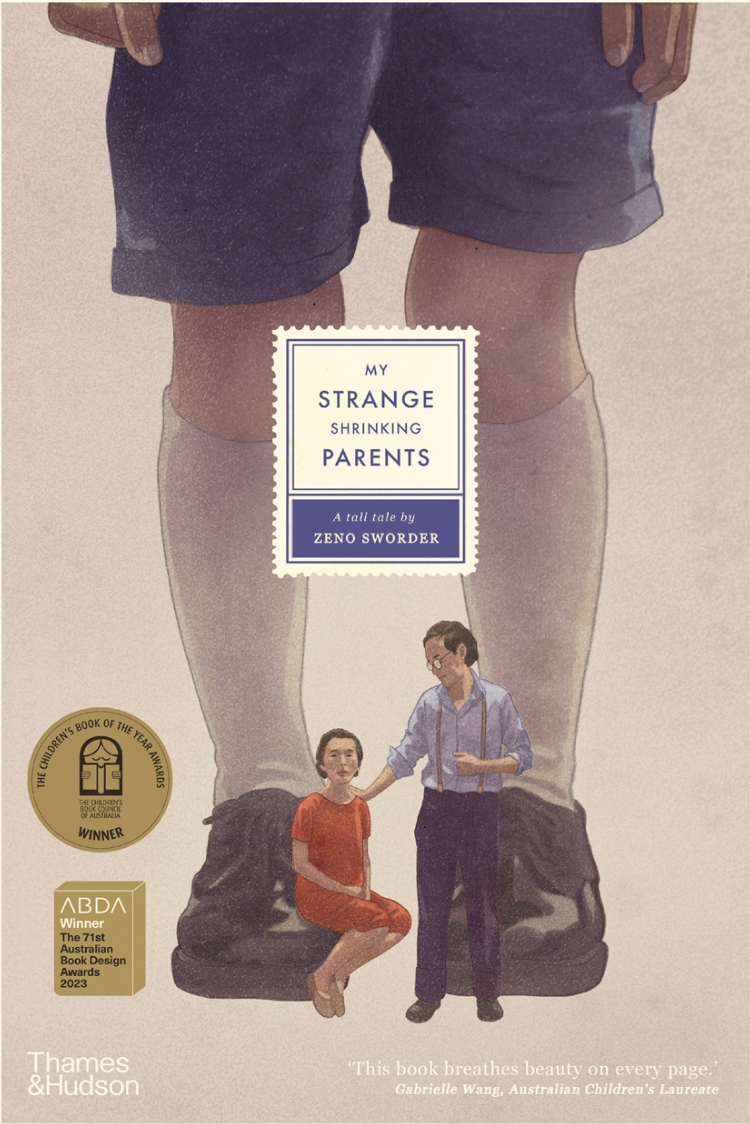
Book review: My Strange Shrinking Parents

The cover of a children's picture book: My Strange Shrinking Parents by Zeno Sworder.

My Strange Shrinking Parents is a great book by Zeno Sworder. His book Is a fantastic read with an important moral at the end.

The moral of this book is the circle of love. This means that when you are younger your parents give to you by giving you good food, education, and their time. But when they grow older you give to them by giving them food, medical care, and time they need. My Strange Shrinking Parents do that. When they want their child to have something, but they don’t have enough money, they give height. An example is when the giving parents wanted their child to go to school but then they didn’t have enough money the principal said, ‘Three inches of height for each year of school’. Then there were uniforms, school books, and many more items, so again they gave away height. Once the young boy grew into a handsome man and had his children, he was responsible for looking after his parents. He used cedar branches to carve a wooden house with little furniture. His parents lived happily in there watching their son grow.

I think My Strange Shrinking Parents is a book for ages 6 to 10. It teaches you morals and important lessons. I rate it 5 out of 5 stars! It engages you through the perspective of the parents and the boy. The book makes a spectacular read.

Read some sample pages from the book.


Aashi is a regular book reviewer for Alphabet Soup. You can read more of her book reviews here. To send us YOUR book review, read our submission guidelines. Happy reading!

Posted in authors, interviews

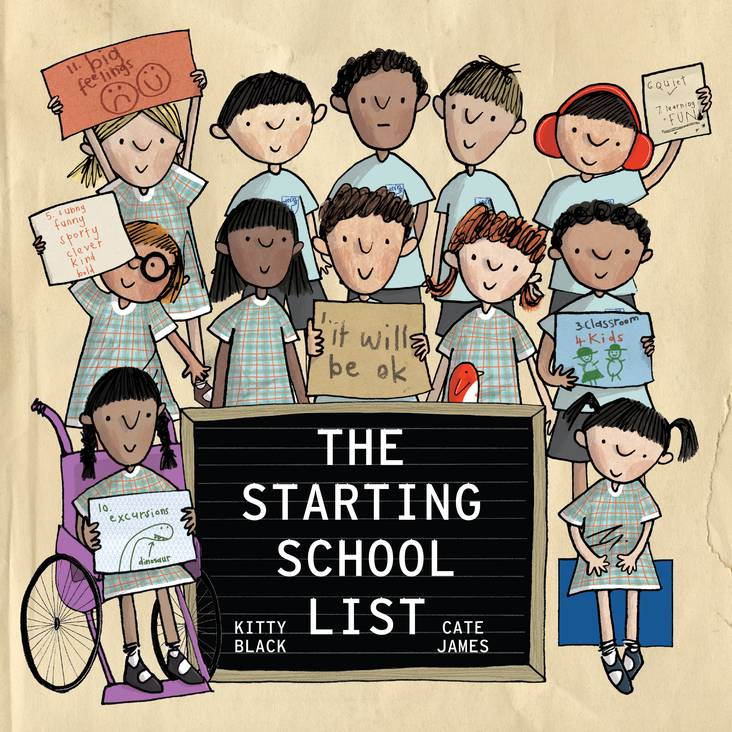
Kitty Black on The Starting School List

Kitty Black has a background in psychology and teaching and believes stories are at the heart of who we are. Kitty is the author of many picture books, two of which have been translated into German and Turkish! Today we’re chatting to Kitty about her latest picture book: The Starting School List, illustrated by Cate James.

The publisher provided Alphabet Soup with a reading copy of The Starting School List.

From the publisher:

It’s Little Brother’s first day at school tomorrow. Luckily, Big Brother knows what that feels like. And what’s more, he has a list of what to expect …

You’ll learn where the loos are, and all about bugs.
You’ll learn a sad friend could do with a hug.
You’ll learn the best spot for sand that is slushy.
You’ll learn that tomato makes sandwiches mushy.


I was actually asked if I wanted to write a picture book about starting school by my publisher, I’d never thought about it before, but I instantly loved the idea. We knew that we wanted the book to be full of good advice, and who’s better at telling younger kids what to do than their older siblings. In a loving, helpful way of course!

I wouldn’t call this my favourite memory, but it’s definitely the strongest memory I have of starting school, I got left behind on my first day. My older siblings told me to wait outside my classroom and they’d come get me on the way to the bus stop, but they forgot! A teacher drove me home, and just as we were pulling into the driveway my Mum was marching out of the house, car keys in hand, shouting at my siblings about how could they forget their little sister. They never forgot me again!

This is my first rhyming book, and I was honestly surprised that I wrote it in rhyme. I tried writing the book without rhyme over and over again, but it just didn’t feel right. There was something about the first words in the book ‘Hey little brother, are you asleep?’ that just WANTED to rhyme. So, I guess I don’t know when a story should rhyme or not, but the story knows.

Go for it! Writing should be fun, so if an idea makes you giggle, make it into a book!

I am working on ANOTHER rhyming picture book, which was inspired by my cheeky dog.

The Starting School List is out now! Ask for it at your favourite bookshop or local library.


The cover of a picture book The Starting School List

See some sample pages from the book at Booktopia’s site

Grown-ups can enter a competition to win a Starting School pack with QBD books, closing 31 January 2024.

Check out Kitty Black’s website for more about her and the books she’s writing.

Check out Cate James’s website for more about her and her illustrations.

Posted in authors, illustrator, interviews

Sean E Avery on Frank’s Red Hat

Sean E Avery is a teacher, sculptor, designer, and the author-illustrator of Harold and Grace, All Monkeys Love Bananas, and Happy as a Hog Out of Mud. Today we’re pleased to chat to him about his latest picture book, Frank’s Red Hat, which is out in Australia, Korea, France and Denmark!

From the publisher:

Frank is a penguin with ideas. Mostly terrible ones. That’s why his fellow penguins are nervous when he shows them his strange new creation. Something they’d never seen or expected to see in their cold and colourless Antarctic world — a red hat.


How did you come to set a book in Antarctica?

I wanted a black-and-white setting that I could slowly introduce colour to! Antartica fit the description perfectly. 

Do you know how to knit?

I do not. My boss (the principal at the school I work at) tried to teach me once but I gave up in a huff. I may have had a small tantrum and thrown my knitting needles over my head in frustration.

Can you tell us a bit about the illustration process for Frank’s Red Hat?

I use lots of different media – paint, crayons, pencils etc – to create textures that I scan into my computer. From there, I can cut the shapes I need from the scanned textures and arrange them to make, rocks, snow, water, seals, and penguins of course! 

Do you have a writing tip for kids who’d like to write their own books?

Write a little bit every day for a few months. It’s very hard (and not much fun) to try finish a whole book quickly in a week. If you work on something slowly, but consistently over a long period of time; the result will be better.

Can you tell us a bit about what you’re working on next?

I have three books coming out next year. Two of those are out next year. One is called Friendly Bee and Friends – a graphic novel about an annoyingly friendly bee who tries to make friends with every bug he meets. The other is a picture book called Mr Clownfish, Miss Anemone and The Hermit Crab which is an underwater adventure. 

Frank’s Red Hat is out now! Ask for it at your favourite bookshop or local library.


Image shows the cover of a picture book: Frank's Red Hat by Sean E Avery. The illustration is of a flock of penguins and only one penguin is wearing a tiny red beanie.

AWESOME EXTRAS

Take a look inside the book!

Visit Sean E Avery’s website for more about him and his books

Posted in authors, interviews

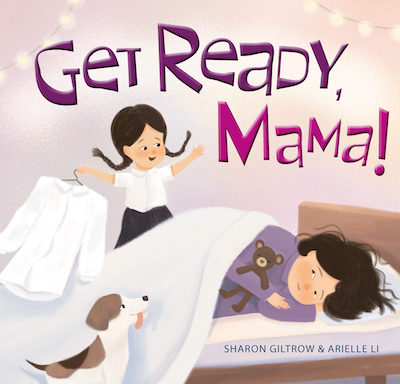
Sharon Giltrow on Get Ready, Mama!

Sharon Giltrow grew up in South Australia and now lives in Western Australia with her husband, two children, a tom cat and a miniature dog. She works in Early Childhood Education and Teacher Education Support, working with Young Children with Developmental Language Disorder. Her debut picture book was Bedtime, Daddy!, illustrated by Katrin Dreiling. Today we’re chatting to her about her new picture book, Get Ready, Mama! illustrated by Arielle Li.

From the publisher:

Getting Mama ready for the day can be a challenge… you’d better watch out that she doesn’t sneak back into bed, try to distract you with cuddles, or … wait, is Mama watching TV?! 


Your first picture book was Bedtime, Daddy! Did you have the idea for a series of books about family members when you wrote the first book or did the idea for a companion book come after the first book was out?

Bedtime, Daddy! is a role reversal book where the child (actually a bear) has to put the daddy to bed. The idea came from my own family. Once I signed the contract for Bedtime, Daddy! I thought writing a series of books using the same structure but different family members would be a great idea. I wanted one about a mum and about the other end of the day, getting up, so I wrote Get Ready, Mama! which was recently published 3 ½ years after the first book. I also wrote a story about taking a grandma shopping and a grandpa to the beach. Those two will be published in 2022 and 2023. So, my picture book family series is now complete. (Wait a minute – what about the aunty and uncle?)

Are you a morning person or a night owl? (Do you spring out of bed in the morning yourself?)

I am a morning person or as a like to call myself an early bird, although at times I am also an exhausted pigeon. I don’t spring out as bed as quickly as I use to, it’s more of a slide, but I do like to get up before everyone else in the house. Then I can have a few minutes of ‘me’ time.

Did you work with the illustrator (Arielle Li) during the book’s creation?

Anouska, the editor at EK Books, encouraged Arielle and I to work together from the beginning of the publishing process. She shared Arielle’s initial character sketches with me and as a team we decided whether the characters would be guinea pigs or humans. We chose humans! I’m glad we did after seeing the child and mama’s amazing facial expressions in Get Ready, Mama! Then Arielle started working on the storyboard and again shared it with me. Throughout the whole process I was able to suggest changes. There weren’t many as Arielle did such a fantastic job interpreting my text. Once the changes were made, I put my text onto the storyboard to check how the story flowed. Finally, as a team we decided on a cover.

Do you have a tip for kids about writing illustrated stories or picture books?

After you have your idea, spend some time brainstorming the idea and in particular the characters. I do this for about 20 minutes every day for a week before I start writing. Here are some questions I use when I am brainstorming.

  • What does your character love or hate?
  • What is their nickname?
  • What kind of being are they?
  • What is their age?
  • What is their physical appearance?
  • Who are their family members?
  • Do they have any pets?
  • Who is their best friend/s?
  • What items do they carry in their backpack?
  • What are their hobbies?
  • What does your character want more than anything?
  • What are their fears?
  • What is their favourite food?

Can you tell us something about your next writing project?

I am currently writing my third book in my early middle grade series The Utility Belt. Books one and two release in 2022 and 2023. But I don’t want to give too much away.

I am also enrolled in a graphic novel course; I want to learn how to write (and possibly illustrate) a graphic novel. I already have a great idea, now to develop my characters – stay tuned!

Get Ready, Mama! is out now. Ask for it at your favourite bookstore or local library.


AWESOME EXTRAS

Image shows the cover of a picture book: Get Ready, Mama! by Sharon Giltrow and Arielle Li. The cover illustration shows a mother still in bed, cuddling her teddy. There's a child standing next to her bed in a school uniform and with neatly tied plaits. The child is holding a white button up blouse on a coat hanger. Next to the bed is a white dog with brown patches and a pink tongue lolling out. The mother in bed has tousled hair and doesn't look alert. The dog and the child look enthusiastic and full of energy.

Take a look at some pages inside the book

Make your own Get Ready, Mama! mini colouring book

Download the Teachers’ Notes for this book

Visit the author’s website for more about Sharon Giltrow and her books