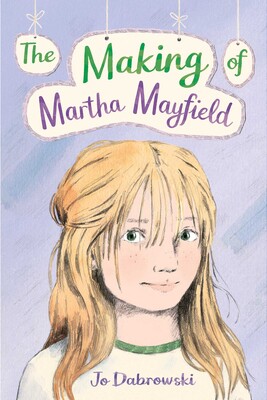
Martha Mayfield has always been the quiet kid. Martha is, after all, her mother’s daughter. The shy child of an even shyer mum. And she likes it this way. That is, until Martha’s mum loses her job. And Martha’s teacher overlooks her at school. And soon, Martha realises something has to give. Can she really go through life being so quiet that nobody takes her seriously? Should she really keep all her good ideas to herself forever?
The Making of Martha Mayfield is an entertaining and fun read. I especially enjoyed this book as it is very relatable to life as a 10/11 year old. The plot was interesting and easy to follow, and the characters, particularly Martha, seem familiar in a way.
I would definitely recommend this book to others. I really loved it.
Wonder by RJ Palacio, Random House UK, ISBN 9780552565974
REVIEWED BY AZAADI KAUR, 8, USA
Azaadi Kaur reviewed her own copy of this book.
Wonder is a book about August Pullman, also known as Auggie. Auggie has an unusual face due to the many surgeries he has had. It is Auggie’s first time going to school. Auggie makes friends with two other kids who go to his school: Jack Will and Summer Dawson.
Julian Albans is an annoying kid who is in Auggie’s class and is really popular at school.
One Halloween, Auggie’s school lets the students wear costumes to school. Auggie was going as Boba Fett from Star Wars, but at the last minute Auggie changed into Bleeding Scream (also from Star Wars).
When Auggie walks into the classroom, there are three kids in costumes there: Darth Sidious from Star Wars and two mummies. They are all waiting for Boba Fett. Auggie knows this, so he wanders off to a different seat.
Auggie overhears them talking:
"Why do you hang out with him so much?" asked Darth Sidious. Auggie knew it who it was.
One of the mummies replied: "I don’t know, Mr. Tushman asked me to, and now August is following me around everywhere." The mummy shrugged.
Auggie recognized the shrug and the voice. This hurt Auggie’s feelings. He didn’t like that he said something mean about him. In the following weeks, Auggie showed some bravery, including standing up to some bullies.
My favourite part of the book is when Auggie earns the award. I think that it shows that being brave always pays off.
I think that the message that this book is sharing with us is: Even if there is a difference in you or your family, never let embarrassment get the best of you, and always stand up for what’s right.
I recommend this book to ages 8+. If you read Wonder, I hope you enjoy it.
This is Azaadi Kaur’s first review for Alphabet Soup. To send us YOUR book review, read our submission guidelines. Happy reading!
Save Me A Seat by Sarah Weeks and Gita Varadarajan, Scholastic Inc, ISBN 9780545846615
REVIEWED BY NYLA, 11, INDIA
Nyla reviewed her own copy of this title.
Save Me a Seat is a wonderful book by Sarah Weeks and Gita Varadarajan, and it is one of my absolute favourites, because, having moved countries myself, it is very relatable.
The two protagonists of this book are Ravi and Joe. Ravi had just moved to America from India, and, because of him being a star student and topper in his old school, he expects something about the same over here. Unfortunately, this does not seem to be the case. Ravi is laughed at and provided with extra help he is sure he doesn’t need. Ravi is certain that one boy, Dillon, will be the perfect friend for him. What he doesn’t know is that Dillon isn’t who he seems.
Joe has APD and hates being put on the spot. He too goes for extra help, but things do not start off well between Ravi and Joe, due to the numerous differences between the two. Despite this, they are able to put aside their differences and work together to go against a common class bully.
This book is perfect for kids who enjoyed Finally Seen by Kelly Yang. It is also a great choice for kids who like books about moving and adjusting to new places. I would recommend this book to children ages 10+. One of my favorite parts would be around the ending, when Ravi tells the entertaining story about why he got the leeches for his personal reflection item. The authors did a wonderful job in showing Ravi’s thoughts about what he wanted to do but what he actually did. I especially enjoyed the unique way those thoughts are written: in the form of a short, numbered list.
Matilda by Roald Dahl, illustrated by Quentin Blake, Puffin (Penguin UK), ISBN 9780241558317
REVIEWED BY ARA, 8, NSW
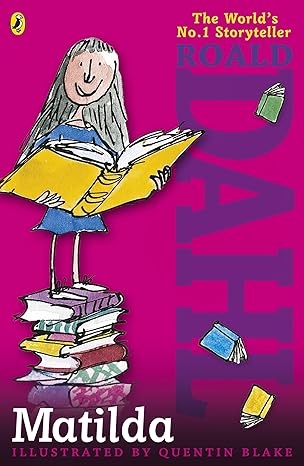
Matilda is a funny fantasy story for every age even if your parents are reading to you. It is a story that stands out because it teaches you an important lesson to stand up for yourself.
Matilda is also very entertaining. It is good for bed time stories and helps kids from ages 3 to 6 get to sleep quicker. It has scary bits and funny bits for everyone.
Matilda is brave when she stands up for herself in front of the head mistress. She is also charming and likeable and what’s more, she has special powers. The author Roald Dahl and illustrator Quentin Blake did an excellent job of making Matilda come to life.
I give this book five stars because I laughed and cried and thoroughly enjoyed it.
The Extremely Embarrassing Life of Lottie Brooks by Katie Kirby, Puffin (Penguin UK), ISBN 9780241460887
REVIEWED BY CLEMENTINE, 9, NSW
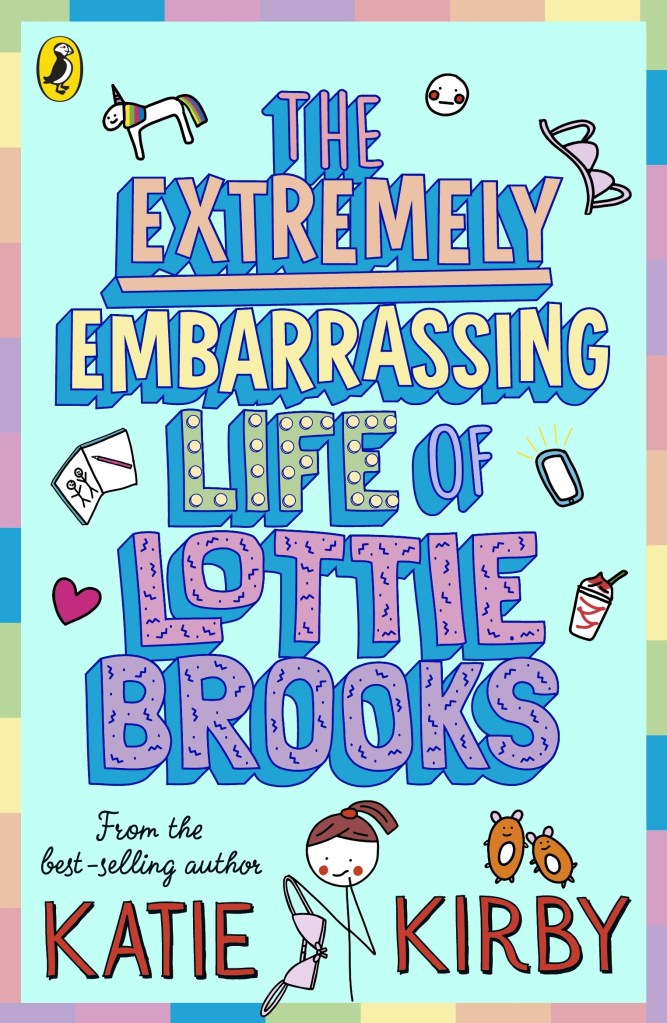
The Lottie Brooks series is a funny, day-to-day diary written and illustrated by Katie Kirby.
Lottie is 11 years old going on to high school but doesn’t want to start without her best friend Molly because she moves to Australia. She is all alone. But shortly after she starts school she makes three best friends, Amber, Jess and Poppy.
At the start of the book she creates a plan so she can be popular by changing her look and personality. She gets involved with all the school drama and you won’t be ready for all the twists.
My favourite part of the book is when she first started high school and made her new friends. And when people give her funny nicknames.
I love this book because it is hilarious and entertaining. It made me laugh over and over again. It is great for ages 9–13.
The Lottie Brooks series is all about school drama, day to day life, best friends, sleepovers and most importantly extremely embarrassing moments that everyone has experienced.
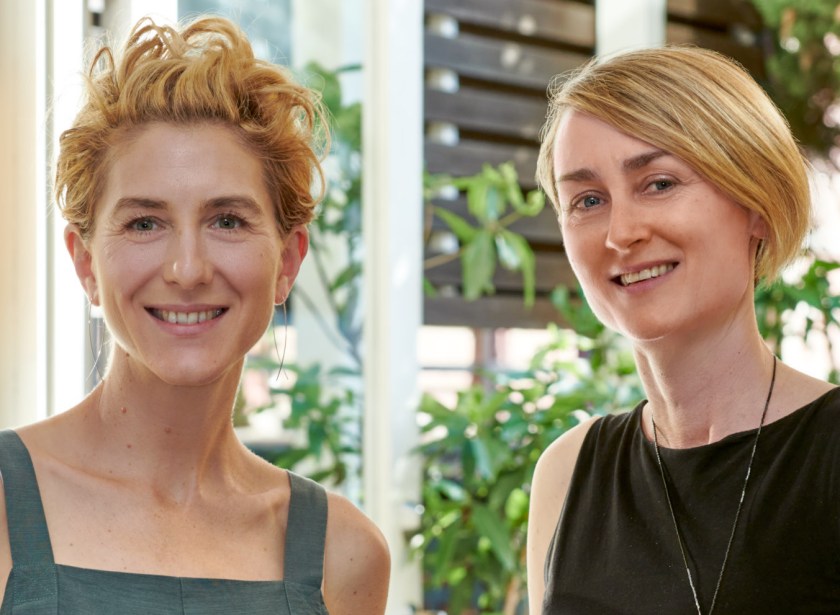
Maddy Mara (Hilary Rogers and Meredith Badger). Photo by Les Hallack.
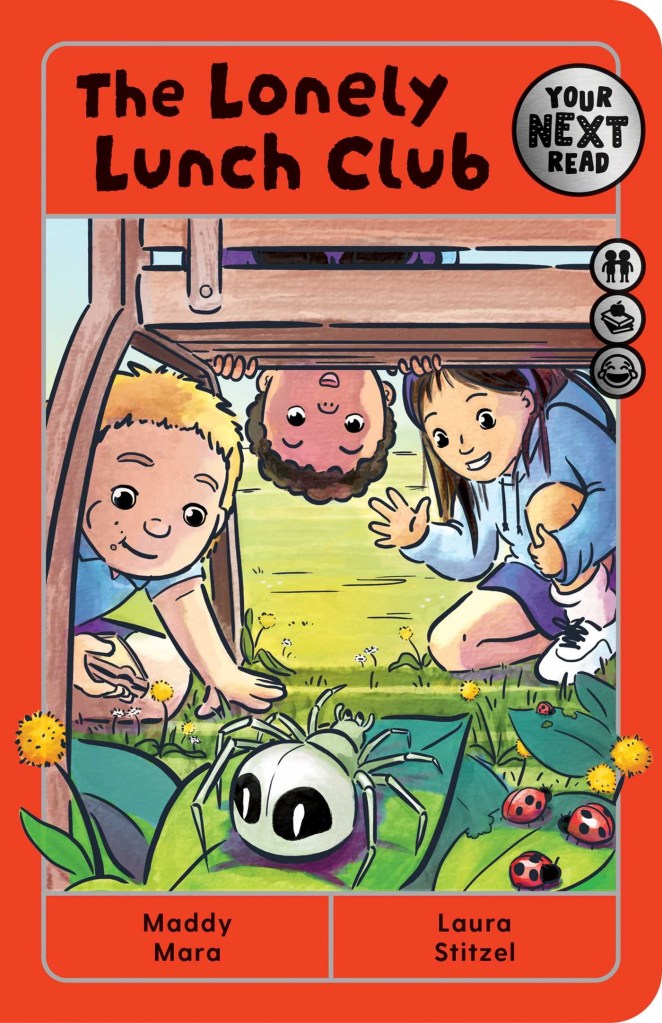
Maddy Mara is the pen name of Melbourne-based creative duo Hilary Rogers and Meredith Badger. You might have read Maddy Mara’s books in these popular series: Dragon Girls, Forever Fairies, Itty Bitty Kitty and Jet Set Pets! Hilary and Meredith have been collaborating on children’s books for nearly two decades. Hilary is an author and former publishing director; Meredith is the author of countless books for kids and young adults, and teaches English as a foreign language. Today we’re chatting about The Lonely Lunch Club, Maddy Mara’s junior fiction book in the Your Next Read Silver series, with fun illustrations by Laura Stitzel.
The publisher provided Alphabet Soup with a review copy of this book.
From the publisher:
Do you like FRIENDS, SCHOOL and FUNNY STORIES? Then this book is YOUR NEXT READ. One lunchtime, Benji goes to the worst bench in the whole school instead of playing footy. There he meets a girl named Alice and a spider named Mabel. And Mabel needs their help! But can Benji and Alice do it alone?
Maddy Mara is your pen name, and you are two writers creating one story! How do you go about working together on a book?
Yes, people are often surprised to learn that Maddy Mara is actually two people. We are Hilary and Meredith, but we write under the pseudonym (a fancy word for pen name) Maddy Mara. We love working together! For us, it’s like getting paid to do a school project with one of your best friends, who also happens to be smart, hardworking and funny!
When we’re working on a new book, we always start by talking about our ideas. We have a lot of ideas –some of them are terrible and some of them are great – so this is a fun part of the process. Once we’ve agreed on the rough shape of the story (it needs to be something we are super excited to work on), then we think about the characters, and what might happen to them. We also workshop what the story or series might be called – we love bold, catchy names (Dragon Girls! Itty Bitty Kitty! Jet Set Pets! The Lonely Lunch Club!). We then plan out what will happen in each chapter before we get writing (mostly this works, but sometimes we need an emergency meeting with strong coffee if it doesn’t).
It changes from project to project, but usually Meredith goes first, and Hilary goes next. Then we send the story back and forth quite a few times until we love it and can’t quite remember who did which bits. It really is a team effort.
Alice and Benji make friends with an alien butt spider called Mabel. Is an alien butt spider a real spider!? How did you find out about this spider?
It is a real spider! Using the alien butt spider was Meredith’s idea, and we basically chose it because it’s such a cool and funny name for a cool and funny spider. We also we didn’t want to pick a dangerous spider (kids, don’t go looking for spider friends!). The Latin name is Bijoaraneus praesignis which isn’t quite so snappy …
The great thing about the books we write is we have to discover interesting things about the world (like, is a great white shark faster than a killer whale? Or, what spiders have cool names and live in Australia?). But because we write a lot of fantasy, we also get to make things up (like, can a sea dragon roar fire underwater? We say YES!).
How do you add humour to a story? Is it part of the storytelling from the beginning? Or do you go back and add it in after you’ve written the story?
We always like to use humour in our stories, as a treat for our readers and to help them keep reading. We find that humour often comes from characters doing unexpected things (like, an adorable little kitten thinking she’s a brave tiger in Itty Bitty Kitty). The Lonely Lunch Club story starts with Benji doing something unexpected (not playing footy, like he normally does) meeting Alice doing something unexpected (hanging out with a spider, on the worst bench in the school). We then have an unexpected connection between these two kids, who don’t have anything in common except that they want to look after Mabel, the alien butt spider.
But we also rework all our stories to make them funnier as we go along – the final draft is always funnier than the first. A good example of this is when Benji and Alice are discussing what the coolest thing to find in your lunchbox might be. We had a lots of different ideas for this before we picked the one that ended up in the book: a bar of chocolate vs a bar of gold.
How did each of you like to spend your lunchtimes when you were in primary school?
Meredith wasn’t sporty, so she definitely wasn’t playing footy at lunchtime. But she did like doing handstands against the wall, and skipping and playing hopscotch. Hilary did gymnastics when she was a kid, so there was a lot of cartwheeling and backbending going on! But we both loved walking and talking with friends at lunchtime – and all these years later, we still do!
Can you tell us a bit about what you’re working on next?
We are always working on lots of things at the same time. We love to keep busy! We have just finished writing a second book for the Your Next Read series because writing The Lonely Lunch Club was so awesome. The new one is completely different – it’s set deep under water and (top-secret hint) features an excitable octopus. We also have some new Dragon Girls books that we’re working on (this series is now up to book 22!). And we have a brand new series called Max Beast, which is about a kid who finds a magical amulet that transforms him into a great white shark (and then other creatures in future books). It’s jam-packed with action and humour and lots of animal details. Max Beast is coming out in Australia in June, so look out for it!
The Lonely Lunch Club is out now! Ask for it at your favourite bookshop or local library.
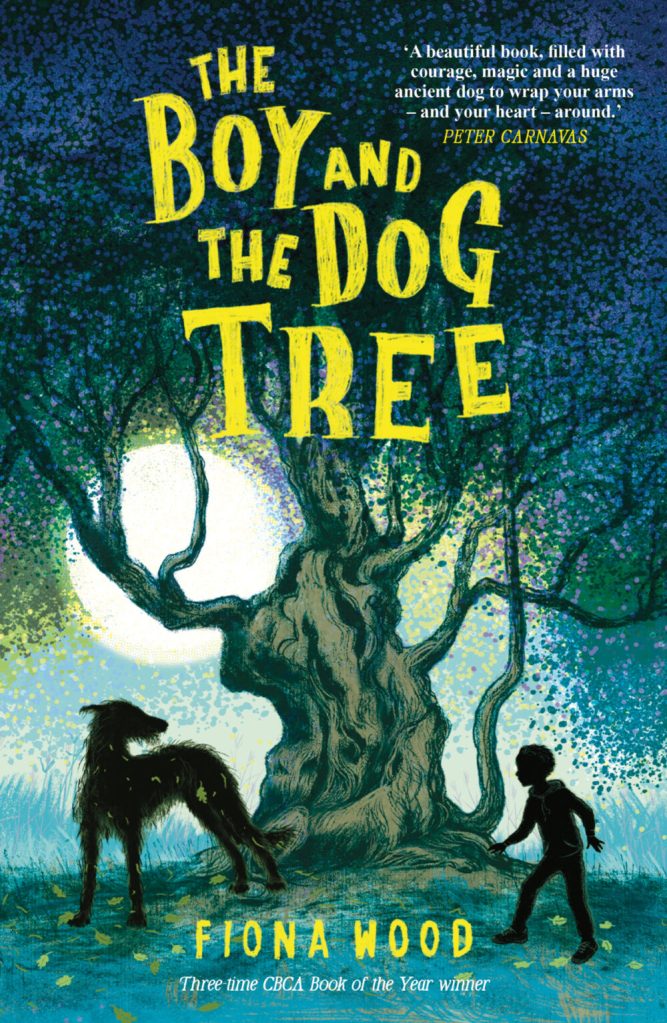
Fiona Wood is an award-winning writer of books for children and teenagers. Her books have been published in Australia and internationally. Today we’re pleased to be talking to Fiona about her latest novel: The Boy and the Dog Tree.
UQP provided Alphabet Soup with a reading copy of this book.
From the publisher:
Instead of the whole family moving to a new city, Mitch and his sister are staying with their gran, while their parents have been delayed working on other side of the world. Mitch is struggling to fit in at school, with the resident Grade Five bully picking on him. The one thing that would make his life better is a dog, if only he could persuade his parents. Then Mitch discovers an old oak tree that seems to growl. And one night, a huge, strange dog-like creature emerges from the trunk. His name is Argos. He has been bound in the tree by ‘history, mystery, magic and chance’ …
How did you come to write a story about a dog magically entwined with a tree?
A very helpful tree suggested the story to me. I live near a park that has some long avenues of oak trees, and one of these trees has a gnarled and twisted trunk that reminds me of a dog. I started asking myself why a dog might be bound within a tree. By whose magic had the dog been put there? And for what purpose? How did it happen? When did it happen? Chewing over questions is a great way to start building a story.
When you add magic into the everyday world, how do you make it feel believable for readers?
If you introduce a magical creature into a realistic setting, the first task is to make the world seem real. If it does, then by association everything that happens in that world feels real too.
It’s also important that the main character in that world has a believable initial reaction to the magic. So, Mitch finds it hard to believe when a tree seems to be murmuring or growling, and then calling to him in his sleep, and even harder to believe when Argos, a huge magical dog-like creature emerges from the tree. As improbable as it first seems, Mitch does come to believe what he can see with his own eyes. And ideally the reader will believe Mitch.
Other characters’ reactions also support the believability of the magic. For example, Regi, Mitch’s sister, realises that Mitch can hear what Argos is saying, though she cannot. She also notices Argos’s magical smell.
Finally, the magical creature itself must feel real. The writer’s job is to allow readers to imagine what Argos looks like, how he sounds, what sort of personality he has, and how we might react if an Argos came into our life.
Is the park where Mitch visits the dog tree based on a real park?
It is imaginary, but it has elements of a few parks in Melbourne/Naarm including Hedgeley Dene Gardens, Fitzroy Gardens and Fawkner Park.
Did you have a dog when you were growing up? If you did, was it your idea of the perfect dog?
I did not have a dog when I was growing up, and it was a thorn in my side. My brother and I pleaded and complained to my parents for years to no avail. I was allergic to the pet guinea pig offered in substitution. I truly longed for a dog as Mitch does in the story.
So, I made sure my children had a dog growing up. He was a much-loved family member, very far from perfect, quite naughty in fact, but adored by all of us.
Can you tell us a bit about what you’re working on next?
I’m working on a story that has Mitch’s friend Dido as the main character. In The Boy and the Dog Tree, Argos tells Mitch that Dido is a witch, though she doesn’t know it yet. What would it mean to be a witch in a perfectly ordinary family? How does Dido find out that she is a witch and what might she do with this powerful identity? What are the upsides and downsides of having a particular power? More questions to chew over.
The Boy and the Dog Tree is out now! Ask for it at your favourite bookshop or local library.
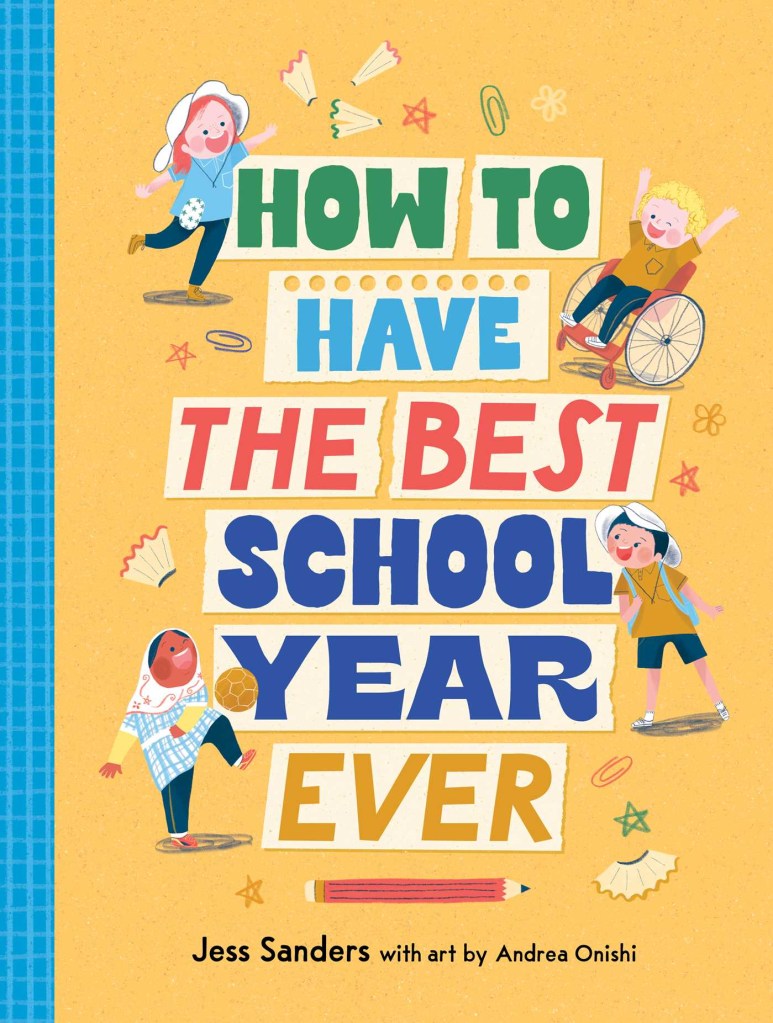
I think the book is great to start the school year with. Its great for setting goals and being motivated to achieve them. The book even has a resource section on how to support resilient kids. I think the book helps you along the way by building up your confidence for the school year and it teaches you that making mistakes is okay and when you make a mistake you try again and don’t give up.
One part in the book stood out to me, it said ‘all that matters is you try your best, because when you try you grow, and growing is what school is all about.’ It made me feel motivated and I really felt the sentiment.
The illustrations are beautiful and the quality of the book itself feels really nice. I like the use of colour. It had lots of different texture. I also liked the diversity, not everyone has blonde hair or the same colour skin, and some people are in wheelchairs or have different cultures. It shows kids that having that kind of diversity is normal. I love that the teacher has diversity, normally it’s just the kids.
I think the book would be good for kids Year 1 and up, and it would really motivate shy kids and kids that don’t like going out of their comfort zone. It makes you think about what you want to achieve in the year, more like social skills rather than grades.
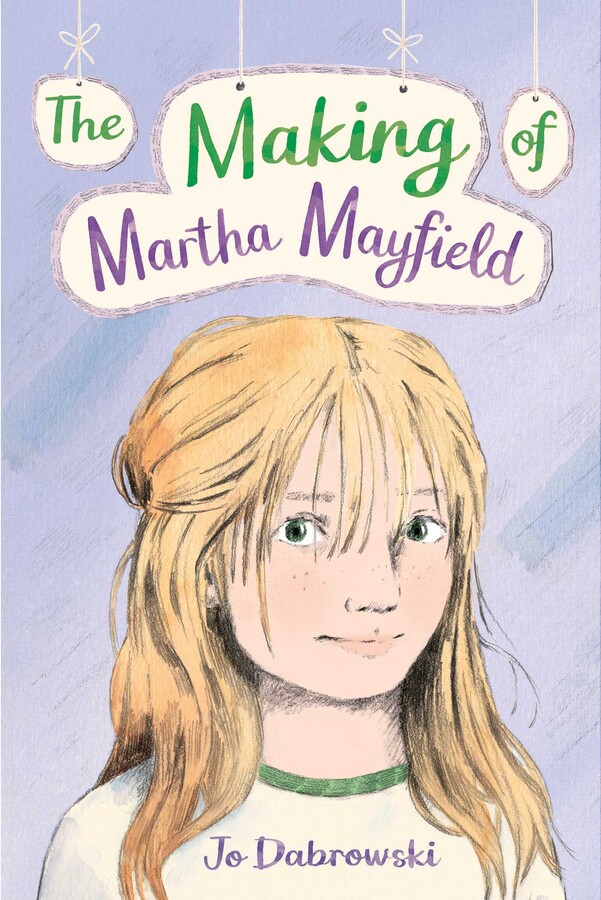
Jo Dabrowski lives in Melbourne, Australia and started her writing career in advertising. Jo loves reading adult books and kids books in all genres, but the books she gets most excited about are the ones where she can see a tiny bit of herself in one of the characters. Today we’re thrilled to be chatting to Jo about her novel: The Making of Martha Mayfield.
The publisher provided Alphabet Soup with a reading copy of this book.
From the publisher:
Martha Mayfield has always been the quiet kid. Martha is, after all, her mother’s daughter. The shy child of an even shyer mum. And she likes it this way.That is, until Martha’s mum loses her job. And Martha’s teacher overlooks her at school. And soon, Martha realises something has to give. Can she really go through life being so quiet that nobody takes her seriously? Should she really keep all her good ideas to herself forever?Putting yourself out there is every quiet kid’s worst nightmare, but Martha is determined to make the most of it. And perhaps to make something of herself along the way …
Martha is much quieter than most of her classmates. How did you come to write about Martha – someone who is usually in the background?
Loud, confident characters have had plenty of chances to shine, I thought it was time a shy person was in the limelight! The Making of Martha Mayfield is definitely the most personal book I’ve ever written. I borrowed lots of things from my own life and included them in the book. The biggest one was that I was shy when I was in primary school. Not quite as shy as Martha, but I could be very quiet and anxious. I always had lots of ideas and things that I wanted to say but, quite often, I was too worried about making mistakes or embarrassing myself. Writing about Martha came very naturally to me because I clearly remember all those anxious feelings as well as the frustration of staying quiet when I so badly wanted to speak up.
Group projects! Are you a fan yourself, or do you prefer to fly solo?
When I was at school, I definitely preferred to work on my own. I had very specific ideas about the way I wanted things done and that can be tricky when you’re working in a group. Now that I’m older I appreciate that I can’t do everything and I genuinely like teaming up with people who have different strengths and skills. When I write my books, I love sharing my work with my editor. She always has lots of ideas of how can I push myself and make the story more interesting. That’s the best part about working in a team –discovering different ways of doing things and making the work better.
Martha loves stationery and paper craft. What’s your favourite item of stationery on your desk right now?
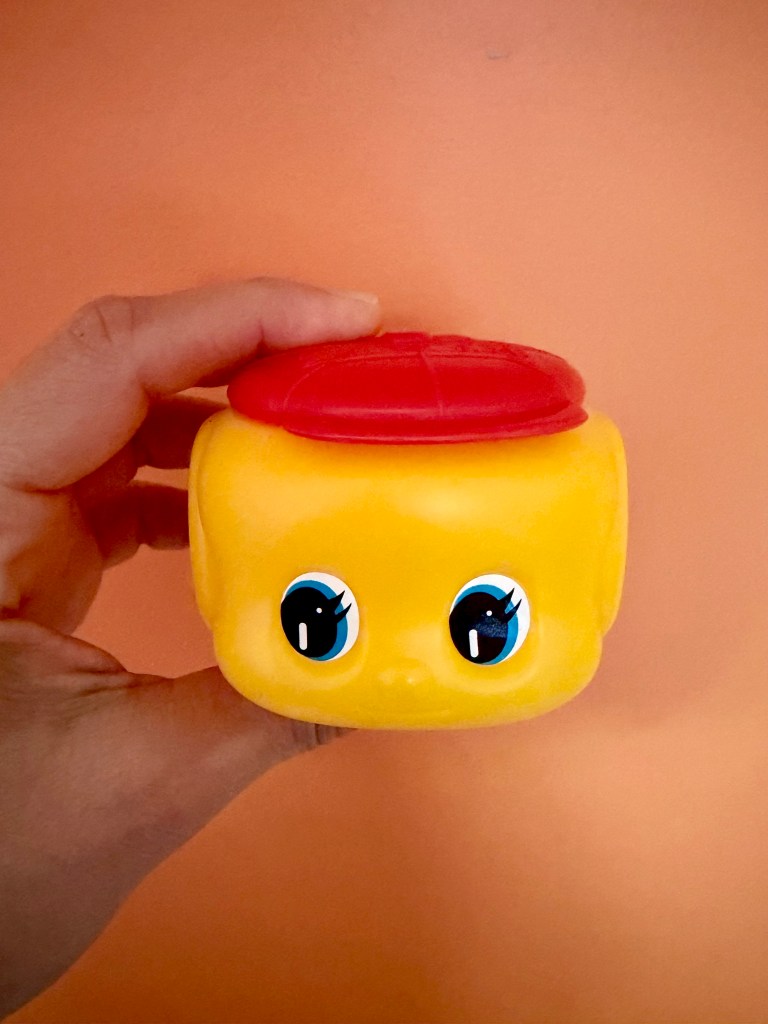
Where do I begin?! I love stationery. It’s hard to pick one favourite. I have a Mr Fueki glue pot (just like Martha). I bought it in Japan.
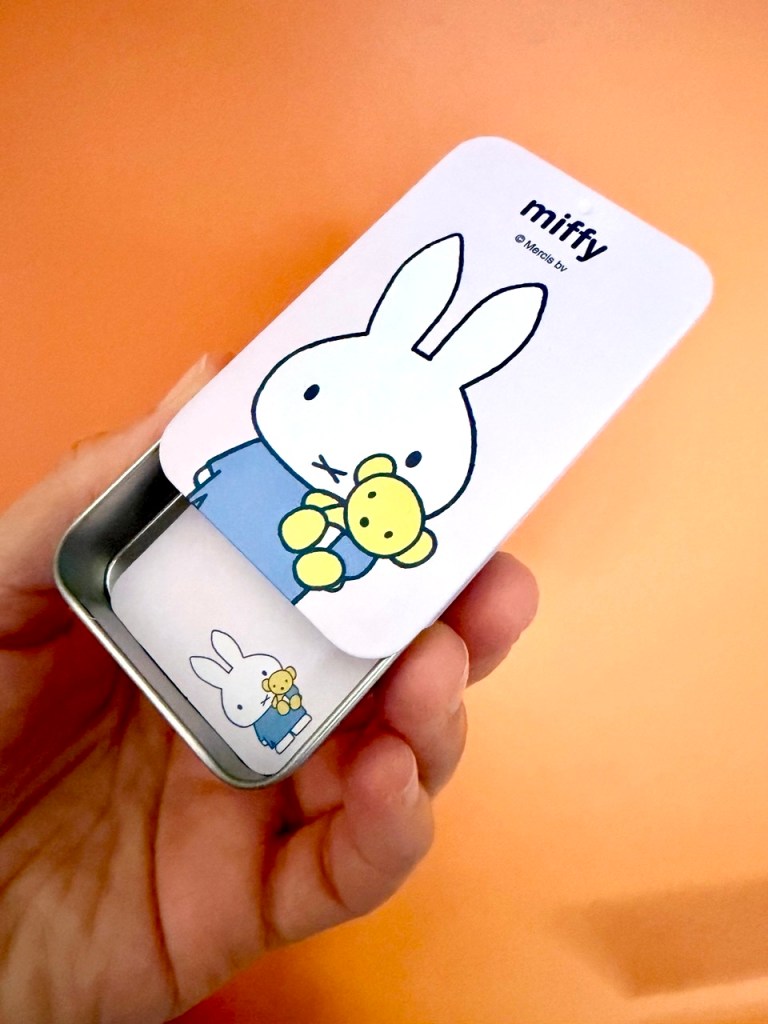
I have a tiny tin with a picture of Miffy on it that has little note cards inside. They’re so cute that I’ve never actually used one because I never want them to run out!
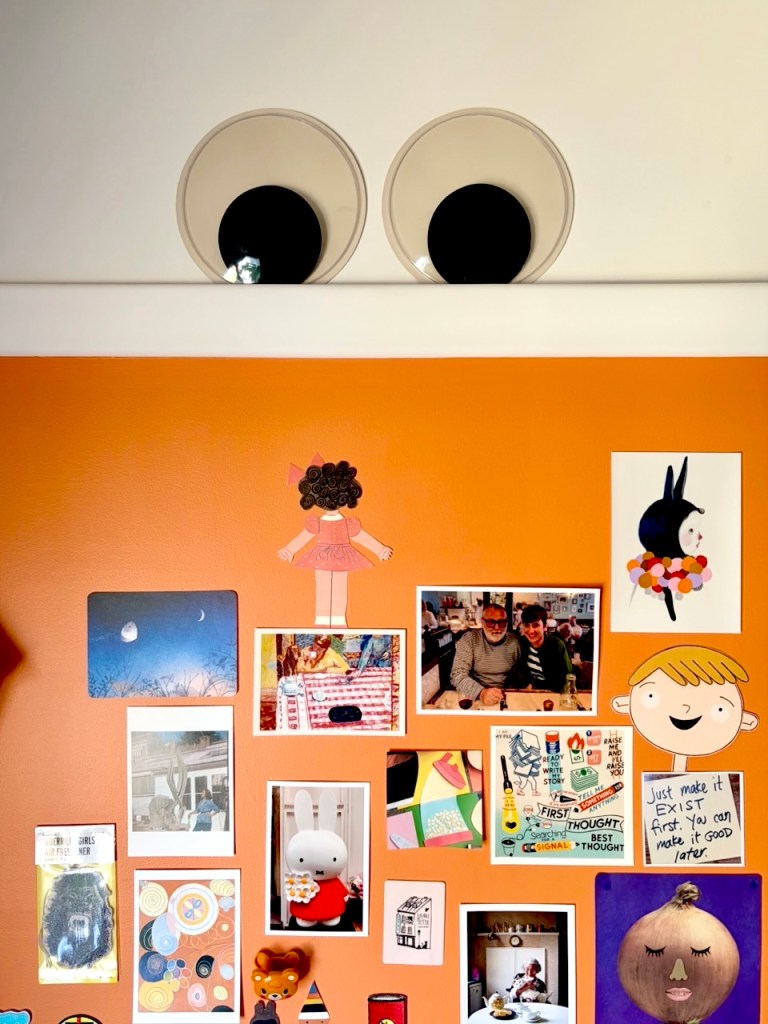
And, I know this isn’t stationery, but I also love googly eyes. I have a giant pair stuck to the wall above my desk:
Do you have any tips for kids who find themselves part of a group project?
Try to be flexible. This can be hard, I know. But no one has the exact same vision as you. Share your ideas and make sure you listen to everyone else’s too, then do your part to the best of your ability. Try not to worry if it doesn’t turn out exactly the way you imagined it. You never know, it might even turn out better!
Can you tell us a bit about what you’re working on next?
Right now, I’m mostly working on more picture books. I have a new one coming out in September about a boy who makes a lot of bad decisions. I’ve also started a rough outline of a new middle grade novel about a boy who really loves rules!
The Making of Martha Mayfield is out now! Ask for it at your favourite bookshop or local library.
Wonder by RJ Palacio, Random House UK, ISBN 9780552565974
REVIEWED BY EMILY, 10, New York, USA
Emily reviewed her own copy of this title.
Wonder by RJ Palacio is an incredible book. It is about the main character, Auggie Pullmen and the challenges he has to face at a real school because of a facial disorder that he was born with. This is a book of mixed emotions – some of his feelings were happy, sad, mad and embarrassed.
Auggie had many struggles at school and with his friends because he was different. One example of when Auggie felt embarrassed is when Auggie trusted Jack with secrets of his surgeries, but Jack let him down by making fun of him with other kids behind his back. Even though this made him feel sad he didn’t forget about his other friendships. Another friend, Summer, made Auggie feel stronger about himself. Summer was always there for him and she didn’t care what other kids thought about his face. And Summer was very kind to Auggie. The way Jack treated Auggie made me feel unhappy and sad because you should always treat others the way you want to be treated. But Jack was unkind and didn’t care about how Auggie felt.
The life lesson of this book is to be brave and to not care what other people think of you. And to try and overcome those challenges in life even if it’s hard.
This is Emily’s first book review for Alphabet Soup. To send us YOUR book review, read our submission guidelines. Happy reading!