Posted in Book reviews by Aashi, Book reviews by kids

Book review: The Riding Gallery

The cover of a children's verse novel: The Riding Gallery

The Riding Gallery is a beautiful book that is written in verse. It is historical fiction with poems that bring it to life. The book, written by Sally Murphy, is set in St Kilda. St Kilda is a busy place, in Melbourne,  that is right by the sea shore. When you read the book you can almost feel the sand grind between your feet, and the sea roar. 

The book features a German engineer, Anton, with a dream. His dream is to build a steam powered merry-go-round. He works on it day and night, carving wood and painting the horses. As he works on it, he realises not everyone trusts him since he’s German.

Evelyn, is the daughter of a newsagent. She wrinkles her nose when her dad tells her they are moving to St Kilda. She is quite reluctant to move to St Kilda untill she hears that her neighbours have a son, her age.

There is also a boy named Rory. He is Evelyn’s neighbour. Rory has a hard time choosing what is right. He wants the Allies (Australia’s side) to win especially because all three of his brothers are fighting. Rory also thinks all Germans are bad, unlike Evelyn.

Soon Anton’s ride is complete. At first, everyone is excited about the new ride. But when the war starts, things change. People get scared. They think Anton is bad, even though he has done nothing wrong. Evelyn tries to understand. Rory feels confused and worried about his brothers. Some people are still kind, but others are not. 

Will Anton’s ride become a hit or go down in flames? Will Rory’s brothers make it home? Will Evelyn find friends?

The book is beautifully written. It gives insights for all the characters and their feelings. The pictures by Martina Heiduczek give a great visual interpretation.  I would recommend the book for anyone in upper primary school. 


Aashi is a regular book reviewer for Alphabet Soup. You can read more of her book reviews here. To send us YOUR book review, read our submission guidelines.
Posted in authors, interviews

Sally Murphy on The Riding Gallery

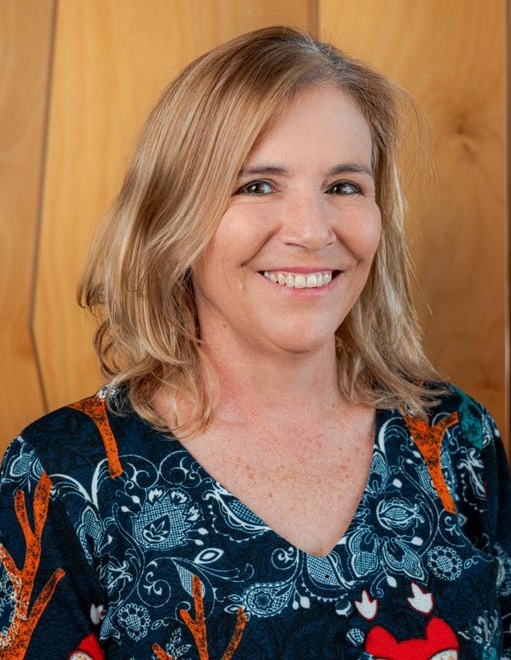
Sally Murphy is an author, poet, speaker and educator based in the South West of Western Australia. Sally has published more than 40 books, and we’re thrilled to be chatting to Sally about her verse novel: The Riding Gallery, illustrated by Martina Heiduczek.

From the publisher:


For my previous verse novels, they were always going to be in that form – that is, they came to me as stories in verse. This one was a little different. I stumbled across the piece of history (a merry go round tracing back to World War 1) and when I researched its origins and saw the story behind it, I thought it might make a historical picture book.  I wrote it that way, but feedback from publishers was that it didn’t work – there needed to be more story to really make clear why things happened around that merry-go-round. It took me a while, but I finally realised they were right – and that I needed characters other than Anton, the ride’s owner. That is when I realised multiple voices, in verse, would be the ideal format. Verse novels allow for those multiple viewpoints, and the depth of emotion a story like this one needed.

The story found me in Canberra one very cold July, when I was there for a month courtesy of the May Gibbs Children’s Literature Trust. I walked every day, and often walked past the merry-go-round that is located in the city centre. I got curious about that merry-go-round, read an interpretive sign, and had to know more. It was a hard story to piece together, but the more I learnt the more I knew it needed to be told.

The story takes place against the backdrop of World War 1, and I wanted to be sure to include some of the major war events, even though the story is set on the home front, in St Kilda.  Most of what people knew about the war was dependant on the reporting in the papers, so it seemed a good way to know what was reported was to look at the papers of the day. The poems that resulted are all found poems – that is, they each use only words from a single news report from 1915.

I have indeed ridden it – along with my publisher, Clare Hallifax. But I’m embarrassed to admit I don’t remember the name of the horse – I was pretty overwhelmed by actually riding on Anton’s ride.

A woman in a black and white coat stands holding a book in front of a merry-go-round
Sally Murphy at the riding gallery, Canberra.

I always have multiple projects on the go, at different stages of completion. I’ve recently sent the manuscript for a war-themed picture book to my publisher – I think that will be out in 2026. And I am  trying to edit another historical verse novel, set in WA in World War II. I’ve also got other projects waiting (im)patiently for me to get back to them.

The Riding Gallery is out now! Ask for it at your favourite bookshop or local library.


Read some sample pages in The Riding Gallery

Check out the names of the animals on the riding gallery at ‘Libraries ACT’.

See some photos of the riding gallery at the National Carousel Association website

Find out more about Sally Murphy and her books

The cover of a children's verse novel: The Riding Gallery
Posted in authors, interviews, poetry

Deborah Abela on The Kindness Project

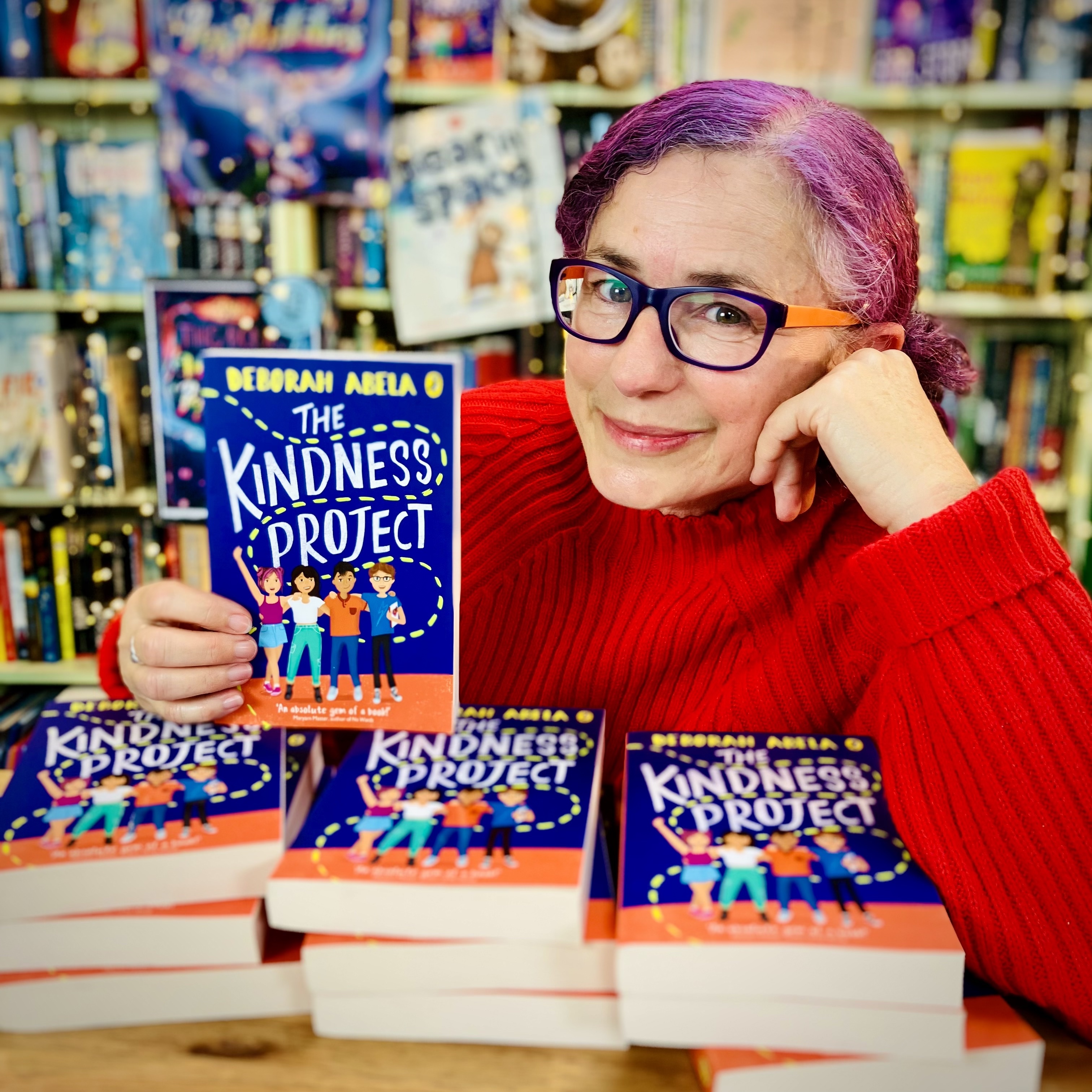
Deborah Abela with copies of The Kindness Project

Deborah Abela is an award-winning author and trained as a teacher before becoming writer/producer of a national children’s TV show. She has since written 30 internationally published and awarded books, including the Max Remy series, her climate change trilogy – Grimsdon, New City and Final Storm – and The Stupendously Spectacular Spelling Bee. The Book of Wondrous Possibilities is about the power of books to save us when we feel lost. Today we’re thrilled to host Deborah to talk about her latest book: The Kindness Project.


I’ve LOVED verse novels for so long. They’re like a regular novel, but instead of chapters there are verses. This means they have to get to the point very quickly, so they’re often real page-turners. I also LOVED playing with the look of the words on the page, so if something is  

BIG

I wanted the word to look big. Same if a character felt scared or lonely. That was fun.

The big skill was learning how to tell a big story with not so many words. That meant I had to concentrate really hard on finding the exact word for everything that happened.

That depended on who was in my group. If I was with my friends, it was fun, but sometimes I had to be in a group with people I didn’t know, and that was hard, but if we were excited about the project, it worked out really well! So when Ms Skye puts Nicolette into a group with kids who don’t like her, I totally understand why she’s nervous. 

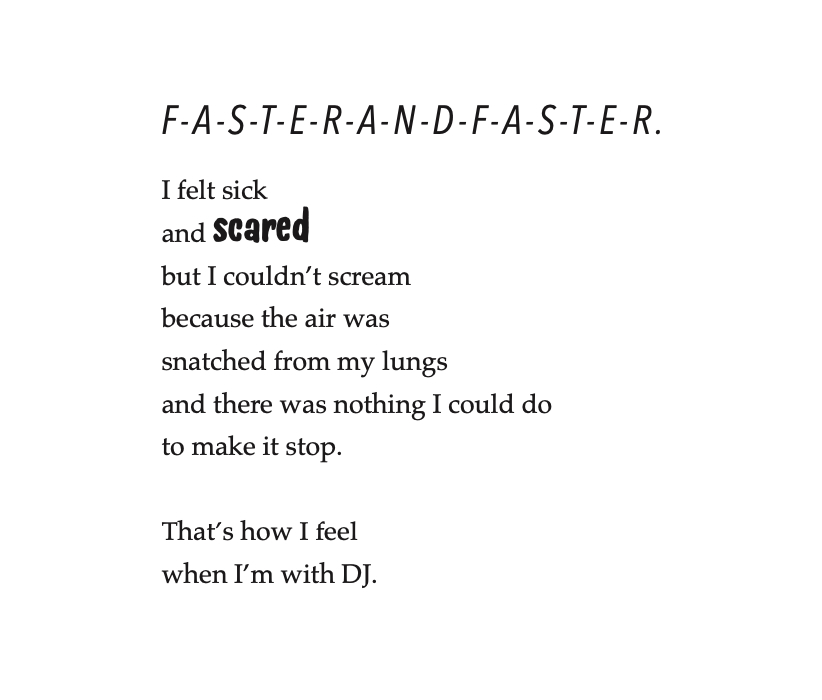
Think about a something that has happened to you that made you feel happy or nervous or excited. eg auditioning for a play, getting your first pet, the soccer grand final. Tell that story, including how you felt, but only writing a few words per line. Include only the really important parts of that story. When you’re happy, look at the verse and see which words you can make look like their meaning. Here’s an example from pages 16 and 17. in The Kindness Project.

Page 16 from the novel The Kindness Project by Deborah Abela.
Page 17 from The Kindness Project by Deborah Abela
[Pages 16 & 17 from The Kindness Project]

I am working on two junior fiction ideas and a middle grade novel, but I have a new picture book coming out in February 2025 called No More Room in the Bed. It’s about a dark and stormy night and a bed that becomes full of frightened creatures who all want to squeeze in beside Dad. Until it all becomes too much! 

The Kindness Project is out now! Ask for it at your favourite bookshop or your local library.


Take a peek inside the book

Read some more writing tips from Deborah Abela

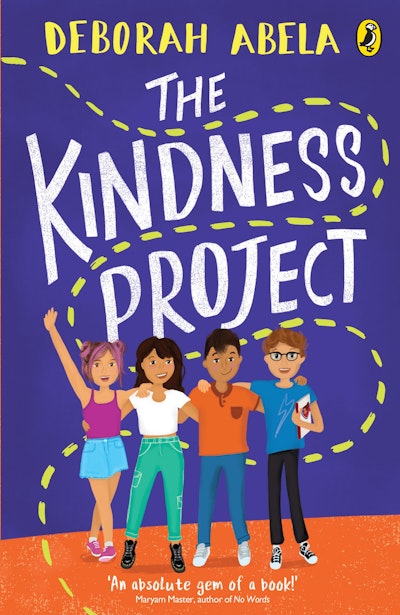
Cover of a children's novel: The Kindness Project by Deborah Abela
Posted in authors, interviews, poetry

Sally Murphy on Queen Narelle

Sally Murphy is an author, poet, speaker and educator based in the South West of Western Australia. Sally has published more than 40 books, and we’re thrilled to be chatting to Sally about her verse novel: Queen Narelle, with illustrations by Simon O’Carrigan.

From the publisher:


When I wrote the book I had not owned a cat for a very long time, but when I was a kid my only pets were cats, and I adore them. Narelle came to me as a cat-character and insisted I write her story. George is very much not amused.  And, since the book came out,  I once again have a cat – a gorgeous tortoiseshell kitten who I have had to name Narelle. The good news is that George and Narelle get along very well – except when they are busily play fighting.

Yes. Verse novels are poetry, but while they use many of the same techniques as standalone poems, they must also work as narratives. So it is important to include narrative elements such as plot, characterisation and dialogue in ways that aren’t always needed in standalone poems. So, when writing a verse novel I am trying to keep the narrative moving with each poem, while also drawing on the poet’s toolbox – things like line length, white space, imagery, repetition and more.

Yes, this was always going to be a verse novel. I had written others before I wrote this one, and had decided that this cat needed a story. I started by writing from the cat’s perspective and, as I wrote, a story started to emerge. Later I realised that Narelle’s human, Maddie, would also need to tell her story, and so alternated their voices.

I think its important to write about animals that you are able to closely observe or have had close contact with. Not every cat will be the same, and nor will each dog, or rat, or elephant. It’s only by observation that you can see the habits and mannerisms of an animal, and use those to develop a personality which will in turn lead to the way the animal speaks or thinks. Using first person helps to take you inside those thoughts of the animal so that you are not describing, but showing.

An invitation to a book launch at Curtin University, 4.30pm on 18 July 2024 for a new book by Sally Murphy

I have another verse novel, The Riding Gallery (with illustrations by Martina Heiduczek) on its way. It’s quite different from Queen Narelle, because it is based on some real events that happened in St Kilda during World War I. A man named Anton Weniger, who was born in Germany, opened a new merry-go-round on the St Kilda foreshore but, unfortunately, because he was German, some people did not want him there.  I took this real event and added some fictional characters, two children who befriend him. I have also had some fun playing with poetic form – including some poems written using words from newspaper articles from 1915, and other poems that are designed to be read by two people at the same time (Poems for Two Voices), so that we get both characters’ viewpoint at the same time.  The Riding Gallery will be released in July this year.

Queen Narelle was released in 2023. Ask for it at your favourite bookstore or local library.


Hear Sally read some of her poetry (scroll down to find the videos)

Visit Sally Murphy’s website for more about her and her books.

For grown-ups: Come to the launch of Sally’s next verse novel (July 18th 2024). Hear about the book, get teaching ideas, and network with fellow educators and children’s book enthusiasts.

Download the Teachers’ Notes for Queen Narelle.

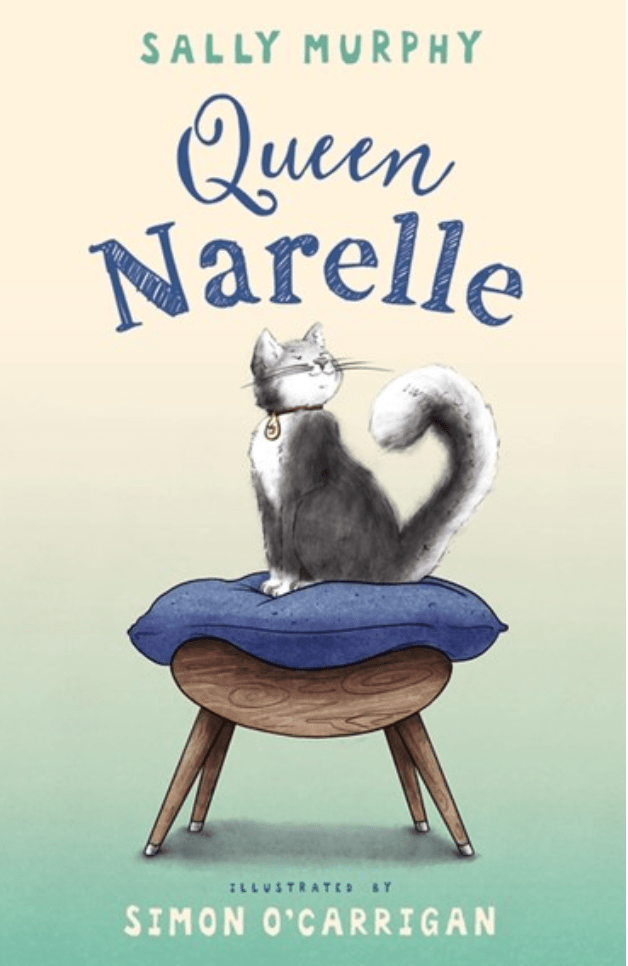
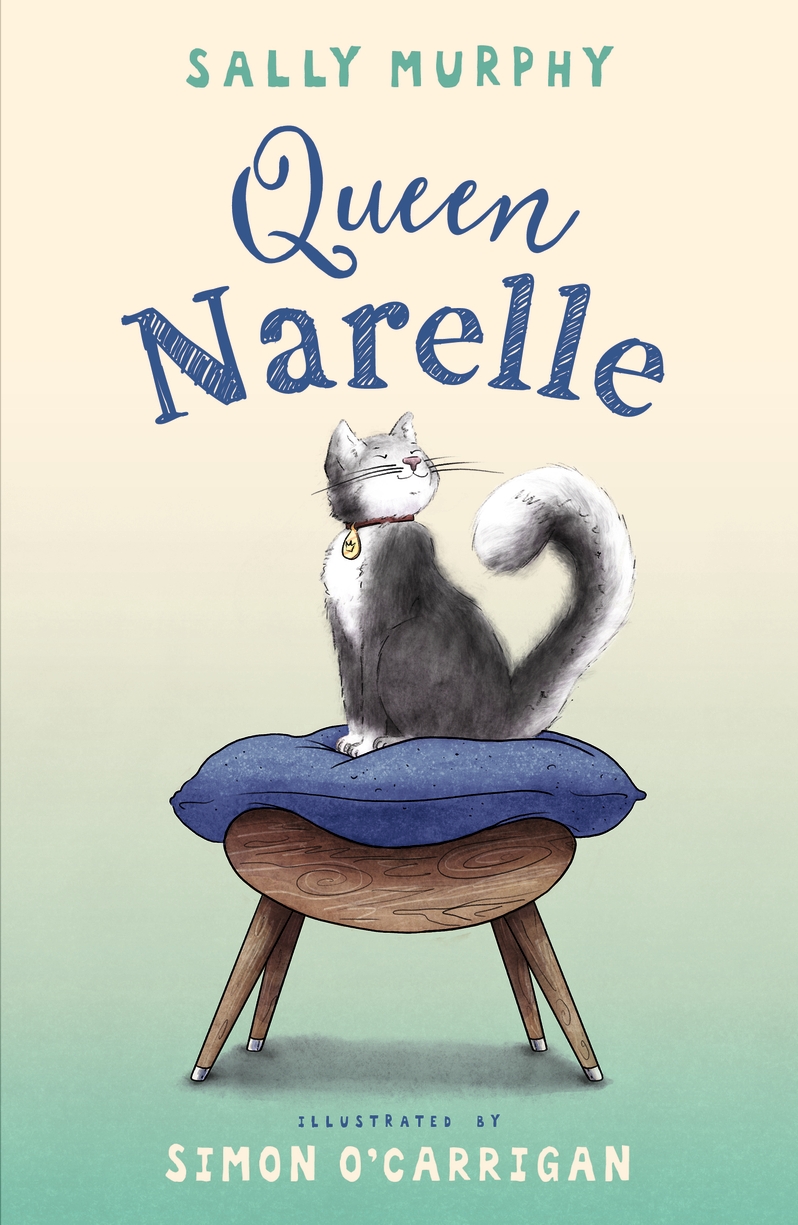
The cover of a children's novel: Queen Narelle
Posted in Book reviews by Aashi, Book reviews by kids

Book review: Queen Narelle

the cover of a children's book: Queen Narelle

Meet the Queen, her name is Narelle. Her subjects shall bow to her, whenever they greet her. She’s the keeper of the kingdom, ruler of the domain, and, most importantly, Maddie’s best friend.

Narelle is a cat and is the queen of her household. The household includes Narelle (The Queen of the household), Will (The Noisy Person of the household), Mum (The Court Counsellor of the household), Dad (a respected subject) and Maddie (Narelle’s princess and best friend).

Narelle is wise and caring. She loves all her subjects and makes sure they are happy. However, when Maddie’s friends, Nicole and Samira, become bullies because of a silly fight, Narelle is Maddie’s only friend.  Nicole and Samira were writing mean and nasty notes in class about Maddie. When a subject is sad it is Narelle’s job to make them happy, but, in this case, Narelle is not sure what to do. Poor Maddie!

I rate this book 5 out of 5. Sally Murphy once again wrote a fabulous book. The book was detailed covering different opinions and perspectives. I recommend the book for 7 to 9-year-olds, they will truly love it. I loved it because it had a beautiful ending. It also showed that love is very important and that someone will always love you no matter what happens.

Once again, I enjoyed reading this book and I hope you will read it too.


Aashi is a regular book reviewer for Alphabet Soup. You can read more of her book reviews here. To send us YOUR book review, read our submission guidelines. Happy reading!

Posted in Book reviews by Anwen, Book reviews by kids

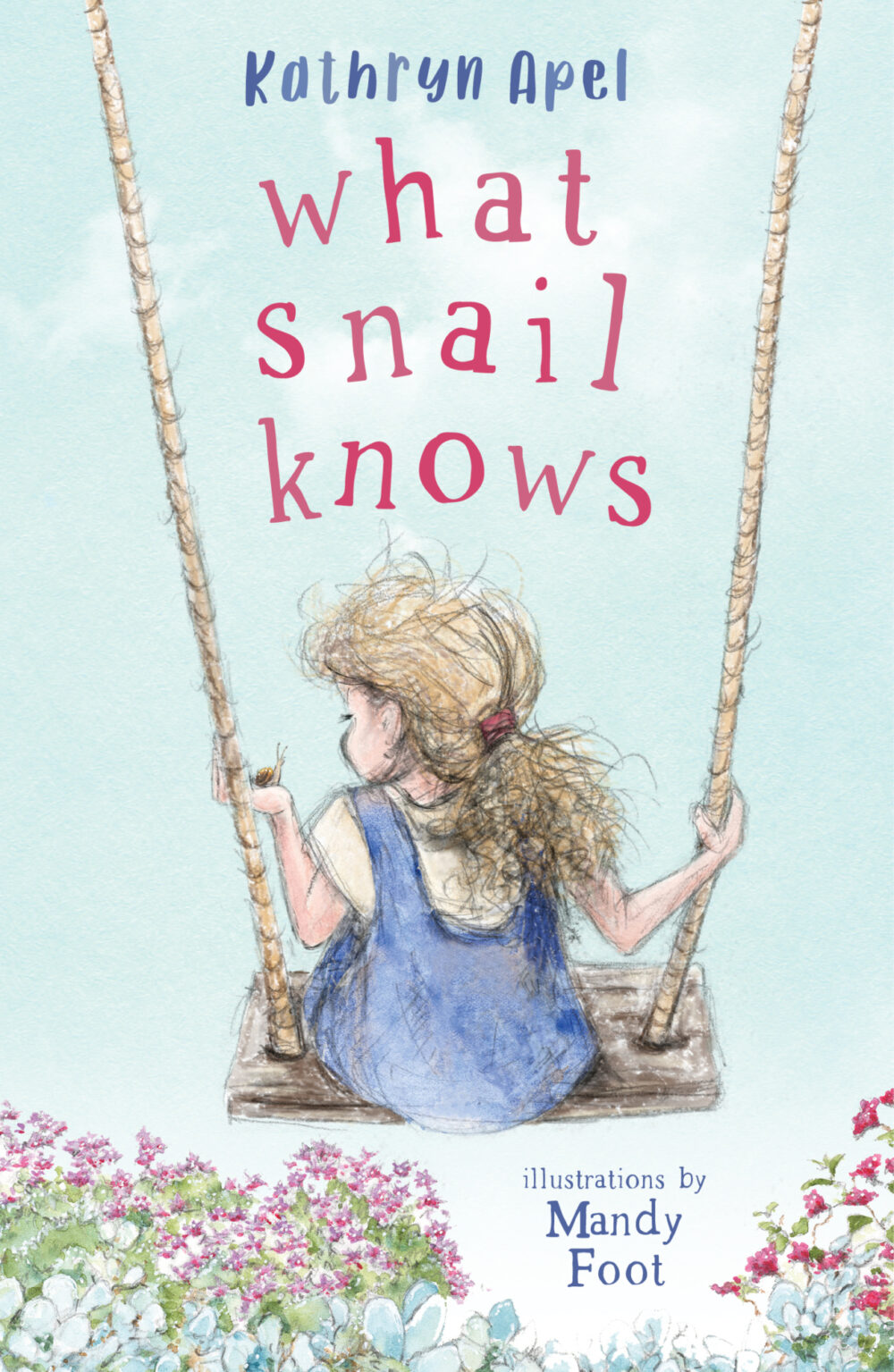
Book review: What Snail Knows

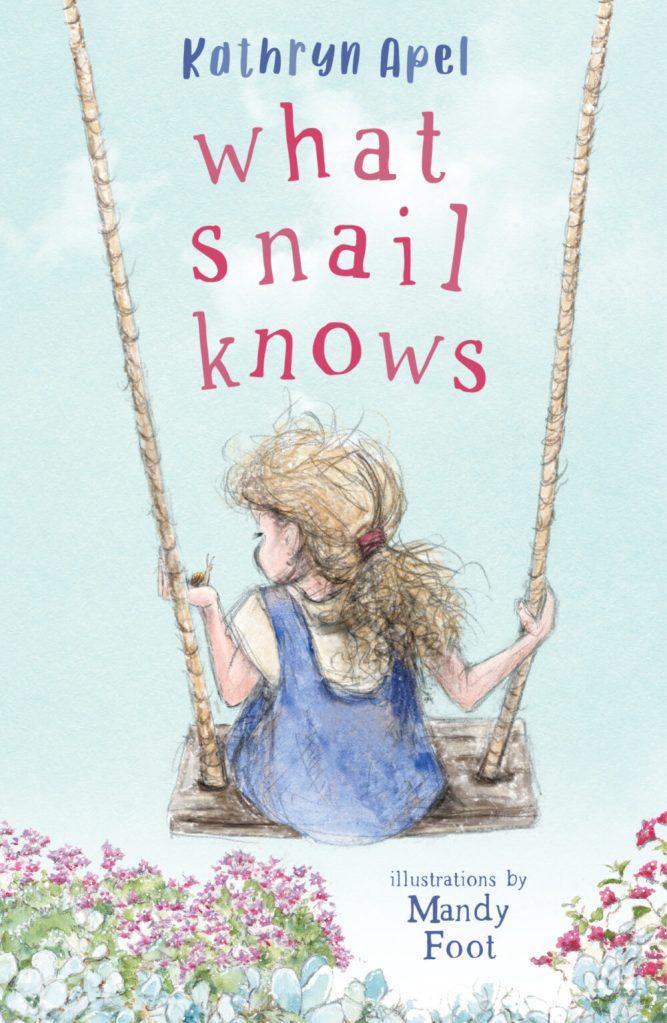
Image shows the cover of a children's verse novel: What Snail Knows by Kathryn Apel and illustrations by Mandy Foot. The cover illustration shows a small girl in a blue pinafore dress over a yellow tshirt. She's sitting on a swing, holding up a tiny snail in her left hand. She has messy hair pulled back into a loose ponytail. There's a flowerbed underneath the swing.

REVIEWED BY ANWEN, 8, WA

What Snail Knows by Kathryn Apel, illustrated by Mandy Foot, UQP, ISBN 9780702265464

The publisher provided a review copy of this book.

I really enjoyed this book. I recommend it for 7 and older. It is a chapter book and has the loveliest illustrations. The artworks are beautiful and detailed. It is a verse novel which means it is a novel but it is like a poem. The words are sometimes in shapes. 

Lucy is the main character. She is kind, calm and lonely. Lucy only has her dad and moves to different places a lot. Lucy asks questions about her family, but her dad doesn’t like to talk about it. Her mum, grandparents and other family are a mystery to her.

Snail is Lucy`s pet and only friend. He means a lot to Lucy. Snail lives in a box in Lucy`s caravan. Lucy only has Snail and her dad until she meets Tahnee. She finally finds a place she likes. But the question is will she stay?

Read our interview with the author of What Snail Knows


Anwen is a regular book reviewer for Alphabet Soup. You can read more of her reviews here. If YOU would like to send us a book review, check out our submission guidelines. Happy reading!
Posted in authors, interviews, poetry

Kathryn Apel and What Snail Knows

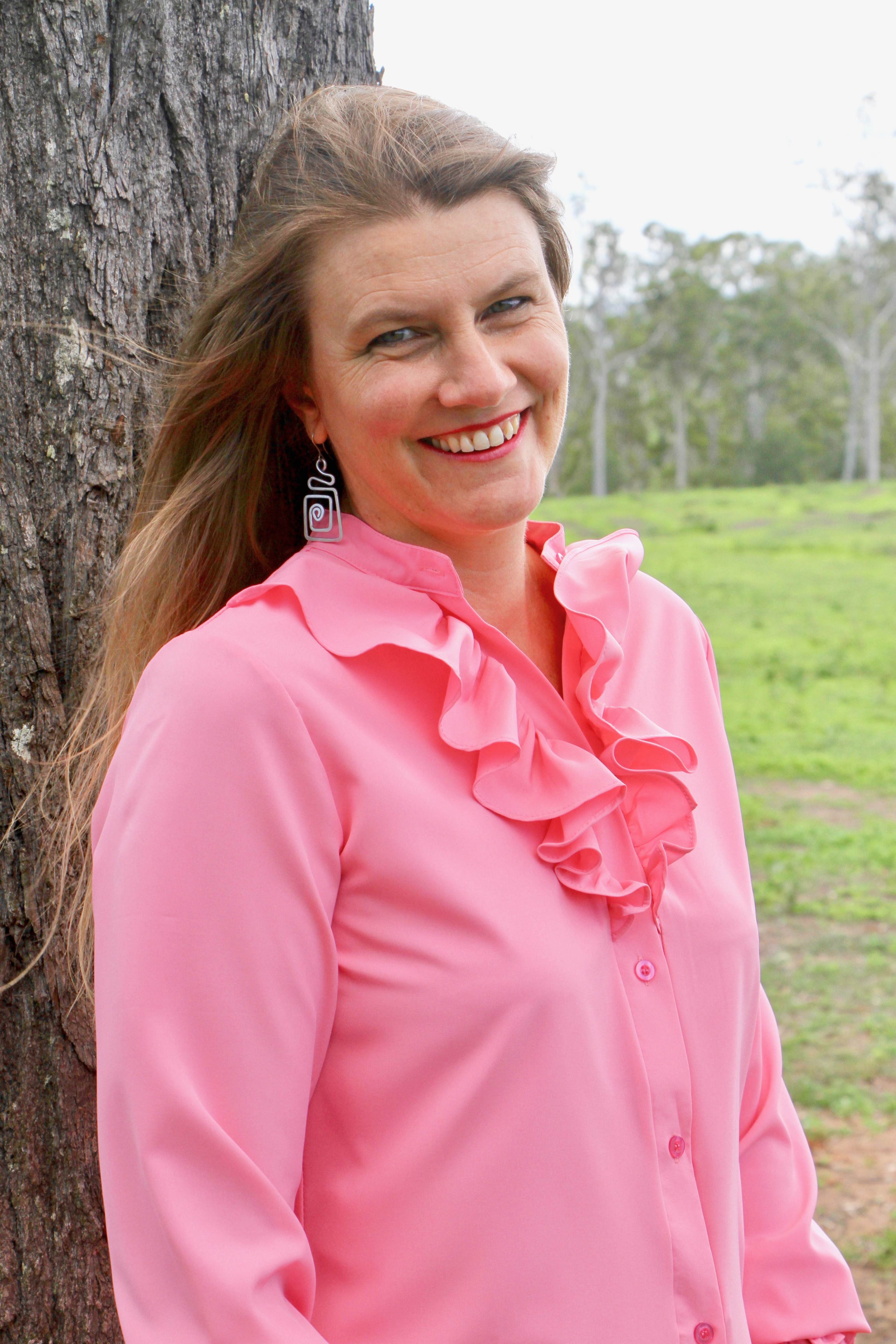
Kathryn Apel lives among the gum trees, cattle and kangaroos on a Queensland grazing property, where she writes poetry, picture books and verse novels. Her previous books include Bully on the Bus, Too Many Friends, and The Bird in the Herd. Kathryn’s latest book is What Snail Knows, illustrated by Mandy Foot, and we’re thrilled to chat to her about the book today.

From the publisher:

Lucy’s glad she has Snail, the perfect pet for a lonely girl. If only she had her own shell to hide in every time she started at a new school. But this place is different. She likes her teacher, Miss Darling. She likes her classmates, especially Tahnee. She even likes Mei-hui’s van park, where she lives with Dad and Snail. This place feels like home. Can she convince her dad to stay?

You’re well-known for your verse novels, did you know you’d write this as a verse novel when the story idea first came to you?

I did not! I was talking with a friend about the ‘How Can I Help?’ unit I’d team-taught a number of years earlier, and my friend commented that it would make a great book. I was in the middle of prepping two picture books for print at the time (Up and Down on a Rainy Day and The Bird in the Herd) and I couldn’t imagine how to squeeze ‘How Can I Help?’ into a picture book. But 6 weeks later I realised it could be a verse novel. And I was very quickly excited about that idea!

How did you go about writing What Snail Knows? Did you write a plan before you begin working on the story?

My story plan unfolds as I’m writing. When I get some words on the page, I stop and think about the character more. Is the voice distinctive? What does s/he want? What could cause the problem? 

And that’s how this started … ‘It’s just you and me. We don’t need nobody else.’ I was thinking about my character and wondering how s/he could link in with ‘How Can I Help?’ when I realised I already knew her. And I didn’t need to create a whole class of characters for this story. I already had them! They were in my verse novel, Too Many Friends. The voice I had found was Lucy’s – the quiet girl who was always alone. I did wonder how I was going to fill a book when Lucy doesn’t say much … But she thinks. A lot. And she shares her thoughts with Snail.

I can tell you that there is a lot of stress when you’re 3/4 of the way through your first draft and you still don’t know what happened to your main character’s mum … or why they have to move a lot. Usually I know how a story will end … just not how it will get there. But this time I didn’t even know the ending. Would Lucy and her Dad have to move again? Why? How did things change and resolve? I had no idea, and I was very worried that I wouldn’t be able to finish this book! So – I wouldn’t say I recommend not planning …

Did you talk with Mandy Foot about the illustrations? Do you consider illustrations at all when you’re writing?

I didn’t know there were going to be illustrations – so I didn’t consider them when I wrote. And I didn’t talk to Mandy about them. But I loved them. That tangle of hair, the dirty smudges, and that sweet little face. Finding the right place for them in the story was a bit like a jigsaw – but when the puzzle was complete,  those little line drawings surprised me with the emotions they squeezed from the poetry. They captured the aloneness … And the moments of connection between Lucy and Snail, Lucy and Dad and finally Lucy and Tahnee.

Do you have a tip for young writers who would like to write a verse novel or a verse short story?

  • Say less, best. There are lots of small words we need in sentences that we don’t need in poetry. Cut them out.
  • Play with your words and where they sit on the page. 
  • Try line breaks instead of punctuation.
  • Read your writing aloud. Or better still – get someone to read it aloud to you.
  • Focus on individual poems. Write one poem. Then the next. Forget you’re writing a book and just write lots of small poems that fit together to tell a story. 

Could you tell us a bit about what you’re working on next?

I’m rather excited to have a picture book that has also just gone to print. Miss Understood, illustrated by Beau Wylie, will be released in May 2022 with Scholastic. It’s a romp of a rhyming picture book, as told by the wolf, Miss Understood. She is such a sweetie, and if you have never heard her side of things, you really must read this book, because truly, she has been … misunderstood.

I have a couple of other picture books and verse novels in various stages. And I’m a wee-bit excited about the possibility of another companion title to Too Many Friends and What Snail Knows. I’m still mulling it over in my head – and then I need to do some research. And that may involve me stepping waaaay out of my comfort zone.😬 So it may be a while, yet …

What Snail Knows is out now! Look for it at your favourite bookshop or local library.


AWESOME EXTRAS

Image shows the cover of a children's verse novel: What Snail Knows by Kathryn Apel and illustrations by Mandy Foot. The cover illustration shows a small girl in a blue pinafore dress over a yellow tshirt. She's sitting on a swing, holding up a tiny snail in her left hand. She has messy hair pulled back into a loose ponytail. There's a flowerbed underneath the swing.

See some Snail poetry by Kathryn Apel on her blog

Read an earlier interview with Kathryn Apel about another verse novel

Download the Teachers Notes from the publisher’s website

Visit Kathryn Apel’s website to learn more about her and her books.

Posted in Book reviews by kids, Book reviews by Rory

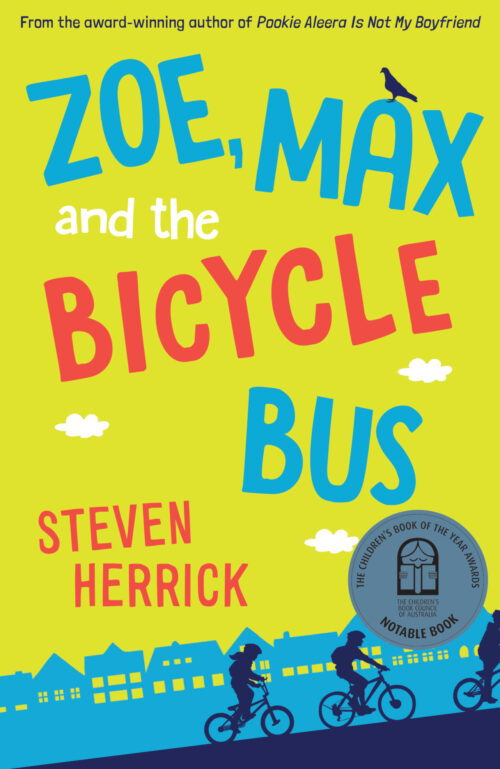
Book review: Zoe, Max and the Bicycle Bus

REVIEWED BY RORY, 9, WA

Zoe, Max and the Bicycle Bus by Steven Herrick, University of Queensland Press, ISBN 9780702263002

The publisher provided a review copy of this book.

Zoe, Max and the Bicycle Bus is a book written in different people’s points of view as well as it’s written in verse

which means the writing
is like a big poem
that goes for the entire book. 

It's like the writing above. 

 Zoe, Max and the Bicycle Bus is a book about eight kids and one teacher (and also a crossing guard, but he doesn’t ride his bike to school) who all love to ride their bikes to school, but each day when they ride to school the cars on the side of the road get closer and closer to the bike lane they all ride in. Can they all stop the cars getting closer in time or is it too late?

My favourite part in the book is when they decide to ride their bikes to school, rather than a car, because cars can pollute the environment.

My favourite character is actually all of them since they work together all the time! Overall, I’d recommend this book to anyone age 9+. I’d rate it nine out of ten, just because with 10 people it’s a bit hard to keep track of the characters!

Zoe, Max and the Bicycle Bus is a funny and inspiring story that I strongly recommend.


Rory is a regular reviewer for Alphabet Soup. You can read more of his reviews here. If YOU would like to send us a book review, check out our submission guidelines. Happy reading!
Posted in Book reviews by Charlotte, Book reviews by Iona Presentation College, Book reviews by kids

Book review: Mina and the Whole Wide World

REVIEWED BY CHARLOTTE, 11, WA (IONA PRESENTATION COLLEGE)

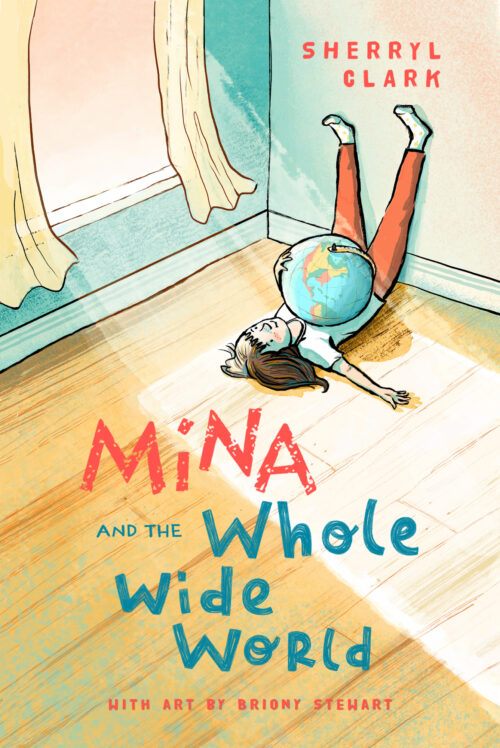
Mina and the Whole Wide World by Sherryl Clark and illustrated by Briony Stewart

Mina and the Whole Wide World by Sherryl Clark, illustrated by Briony Stewart, University of Queensland Press, ISBN 9780702263231

The publisher provided a review copy of this book.

This is the story of Mina, a young girl, and her parents one day decide to take in a refugee boy. At first, Mina is shocked and upset, but when the boy, Azzami, moves in, she starts to discover his full story …

This heart-warming and emotional story is wonderful and easy to read. I thought that using the idea of a refugee child was sure to make people think about refugees differently. After reading this book, I learned that there are more to refugees than just being poor and homeless. I felt sorry for Azzami, who was always picked on and teased at school, but as Mina soon learned, there was more to him than she thought.

I would definitely recommend this book to children. It certainly touched my heart and shared a powerful message. I would suggest that kids aged around Year 4 to 6 will enjoy this amazing story!

Read Alphabet Soup’s interview with the author of Mina and the Whole Wide World.


Iona Presentation College students are members of Alphabet Soup’s review team. This is Charlotte’s second review for Alphabet Soup. Read another review by Charlotte here. If YOU would like to send us a book review, check out our submission guidelines. Happy reading!
Posted in Book reviews by Iona Presentation College, Book reviews by kids

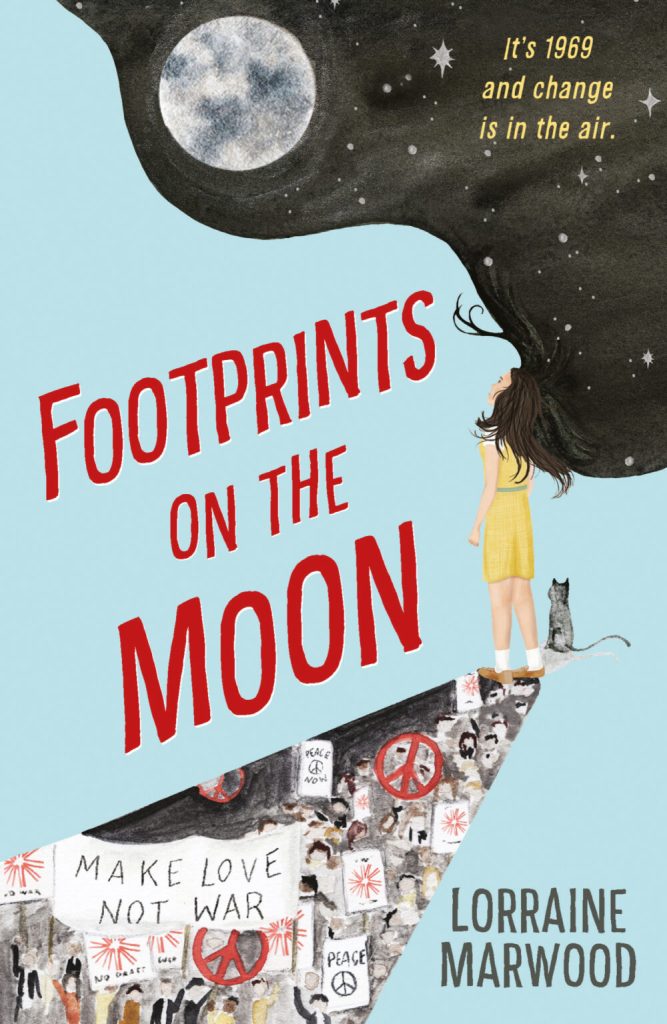
Book review: Footprints on the Moon

REVIEWED BY CHARLOTTE, 11, WA (IONA PRESENTATION COLLEGE)

Footprints on the Moon by Lorraine Marwood

Footprints on the Moon by Lorraine Marwood, UQP, ISBN 9780702262838

The publisher provided a review copy of this book.

Sharnie Burley is in her early teens and is struggling with the problems of life. The year is 1969, around the time of the first moon landing and the Vietnam war. Sharnie’s sister Cas meets a soldier who has returned from the Vietnam war, after being conscripted. Cas becomes an anti-war protester, which causes conflict within the family …

The story is told through the eyes of Sharnie, as she starts to deal with the difficulties of adolescence. She is beginning her high school journey and finding it difficult to make new friends. It is a story about family relationships and growing up in challenging times.

This captivating and engaging story is easy to read and has an interesting storyline. I think that this book would suit children aged around 10-13 and I would definitely recommend it!

Read our interview with the author of Footprints on the Moon.


Iona Presentation College students are members of Alphabet Soup’s review team. This is Charlotte’s first review for Alphabet Soup. If YOU would like to send us a book review, check out our submission guidelines. Happy reading!