Posted in info

Three Quick Questions: Sheryl Gwyther (#9)

All through October, Alphabet Soup is celebrating turning three. We have heaps of writers and illustrators stopping by to answer THREE QUICK QUESTIONS and today’s visitor is author Sheryl Gwyther—her most recent book is Charlie and the Red Hot Chilli Pepper.

Charlie and the Red Hot Chilli Pepper cover

1. Where do you like to write?

I have a study to write in, but I can write anywhere (if I’m in the writing mood). Funny thing, though, the place where I write a first draft reminds me of that time whenever I go there—like on our back deck, where I wrote the first draft of Singing the Wires and the words poured out of my head. Luckily, it’s all good memories.

2. Can you name a book you’d recommend to our readers?

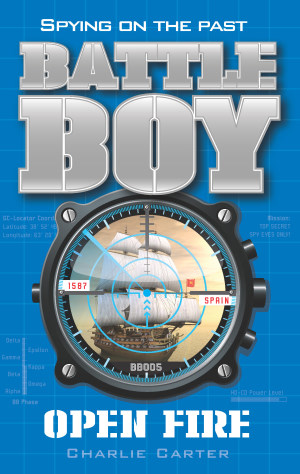
Just finished John Heffernan’s book Battle BoySpying on the Past, written under the name of Charlie Carter. It’s the first in a series of exciting, short adventure books for young readers. Easy to read, gripping and cleverly bringing the past alive when a young boy—Napoleon Augustus Smythe—hurtles back through time and into … the big battles of the past. Lots of techo stuff (and illustrations) to intrigue kids.

Battle Boy (cover)
Sheryl Gwyther recommends Battle Boy by Charlie Carter


3. Can you offer a word or phrase that kids could use for inspiration if they have writer’s block?

Sheryl Gwyther
Sheryl Gwyther

Rather than one word or phrase, I use my ‘Double Trouble Game’—think of two words that are ‘bad roommates’, put them together and ask, ‘What If? I used this method to get the ideas flowing for my story Princess Clown. Also for my work-in-progress, Fangus Fearbottom (fang and banana—yes, bad room mates!)

Find out more about Sheryl Gwyther and her books—visit her website and check out her 4Kids blog, too.

Sheryl’s most recent book, Charlie and the Red Hot Chilli Pepper is available from Pearson Australia.

© October 2011 “Three Quick Questions with Sheryl Gwyther” by Rebecca Newman (Alphabet Soup magazine)

(Psst … see you back here tomorrow, when author Aleesah Darlison answers our Three Quick Questions.)

Posted in info

Three Quick Questions: Cristy Burne (#8)

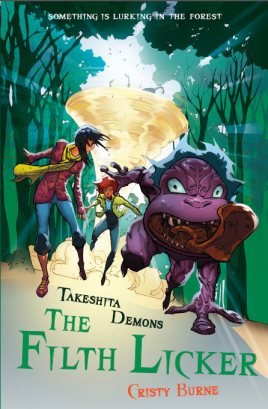
All through October, Alphabet Soup is celebrating turning three. We have heaps of writers and illustrators stopping by to answer THREE QUICK QUESTIONS and today’s visitor is Cristy Burne, author of the Takeshita Demons books.

Takeshita Demons (cover)The Filth Licker (cover)


1. Where do you like to write?

In a café, on my laptop, with a chilli hot chocolate somewhere nearby. I like writing in cafés because it usually means I have two or three hours of uninterrupted time.

2. Can you name a book you’d recommend to our readers?

I usually read action-adventure-fantasy stories, but lately I’ve been trying some different genres. Most recently, I loved Meg McKinlay’s Duck for a Day … it’s quirky and clever and fun. I also loved Warning! Aliens are Invading the School! by Dinah Capparucci—it’s Very Funny!

Duck for a day (cover)
Cristy Burne recommends Duck for a Day by Meg McKinlay
Warning! Aliens are invading the school! (cover)
Cristy also recommends Warning! Aliens are Invading the School! by Dinah Capparucci


3. Can you offer a word or phrase that kids could use for inspiration if they have writer’s block?

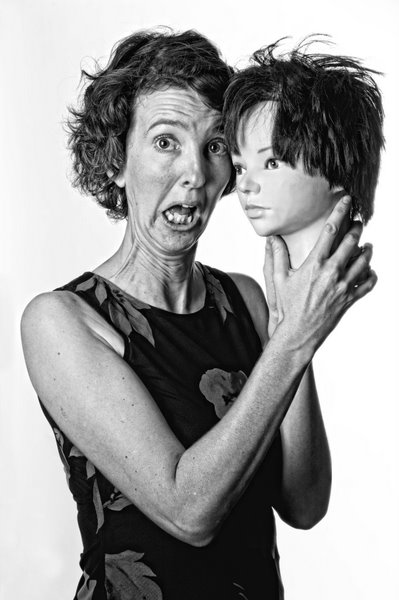
Cristy ... and head
Cristy ... and head

“headless”

I like to write scary stories about strange monsters and spooky demons, so “headless” is a great start for imagining a new kind of creature. It opens up lots of nice questions: Why is it headless? Does it miss its head? Does it have any extra bits to make up for its missing head? Is it attacking me? Is it making me a cup of tea?

Find out more about Cristy Burne and Takeshita Demons—visit her website and check out her blog.

© October 2011 “Three Quick Questions with Cristy Burne” by Rebecca Newman (Alphabet Soup magazine)

(Psst … see you back here tomorrow, when author Sheryl Gwyther answers our Three Quick Questions.)

Posted in info

Three Quick Questions: Tania McCartney (#6)

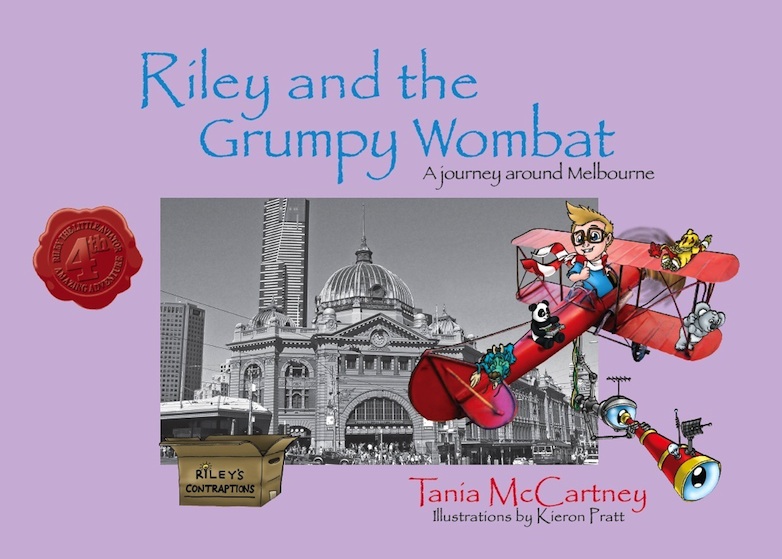
All through October, Alphabet Soup is celebrating turning three. We have heaps of writers and illustrators stopping by to answer THREE QUICK QUESTIONS and today’s visitor is Tania McCartney, author of the ‘Riley the Little Aviator’ series. The latest is the series is Riley and the Grumpy Wombat.

Riley and the Grumpy Wombat (cover)

1. Where do you like to write?

In my trackie dacks. All hail the trackie dacks! I write from within these dacks … though of course, I don’t use my legs to type. I suppose I could get little teensy trackie dacks made for my fingers? I also like to write in cafés with my laptop, although I don’t wear my trackie dacks to the café. If you saw my trackie dacks, you’d know why.

2. Can you name a book you’d recommend to our readers?

I read the new Dr Seuss book—The Bippolo Seed and Other Lost Stories—and it wasn’t even published yet, so I felt very special seeing it so early. My heart was thumping out of my chest when I first picked it up. It thumped so hard, I had to give the book a hug to calm my heart down. I know I don’t need to recommend a new Dr Seuss book, because if you’re a reader, you’ll know how good the book will absolutely most certainly be. So I won’t say a thing. Except “read it”!


The Bippolo Seed (cover)
Tania McCartney recommends The Bippolo Seed and Other Lost Stories by Dr Seuss

3. Can you offer a word or phrase that kids could use for inspiration if they have writer’s block?

Onomatopoeia. (That’s all those funny words that sound like something—crash, tinkle, splash, squelch … you can use them to kick-start any sentence.)

Tania’s latest book—Riley and the Grumpy Wombat: a journey around Melbourne—is out now. See more on Tania’s books at www.taniamccartney.com or visit her book character Riley at his own blog—www.rileyaviator.blogspot.com. Make sure you stop by www.kids-bookreview.com for some really cool book reviews and author/illustrator interviews, too!

© October 2011 “Three Quick Questions with Tania McCartney” by Rebecca Newman (Alphabet Soup magazine)

(Psst … see you back here tomorrow, when author- illustrator Mark Wilson answers our Three Quick Questions.)

Posted in info

Three Quick Questions: James Foley (#5)

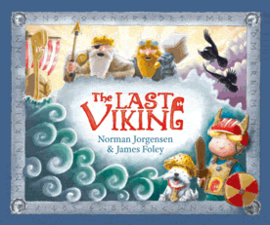
All through October, Alphabet Soup is celebrating turning three. We have heaps of writers and illustrators stopping by to answer THREE QUICK QUESTIONS and today’s visitor is James Foley, illustrator of picture book The Last Viking (by Norman Jorgensen).

"The Last Viking (cover)"

1. Where do you like to draw?

My favourite place to draw is in my room, really early in the morning, while it’s still quiet, before the pets wake up … penguins can be very noisy when they’re hungry, and spider monkeys are incredibly grouchy until they’ve had a cup of tea and some toast.

2. Can you name a book you’d recommend to our readers?

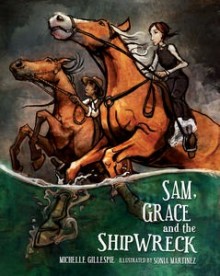
Sam, Grace and the Shipwreck written by new author Michelle Gillespie, illustrated by the incredibly talented Sonia Martinez. It’s coming out this month (October) and looks amazing. It’s the true story of how Sam Isaacs and Grace Bussell saved the crew and passengers of the Georgette when it was wrecked off the South West coast of WA a long time ago.

Sam, Grace and the Shipwreck, recommended by James Foley as a good read!

3. Can you offer a word or phrase that kids could use for inspiration if they have writer’s or illustrator’s block?

” … and that’s why my mum joined the circus.”

Find out more about James Foley and his books—visit his website and check out the official Last Viking blog.

© October 2011 “Three Quick Questions with James Foley” by Rebecca Newman (Alphabet Soup magazine)

(Psst … see you back here on Monday, when author Tania McCartney answers our Three Quick Questions.)

Posted in info

Three Quick Questions: Susan Stephenson (#4)

All through October, Alphabet Soup is celebrating turning three. We have heaps of writers and illustrators stopping by to answer THREE QUICK QUESTIONS and today’s visitor is Susan Stephenson, also known as The Book Chook, and author of Monster Maddie.

"Monster Maddie cover"

1. Where do you like to write?

We have a tree in our garden called the Thinking Tree. There’s a seat at its base where I love to sit, because it’s so peaceful there. I scribble and think, think and scribble, and listen to what my characters have to say.

2. Can you name a book you’d recommend to our readers?

One of my favourite books is Into the Unknown: How Great Explorers Found Their Way by Land Sea and Air. It was written by Stewart Ross, illustrated by Stephen Biesty, and published by Walker Books. I loved its stories about real-life explorers, and also all the maps and foldouts and the fantastic detailed drawings. Find out more about it in my review at The Book Chook. 

Into the Unknown (cover)

3. Can you offer a word or phrase that kids could use for inspiration if they have writer’s block?

I think the very best phrase to use when stuck is “what if … ?” What if my hero falls flat on his face in front of the dragon? What if a raven swallowed the ring? What if the bully has a phobia about grasshoppers? That question has taken my stories in many surprising directions!

Susan Stephenson is a writer who lives about as far east as you can go on Australia without falling off. She loves reading, writing and pretending to be a chicken. Susan writes a blog about children’s literature, learning and literacy at The Book Chook.

© October 2011 “Three Quick Questions with Susan Stephenson” by Rebecca Newman (Alphabet Soup magazine)

(Psst … check back tomorrow, when illustrator James Foley answers our Three Quick Questions.)

Posted in info

Three Quick Questions: Wendy Orr (#3)

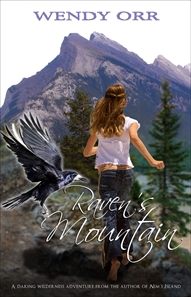
All through October, Alphabet Soup is celebrating turning three. We have heaps of writers and illustrators stopping by to answer THREE QUICK QUESTIONS and today’s visitor is Wendy Orr, author of Nim’s Island, Raven’s Mountain and many more.

Nim's island (cover)"Raven's Mountain (cover)"


1. Where do you like to write?

I’d love to say that it’s sitting on my favourite log out in the bush—but it’s actually at my desk. It’s a lot easier for my imagination and mind to fly free if my body is comfortable and in a good posture for writing—boring but true!

2. Can you name a book you’d recommend to our readers?

I’ve just finished City of Lies, the second in The Keepers trilogy by Lian Tanner. It was just as wonderful as the first (The Museum of Thieves).

City of Lies (cover)

3. Can you offer a word or phrase that kids could use for inspiration if they have writer’s block?

Midnight.


Find out more about Wendy Orr and her books—visit her website and her blog and check out the Nim’s Island blog, too. (Plus, read our May 2011 Q&A with Wendy Orr.)

© October 2011 “Three Quick Questions with Wendy Orr” by Rebecca Newman (Alphabet Soup magazine)

(Psst … check back tomorrow, when author Susan Stephenson—aka The Book Chook— answers our Three Quick Questions.)

Posted in info

October is Birthday Month!

balloonsWe’re very excited about October because October is our Birthday Month. And this year we’re turning THREE.

So, three is our favourite number for a month. We have a three-themed writing competition, we’ll be giving away three writers’ journals later in the month (over three days) and from 3rd October we’ll have a stream of writers and illustrators stopping by the blog all month to answer THREE QUICK QUESTIONS.

All our writers and illustrators will be answering the same three questions:

1. Where do you like to write/draw?

2. Can you name a book you’d recommend to our readers?

3. Can you offer a word or phrase that kids could use for inspiration if they have writers’ block?

See you back here on Monday!

Posted in info, teachers' resources

Activities and music list for issue 12


For each issue of the magazine (starting with issue 7), we will add activities and a themed listening list to this page. Enjoy!

ISSUE 12—SPRING 2011


Alphabet Soup magazine, spring 2011

ACTIVITIES

for Issue 12—SAIL AWAY!

1. MAKE a pirate’s treasure map. Hide something in your garden (or in your house if it’s raining). Then on a large piece of paper, draw a map so someone else can find the treasure. Use footsteps and arrows to show the way to go. Include some landmarks (like the tree with the tyre swing, or the kitchen table). Mark the hiding place with a red X. Give the map to a fellow pirate—can they find the treasure using your map? (Tip: make your pirate map look old and authentic by using a damp tea-bag to stamp all over it. When it is dry, roll up your map and tie it with a piece of string. Arrr!)

2. PLAY Ship to Shore (sometimes called Captain’s Coming!). One person becomes the captain and shouts out commands to the group—like ‘Ship!’ (everyone must run to the side of the room designated as the ship), ‘Shore!’ (run the other way), ‘Captain’s Coming’ (stand still and salute), ‘Shark!’ (lie on stomach and swish tail). Anyone who fails to follow a command correctly is ‘out.’ For a list of commands (and some more detailed instructions) visit the myplaygroundgames blog.

3. MAKE an origami boat: Using paper-folding techniques, make some paper boats to sail. Here are some instructions. 

4. EXPERIMENT—float or sink?: Grab a variety of objects from around your house or garden (check with a parent that it’s OK) e.g. a feather, an apple, a pumpkin, a plate, a paperclip, a coin. Try to predict which objects will float and which will sink. Were you right?


MUSIC LISTENING LIST

Our listening list is compiled by Danielle Joynt, from Cantaris. Danielle has also included comments for some of these pieces. (Tip: Ask about CDs at your public library—libraries often have a good collection of CDs for loan if you prefer not to buy.)

1. SEA PICTURES

1. Sea Pictures is a song cycle by the English composer Sir Edward Elgar, consisting of five songs written by various poets.

The songs and poets are—

A. Sea Slumber Song by Roden Noel
B. In Haven (Capri) by Caroline Alice Edgar (the composer’s wife)
C. Sabbath Morning At Sea by  Elizabeth Barrett Browning
D. Where Corals Lie by Richard Garrett
E. The Swimmer by Adam Lindsay Gordon

Adam Lindsay Gordon, although born in the Azores and educated in England, lived most of his life in Australia. His collection—Bush Ballads and Galloping Rhymes—is regarded as one of the most important pieces of Australian literature.

Sea Pictures was composed in 1899 and premiered the same year with the famous contralto Dame Clara Butt singing, dressed as a mermaid! Two weeks later Dame Clara performed the cycle for Queen Victoria at Balmoral.

2. DRUNKEN SAILOR (WHAT SHALL WE DO WITH THE DRUNKEN SAILOR?)

The music for Drunken Sailor was taken from a traditional Irish dance and march tune Oró Sé do Bheatha ‘Bhaile (“Oró, you are welcome home”).

First appearing in print as a sea shanty (shipboard working song) in 1824, the song was widely sung when hand-over-hand hauling on ships. It was also known as “Early In The Morning”.

The Australian composer Percy Grainger used the song and lyrics in his work Scotch Strathspey And Reel.

The main theme from the first movement of Piano Concerto No. 2 in F Major by Shostakovich mimics Drunken Sailor.

The melody of Drunken Sailor is often used in SpongeBob Squarepants!

3. LA MER

La Mer (The Sea) by the French composer Claude Debussy is a shimmering musical sketch inspired by the sea.  Debussy’s use of  instruments to create soundscapes and moods was groundbreaking for the time.

Movement 1 “From dawn to noon on the sea” is an instrumental mixture of floating colours. The music seems to wander around, never settling in to any form. The composer Erik Satie joked that he liked the part at 11.15am!

Movement 2  “Play of the waves” is much livelier, with orchestral swells imitating the waves.

Movement 3 “Dialogue of the wind and the sea” is very dramatic, illustrating the clashing forces of the wind and the ocean.

Although La Mer was not initially well-received when it premiered in France in 1905— due to lack of rehearsal—it soon became a great favourite of audiences at subsequent performances.

One American critic wasn’t so impressed however; he thought a better title would have been “Mal de Mer” which means seasick!

4. CALM SEA / PROSPEROUS VOYAGE

Calm Sea and Prosperous Voyage is the name given to two much-loved pieces of music—a 1815 cantata by Beethoven and an 1828 concert overture by Mendelssohn—both set to poems by the German writer Goethe. Beethoven’s piece is dedicated to Goethe.

The poems are not synonymous; however, in the days before steam, a totally calm sea was cause for alarm—it is only when the wind rises that the ship can continue its voyage.

The first half of Beethoven’s cantata depicts a ship becalmed, the second half, its success in resuming its voyage.

Mendelssohn’s overture (inspired by Beethoven’s work—and in the same key, D Major) finishes with a fanfare of trumpets, suggesting the ship’s safe arrival at its final destination.

See the activities and the themed listening list for issue 11 (winter 2011)

See the activities and the themed listening list for issue 10 (autumn 2011)

See the activities and the themed listening list for issue 9 (summer 2010).

See the activities and the themed listening list for issue 8 (spring 2010).
Posted in info

Book Launch of Chantelle’s Cloak by Lorraine Marwood (VIC)

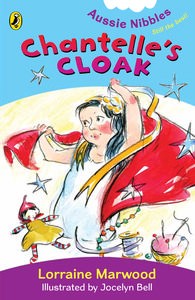
Chantelle's Cloak (cover)If you live in Bendigo (Victoria), come along to the launch of Chantelle’s Cloak, the new Aussie Nibble by Lorraine Marwood (ill. Jocelyn Bell)

This family event will feature a reading from Narelle Stone, live harp music, sales and signings, and cup-cakes.

Guests are invited to wear a cape and participate in a Magical Cape Parade to be in the running to win great prizes.

Where: Bendigo Library, 259 Hargreaves St, Bendigo VIC

When: Wednesday September 28, 2011 6pm to 7pm

Ages: All ages!

RSVP: Tammy Higgs (03) 54492771 or e.tammyh@ncgrl.vic.gov.au

READ AN EXTRACT of the book on the publisher’s website.