Posted in authors, Christmas, illustrator

10 things you might not know about Snowy’s Christmas (and win your own copy!)

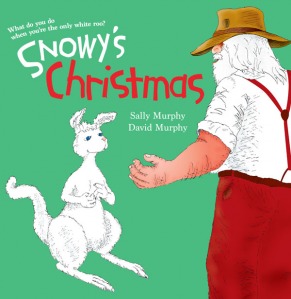
Snowy's Christmas (cover)Today I am talking to Sally Murphy and David Murphy, author and illustrator of Snowy’s Christmas (reviewed in an earlier post). We asked Sally and David to share 5 things each – things you might not already have heard about their book!
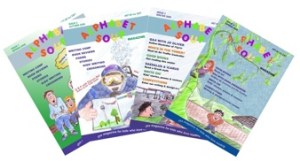
You’ll find their answers if you read on. But before you do – we have one copy of Snowy’s Christmas to give away!

If you’d like a chance to win, email editor@alphabetsoup.net.au and tell me the date that David finished the final illustration of the final draft. (Hint: he tells you below!) I’ll put all the entries in a santa hat and draw out the winning name on 25 October 2009.

Now – over to you Sally and David!

Sally:

1. Snowy’s Christmas was inspired by the story of Rudolf the Red Nosed Reindeer. I have always bought lots of Christmas books for my own children, and when I bought a new version of Rudolf, it set me thinking about how people adapt and retell stories. I started thinking about how I could retell the story in an Australian setting – and wrote the earliest draft of this story.

2. It took several years from writing Snowy’s Christmas to sending it to a publisher. After I had written the story, I was at a conference where I heard a publisher say that Australian publishers were not interested in seeing manuscripts for Christmas and other seasonal stories, because it was cheaper to import them. I believed her, and so didn’t persevere with the story (though I did once submit it to a website, which then closed down – hopefully not because I’d submitted to them).  Then, a few years ago publishers did start producing Australian Christmas stories, very successfully.  But it took for Linsay Knight, the publisher at Random House, asking if I could adapt a manuscript of mine she was interested in  for the Christmas market before I finally submitted Snowy. And boy am I glad I did.

3. I really have seen a white kangaroo – in fact several, at a wildlife park in Western Australia. You can see a  photo here: http://wwwcavershamwildlife.com.au/feed-kangaroos.html I don’t know a lot about them, but believe they are not albino, but fairly rare.

4. The book was illustrated by my brother-in-law David. Okay, you might have already known that, but did you know that it is very rare for the  author and illustrator to get to choose each other? Usually this is a decision made by the publisher. In this case, though, Linsay from Random House  actually asked me to have David do some sample illustrations when I submitted the manuscript. I had known Linsay for quite some time and she met David when she sat with us at a conference breakfast. I think maybe she liked us, or at least the novelty of a family team.  It was fun, and also special, to get to work with David.

5. The first draft of Snowy’s Christmas was about 1600 words – too long for a picture book. I did manage to cut it down to about 1000 words before I submitted it to Random House, but during the editing process we reduced it even further – it’s only about 600 words now.  Picture book texts need to be short  for young readers and often there is a lot  that can be shown in the illustrations without needing to be told in the text.

David:

1. The illustrations for Snowy were sketched entirely with my left hand using pencils. I then used my right hand to ink the line work. After that, the line art was scanned and I completed the colouring using my computer. For each illustration there were multiple sketches before the right one was found. I would have drawn each page 6–10 times.

2. Snowy’s red roo friends were based on a mob of kangaroos who live in the bushland near my house. I was particularly interested in the joeys who spent hours chasing each other around and boxing.

3. All the white boomers have names and their own stories. Sally, Kimberley (the editor) and I discussed who they were and what their personalities were. These completed their characters in my mind and allowed me to create more meaningful illustrations.

4. The very first sketch I did for the book was of Snowy and his mum. He was quite small, which made me worry if he would be strong enough to pull the sleigh, so I made him a bit bigger.

5. The final illustration for the final draft was completed on Christmas Eve!

If you want to find out more about the book, Snowy’s Christmas has its own website: http://aussiechristmas.wordpress.com/ (You can even hear David in a radio interview!)

And the book is going on a blog tour in the lead-up to Christmas. Here’s where you’ll find Sally and/or David talking about Snowy:

Week One: October 4

Deescribe Writing Blog

www.deescribewriting.wordpress.com

Week Two: October 11

Write and Read With Dale

http://livejournal.com/users/orangedale/

Week three: October 18

Alphabet Soup Blog (YOU’RE HERE!)

www.soupblog.wordpress.com

Week Four: October 25

Let’s Have Words

www.letshavewords.blogspot.com

Week Five: November 1

Sally Murphy’s Writing for children Blog

http://sallymurphy.blogspot.com/

Week 6: November 8

Aussiereviews Blog

http://aussiereviews.blogspot.com/

Week 7: November 15

Samantha Hughes’ Blog

http://samantha-hughes.blogspot.com/

Week 8:

Robyn Opie’s Writing Children’s Books Blog

http://www.robynopie.blogspot.com

Week 9:

Stories are Light

http://sandyfussell.blogspot.com/

Week 10:

The Aussie Christmas Blog

http://aussiechristmas.wordpress.com/

Week 11:

Tales I Tell

http://belka37.blogspot.com

Posted in authors

Meet Dragonkeeper’s author on October 3rd!

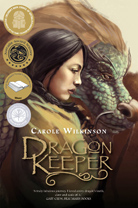
If you live in Melbourne, and you love Dragonkeeper, you can meet the author,dragonkeeper Carole Wilkinson, hear her do a reading from the book, and get your book signed!
When: Saturday October 3 2009, from 12.30 pm

Where: Angus & Robertson, 360 Bourke St, Melbourne

And: This book signing is part of the ‘Kids’ Fun Day’ to celebrate the launch of the new Angus & Robertson Kids’ Top 50 list. (Kids can come dressed as their favourite book characters!)

More info: Angus & Robertson, Bourke Street (Tel: 03 9670 8861)

Posted in authors, info

Win 4 issues of Alphabet Soup!

We are nearing the end of our week-long blog tour. We’ve had a great time visiting Alphabet Soup's first 4 issues!Australian authors on their blogs, and celebrating Alphabet Soup‘s first birthday issue!

Today don’t forget to pop by author Robyn Opie’s blog (Writing Children’s Books) – where you could win a set of the first 4 issues of Alphabet Soup! Good luck!

(And if you’ve just joined us – welcome! – you can check out our earlier blog visits on the list below.)

BLOG TOUR DATES:

1 September What led the publisher to start Alphabet Soup magazine?

Dale Harcombe (Write and Read With Dale)

http://www.livejournal.com/users/orangedale

-~-

2 September What goes into ‘whipping up’ an issue of the magazine?

Sally Murphy (Sally Murphy’s Writing for Children Blog) http://sallymurphy.blogspot.com

-~-

3 September Promotion and Alphabet Soup

Claire Saxby (Let’s Have Words)

http://www.letshavewords.blogspot.com/

-~-

4 September Submissions, and selecting material

Mabel Kaplan (Tales I Tell)

http://belka37.blogspot.com

-~-

5 September Alphabet Soup in the classroom: benefits for teachers

Dee White (Teachers Writing Helper)

www.teacherswritinghelper.wordpress.com

-~-

6 September ‘First birthday’ giveaway. Win a set of the first four issues!

Robyn Opie (Writing Children’s Books)

http://www.robynopie.blogspot.com

-~-

7 September Who’s on the team behind Alphabet Soup magazine?

Sandy Fussell (Stories Are Light) http://www.sandyfussell.blogspot.com

-~-

You can subscribe to Alphabet Soup via our website www.alphabetsoup.net.au

Posted in authors, info

Alphabet Soup in the classroom

Alphabet Soup‘s spring ’09 issue is in the middle of a week-long blog tour to Alphabet Soup's first 4 issues!celebrate the magazine’s first birthday!

Grab a virtual cupcake and line up at the door – today we visit Dee White’s blog: Teachers Writing Helper. We’ll be talking about how Alphabet Soup can be used in the classroom.

BLOG TOUR DATES:

1 September What led the publisher to start Alphabet Soup magazine?

Dale Harcombe (Write and Read With Dale)

http://www.livejournal.com/users/orangedale

-~-

2 September What goes into ‘whipping up’ an issue of the magazine?

Sally Murphy (Sally Murphy’s Writing for Children Blog) http://sallymurphy.blogspot.com

-~-

3 September Promotion and Alphabet Soup

Claire Saxby (Let’s Have Words)

http://www.letshavewords.blogspot.com/

-~-

4 September Submissions, and selecting material

Mabel Kaplan (Tales I Tell)

http://belka37.blogspot.com

-~-

5 September Alphabet Soup in the classroom: benefits for teachers

Dee White (Teachers Writing Helper)

www.teacherswritinghelper.wordpress.com

-~-

6 September ‘First birthday’ giveaway. Win a set of the first four issues!

Robyn Opie (Writing Children’s Books)

http://www.robynopie.blogspot.com

-~-

7 September Who’s on the team behind Alphabet Soup magazine?

Sandy Fussell (Stories Are Light) http://www.sandyfussell.blogspot.com

-~-

You can subscribe to Alphabet Soup via our website www.alphabetsoup.net.au

Posted in authors, info

Submissions to Alphabet Soup magazine

Have you thought about sending in a story or poem to Alphabet Soup magazine? Alphabet Soup's first 4 issues!

This is day 4 of our blog tour to celebrate the magazine’s first birthday, and we’re answering questions about adults’ and kids’ submissions over at Mabel Kaplan‘s blog today. See you there!

BLOG TOUR DATES:

1 September What led the publisher to start Alphabet Soup magazine?

Dale Harcombe (Write and Read With Dale)

http://www.livejournal.com/users/orangedale

-~-

2 September What goes into ‘whipping up’ an issue of the magazine?

Sally Murphy (Sally Murphy’s Writing for Children Blog) http://sallymurphy.blogspot.com

-~-

3 September Promotion and Alphabet Soup

Claire Saxby (Let’s Have Words)

http://www.letshavewords.blogspot.com/

-~-

4 September Submissions, and selecting material

Mabel Kaplan (Tales I Tell)

http://belka37.blogspot.com

-~-

5 September Alphabet Soup in the classroom: benefits for teachers

Dee White (Teachers Writing Helper)

www.teacherswritinghelper.wordpress.com

-~-

6 September ‘First birthday’ giveaway. Win a set of the first four issues!

Robyn Opie (Writing Children’s Books)

http://www.robynopie.blogspot.com

-~-

7 September Who’s on the team behind Alphabet Soup magazine?

Sandy Fussell (Stories Are Light) http://www.sandyfussell.blogspot.com

-~-

You can subscribe to Alphabet Soup via our website www.alphabetsoup.net.au

Posted in authors, info

Day 3 of our blog tour!

Do we have a facebook page? Where can you buy the magazine? Alphabet Soup's first four issues!

Find out by visiting Claire Saxby’s blog (Let’s Have Words) where we are up to day 3 of our week-long blog tour. See you there!

BLOG TOUR DATES:

1 September What led the publisher to start Alphabet Soup magazine?

Dale Harcombe (Write and Read With Dale)

http://www.livejournal.com/users/orangedale

-~-

2 September What goes into ‘whipping up’ an issue of the magazine?

Sally Murphy (Sally Murphy’s Writing for Children Blog) http://sallymurphy.blogspot.com

-~-

3 September Promotion and Alphabet Soup

Claire Saxby (Let’s Have Words)

http://www.letshavewords.blogspot.com/

-~-

4 September Submissions, and selecting material

Mabel Kaplan (Tales I Tell)

http://belka37.blogspot.com

-~-

5 September Alphabet Soup in the classroom: benefits for teachers

Dee White (Teachers Writing Helper)

www.teacherswritinghelper.wordpress.com

-~-

6 September ‘First birthday’ giveaway. Win a set of the first four issues!

Robyn Opie (Writing Children’s Books)

http://www.robynopie.blogspot.com

-~-

7 September Who’s on the team behind Alphabet Soup magazine?

Sandy Fussell (Stories Are Light) http://www.sandyfussell.blogspot.com

-~-

You can subscribe to Alphabet Soup via our website www.alphabetsoup.net.au

Posted in authors, teachers' resources

Two book reviews: Bush Secrets, and The Great Cold

Waarda is Nyungar for talking and sharing stories and information. And it is also the name of a new Indigenous children’s series launched this week to coincide with Indigenous Literacy Day!

We’ve read the first two books in the series, Bush Secrets, and The Great Cold, and we loved them. So, we thought this might be a good day to share them with you! As well as some great stories, at the back of each book you can read a bit about the authors, and where they grew up.

Bush Secrets by Tjalaminu Mia and Jessica Lister, illustrated by Tracey Gibbs (Fremantle Press, 2009)

Bush Secrets coverDebbie has two secrets and she doesn’t want to tell her brother, Billy, because she doesn’t think he ‘really understands what a secret is.’ But when her grandfather, Dada Keen comes for a visit, she knows she can tell him. And Dada Keen has a secret to show Debbie too – a special place in the bush! Debbie hopes that they can go bushwalking to find it, without Billy.
Will Dada Keen bring Billy with us when we go bushwalking tomorrow? I hope not. I’ve never had a special outing on my own with Dada Keen. It would be lovely if, for once, it could just be the two of us.

I cross my fingers and make a wish. Please let me go bushwalking with Dada Keen alone tomorrow.

Will my wish come true?

This book was written by a grandmother and her granddaughter. They show what’s special about the Australian bush, and how important it is to look after it.

The Great Cold by Gladys Milroy, illustrated by Tracey Gibbs (Fremantle Press, 2009)

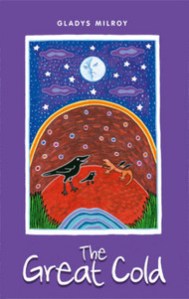
The Great Cold (cover)‘The Great Cold is coming,’ said Magpie as Crow shivered in her nest.

‘You must leave before it’s too late.’

Ever since Moon became jealous of Sun and started a battle, everything had changed. If Moon won, there would be no light left, and everything outside the cavern would freeze. Crow is sitting on an egg in her nest and she doesn’t want to leave it. She decides to try to fly to the cavern with her nest in her beak. Will she make it in time? The Goannabird is her friend. But, on his own, can he stop the Great Cold from spreading?

This is a story about friendship and bravery, and about working together to help everyone in your community.

(Teachers can request free teaching notes for both of these books by emailing Claire Miller at Fremantle Press.)

Our review copies were sent to us by Fremantle Press
Posted in authors, info

What goes into ‘whipping up’ an issue of Alphabet Soup?

We’re taking Alphabet Soup on a blog tour to celebrate the magazine’s first Alphabet Soup spring '09 coverbirthday.

Today we are over at Sally Murphy’s blog: Sally Murphy’s Writing for Children Blog.

Find out what goes into ‘whipping up’ an issue of Alphabet Soup. See you over there!

BLOG TOUR DATES:

1 September What led the publisher to start Alphabet Soup magazine?

Dale Harcombe (Write and Read With Dale)

http://www.livejournal.com/users/orangedale

-~-

2 September What goes into ‘whipping up’ an issue of the magazine?

Sally Murphy (Sally Murphy’s Writing for Children Blog) http://sallymurphy.blogspot.com

-~-

3 September Promotion and Alphabet Soup

Claire Saxby (Let’s Have Words)

http://www.letshavewords.blogspot.com/

-~-

4 September Submissions, and selecting material

Mabel Kaplan (Tales I Tell)

http://belka37.blogspot.com

-~-

5 September Alphabet Soup in the classroom: benefits for teachers

Dee White (Teachers Writing Helper)

www.teacherswritinghelper.wordpress.com

-~-

6 September ‘First birthday’ giveaway. Win a set of the first four issues!

Robyn Opie (Writing Children’s Books)

http://www.robynopie.blogspot.com

-~-

7 September Who’s on the team behind Alphabet Soup magazine?

Sandy Fussell (Stories Are Light) http://www.sandyfussell.blogspot.com

-~-

You can subscribe to Alphabet Soup via our website www.alphabetsoup.net.au

Posted in authors, info

Mark Greenwood: but wait, there’s more!

Mark Greenwood is an author with a passion for Australian history. When we Mark Greenwood (Photo by Frane Lessac)interviewed him, Mark  had so many interesting things to say that we had a terrible time trying to decide which bits to leave out! (We had to cut it down to two pages for the magazine’s Q&A.)

You can read his Q&A on pages 4 and 5 of the Spring 2009 issue of Alphabet Soup. But we didn’t want you to miss out on the extra stuff, so we decided to include the whole interview here. (Thanks Mark!)

What do you love best about being a writer?

Being an author has to be one of the best jobs in the world! I get to visit schools and libraries and festivals and meet students of all ages. I spend time with other talented authors and like sharing ideas with creative people.

Fortuyn's Ghost by Mark Greenwood, ill. by Mark WilsonI enjoy researching the past and travelling to where my stories take place, whether that be remote Central Australia for The Legend of Lasseter’s Reef, the Abrolhos Islands for Fortuyn’s Ghost or to Galipolli for Simpson and His Donkey. These adventures are what makes writing special to me.

Where do you live?

I live in a town steeped in history. It is a place of significance for Indigenous people. Convicts built many buildings. It has a spectacular river that runs through its port. It has two prisons, but no prisoners – only ghosts. It has a harbour and a wharf, a gothic arts centre and a town hall clock that chimes every hour. You can get a great coffee where I live. It even has its own AFL football team.

What made you become a writer?

Before I was a writer I was a professional musician. I spent many years touring and recording in Australia and overseas with the record producers and well known musicians. I learnt the language of lyrics by listening to great songwriters and then developed from writing lyrics into creating stories for children. Music has had a big influence on my writing in terms of being aware of the rhythm and flow of words. I associate language and rhythm with pleasure. Initially music was a way for me to connect with people. Now I find writing gives me that connection.

Was it easy to get your first book published?

It took many years, much hard work, many rejections from publishers and numerous hours revising my words before I finally got my first book published. Rejection letters from publishers are like ‘badges of honour’. Every writer I know has collected a few badges.

After having a number of books published I still consider myself a writer with much to learn. To strive to write well is an ongoing, lifelong process. I’m passionate about learning and always trying to improve.

Is there a ‘downside’ to being a writer?

I like the solitude of writing and immersing myself in a character, a time and a place but sometimes the craft of writing can be a lonely one. The only other downside for me is that writing and travelling takes up a lot of my time and I wish there were more hours in the day so I could get behind the drum kit and play with some of my favourite musicians. Our planet has an extraordinary musical diversity. I’ve always been interested in exploring the power and mystery of percussion from cultures around the world.

What was your favourite book as a child?

I don’t have a favourite author because there are so many writers I admire, but the Old Man and the Sea by Ernest Hemingway. That book stands out as one of my favourites. I like the language, the story and the symbolism. My father first read it to me when I was young and it’s a book I’ve re-read many times since. It’s a story of man’s place within nature.  It’s about pride and determination and an honourable old man who will not accept defeat. Hemingway uses characters, objects, figures and colours to represent ideas or concepts. It’s a beautifully written book.

Do you have any pets?

I have goldfish and a cat named Nugget (who sleeps all day long). Over the years we’ve had rabbits and guinea pigs and another tomcat called Milo. But my favourite pet is my faithful dog, Rusty. My daughter begged for a puppy and promised to feed and walk it. I got that job and I’ve never regretted it. Rusty is a red and white border collie. He is a best friend and a loyal companion. It’s an honour to spend time with him. He’s always so excited to see me.

Where do you get your ideas/inspiration?moondyne

The initial spark that causes me to want to write may be something as simple as a dog-eared photo with a question that teases my imagination or an artefact that generates, interest and discussion  – a nugget of gold, a relic of war, a shipwreck coin. Those of us who write about history enjoy the hunt. We love to fossick for sources of information. We enjoy the smell and feel of old newspapers, antique maps and rare books. We’re all curious about the past and that curiosity leads to lots of reading, which leads to many adventures.

I keep an ideas book with clippings of articles and stories that intrigue me but sometimes stories just seem to find me.

Of your own books, which is your favourite?

I don’t have a favourite – each book is like a child that I have cared for and nourished and has grown up into a book. It would be impossible to choose a favourite – like it is impossible for a parent to choose their favourite child.  I love them all. They all have special memories and adventures associated with them.

What do you like to do when you are not writing?

I have lots of hobbies. I like geology and collecting rocks and minerals. I love music and playing the drums. I enjoy fossicking for antiques, rare books, artefacts and curiosities. I travel a lot and that is always a source of inspiration. I’ve always had a passion for AFL Football – I’m a one eyed supporter.

Do you have any advice for young writers?

I would say that if you are genuine about writing make time to read books. Importantly ‘read with a writer’s eye’. Reading is the source of knowledge about writing. Find yourself a good book – one that takes you to places never imagined or shows you things that dazzle your mind. Find a book that challenges you to think about the world and your place in it. Read a book that tweaks your sense of adventure or inspires you to discover more. A vast treasure of thoughts, deeds and dreams lies waiting to be discovered in books.

Your wife, Frané Lessac, has illustrated some of your books. Do you work together on a book from its beginning?

Working with Frané is always a pleasure. I intuitively know how she will paint a particular scene so I will have that in mind when I compose the language. We constantly talk about ideas –  right from the beginning, so we can visualise an initial concept together and then see it through to the finished book.Simpson and His Donkey by Mark Greenwood

Story always comes first. Once my text is close to a final version, after hundreds of rewrites and after working closely with my editor, it is then ready to handover to the illustrator.  Frané takes the text quite literally and paints so much detail from the words that sometimes I can look at the artwork or sketches and give the text one final snip. Taking a loss on the word count and letting the art tell certain parts of the story always improves a picture book. To express what I want to say in fewer words makes me work harder and I believe it makes the collaboration of text and art even stronger.

Are you working on a book at the moment? Can you tell us something about it?

I’m working on a number of projects at the same time.

The Green Sash (Walker Books) will be published in 2010. Frané Lessac is illustrating it as we speak and I’m very excited to be doing a book on Australia’s most famous bushranger. Can you guess?

I am about to head up north to spend three days with an Indigenous custodian of a fabulous story. I hope to be granted permission to retell a wonderful story. I will be travelling on this adventure with one of Australia’s most well known illustrators.

I also have a young adult novel close to completion and two new picture books in progress. So you can see the life of a writer is never dull!

You can find out more about Mark Greenwood on his website: www.artbeatpublishers.com.

Posted in authors

A picture book’s journey, with Claire Saxby

Sheep, Goat and the Creaking Gate

Australian author, Claire Saxby, is on a blog tour with her new picture book, Sheep, Goat and the Creaking Gate (illustrated by Judith Rossell.) Today we are talking to Claire about how she goes about writing a book, the illustrations in a picture book, and how long it takes for a picture book to be published.

How did you get your idea for the story of Sheep, Goat and the Creaking Gate?
I don’t actually remember where the original idea came from. I think it started with the creaking gate as I liked the idea of the silence and tranquility of the countryside being interrupted by the grating sound as Sheep became dissatisfied with her lot.

Where do you write your stories?
I generally write directly to the computer. I always travel with a notebook and will jot down ideas but I’ve become so accustomed to drafting on computer that I seldom draft on paper. However, when I’m stuck, I do use paper and pen, or even pencil. I just write and do the ‘what if?’ thing over and over until I work out where I need to take the story. When I do use a notebook, I only write on one side of the page, using the other side for notes, or facts I need to research

What do you do with drafts of the book once the book is published? Do you throw them away?
I tend to keep drafts. I’m not good at throwing much away although I do usually file them quite neatly! I’ll print out really different drafts, or save them as separate documents, particularly if the new draft is going in a really different direction. It’s like insurance, in case the new draft just loses its way. It’s always interesting to look back at the early drafts and see how a story has changed.

How do you come up with a title for your books? Does the title come to you before you write the story?
I love titles. I love finding the right title for each story. Sometimes it’s easy and sometimes the title even comes first, but not always. Then I do use paper and pen/pencil. I write down words or potential titles and keep doing it until I find the perfect title. If the story has changed a lot, often the title needs to change to reflect that. For Sheep, Goat and the Creaking Gate, the title came quite early although the story changed a lot through the drafting. I toyed with the idea of using specific names for the characters, but returned to the generic ‘sheep’ and ‘goat’. I’m not really sure why, but names can sometimes be too specific.

Do you ever change the title after you’ve written the story?
Sometimes, as above. But sometimes a publisher will suggest that the title change. There can be many reasons for this. For one book I did, the title was too similar to the previous one. Not in subject or style, but just in how they sounded. The title I had was also similar to another book still in print and the publisher felt this could cause confusion. That was an interesting process as I also decided to change the name of the character … even harder than changing the title. It took several weeks before I found an alternative character name that was a good fit. Then the title was easy.

Did you meet with an editor in person, or discuss your book via email?
There’s a bit of both, depending on where the publisher is. For Sheep, Goat and the Creaking Gate I met once with the editor face-to-face, but then we were in touch via email. Roughs (pencil sketches) and proofs (full colour art with some or all layout) are either emailed or posted to me and then there are phone and/or email discussions.

What does an editor say to you?
It varies with the project. Sometimes it’s global things, like ‘The text is a bit long, can you look at tightening it?’ Other times it can be very specific. I had an email conversation (several emails) about the placement and use of punctuation. After sketches and proofs the discussion will be about the relationship between text and illustrations and also about the layout.

Is it hard to make changes? Do you have to make the changes that an editor suggests, or can you say ‘no’ sometimes?
It can be hard, but producing a picture book is a collaboration despite the writing coming first, then the illustrations. Sometimes the changes are easy because a fresh set of eyes can point out something which then seems really obviously out of place. Other times, the changes will be about being clearer about my intention. Then I’ll clarify in discussion what I was trying to say, and the editor/publisher will say whether or not that’s been clear. Sometimes that leads to changes, sometimes tweaks, occasionally more. Editing for length can be tricky, but it’s all about making the book as strong as possible and leaving room for the illustrator to work their magic.

Do you make suggestions for the illustrations, or leave it to the publishing team and the illustrator to decide?
I generally don’t have a sense of what my characters look like unless it’s relevant for the plot (and it often isn’t). I am always very excited to see the first sketches to see what my characters look like from the outside. I write looking out through their eyes so don’t see what they look like to others. Most publishers prefer not to have any illustration suggestions, as it may limit the illustrator. There are times where I might put a very brief ‘Note for illustration’, but not often.

Do you see the illustrations before the book is published?
It varies but usually I’ll see a rough outline of the whole book. Then I’ll see coloured images, sometimes one or two, and then proofs when some layout and design has been done. Sometimes I’ll see a character sketch first, before the roughs are done. It’s always very exciting and I generally wear out my family and friends showing them everything!

When you’ve written a story, how long does it take before it is published?
Sheep, Goat and the Creaking Gate was accepted in mid 2007, so it will be just over two years from acceptance to release. That might seem a long time, but is fairly average in the world of picture books. It can take much longer. I have several other projects that have been longer in production. The timing has many components. Once the publisher accepts the manuscript then there is the search for the illustrator. Then the illustrator has to schedule in the time (up to six months or more) that it might take to do the illustrations. Next there is design and layout time and then printing. It’s a long process.

Are you working on another project now? Can you tell us anything about it?
I’m always working on several projects at once. They will generally be at different stages and of different length. Some will be at the research and reading stage, others in first, second, tenth draft form. For example, I’m working on a poem about a beautiful old tree in our street that has just been cut down, a picture book manuscript about a critically-endangered Australian animal, a historical novel set in early Melbourne and a non fiction biography.

Do you have any tips for budding authors?

Claire Saxby
Claire Saxby

Read and write. Simple as that, hard as that. Read widely because it helps a writer understand their world. Read for fun. Just read. And write. Know that your first draft will not be perfect, but by practising a writer will discover their voice. Write shopping lists, write letters, write novels and poems. Eventually you will learn how you most want to write and to make your work sing.

You can find out more about Claire Saxby and her books by visiting her website.
Ebi's BoatA Nest for KoraAmazing Humpback Whales

And follow her on her blog tour!:

Monday 17August: http://tips4youngwriters.wordpress.com
Tuesday 18 August: www.soupblog.wordpress.com (You’re here!)
Wednesday 19 August: http://belka37.blogspot.com
Thursday 20 August: http://www.sandyfussell.blogspot.com
Friday 21 August: http://orangedale.livejournal.com/
Saturday 22 August: http://sallymurphy.blogspot.com
Sunday 23 August: http://robynopie.blogspot.com
Monday 24 August: http://spinningpearls.blogspot.com