After 25 December 2013 we will no longer be offering back issues of Alphabet Soup magazine for sale. So now is your LAST CHANCE to order back issues! You can order copies through our website.
Some of the earlier issues are now in short supply and issue 7 is almost sold out. If an issue is no longer available it will not appear as an option on the list to purchase. (We will do our best to remove sold-out issues from the list as soon as they are sold out!)
NB: There was no summer 2008 issue.
Here is a snapshot of what was in each issue:
Issue 1 SPRING 2008 (limited supply)

Theme: Alphabet Soup (a bit of everything!)
Author Q&A: Jackie French
Interest article: Firefighting
Poetry and stories by AB Paterson, Charlotte Clarence, Nardia Bordas
Folktale/fairytale: The Magic Porridge Pot
—
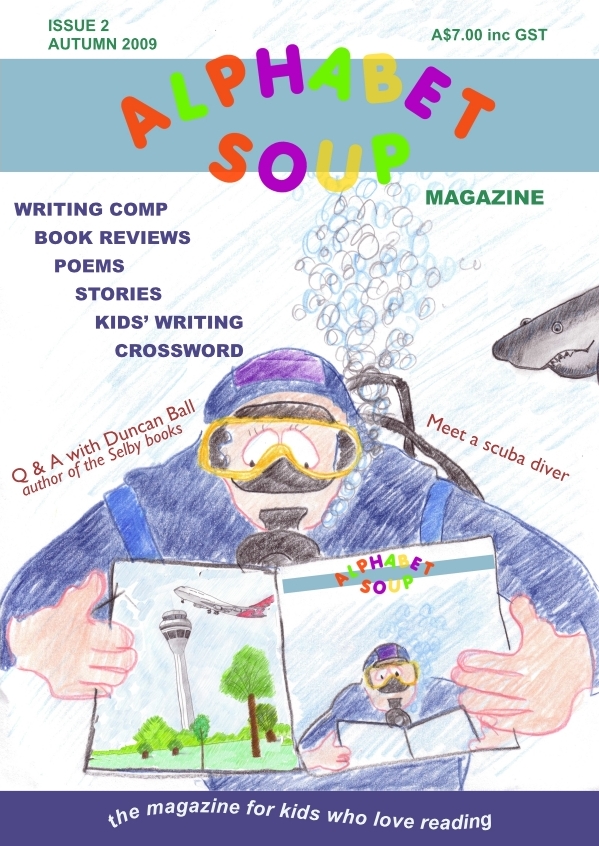
Issue 2 AUTUMN 2009 (limited supply)

Theme: Water
Author Q&A: Duncan Ball
Interest article: Scuba diving
Poetry and stories by Brian Langley, Charlotte Clarence, Michele Purcell.
Foktale/fairytale: The Fisherman and His Wife
Writing tips: Keeping a journal
—
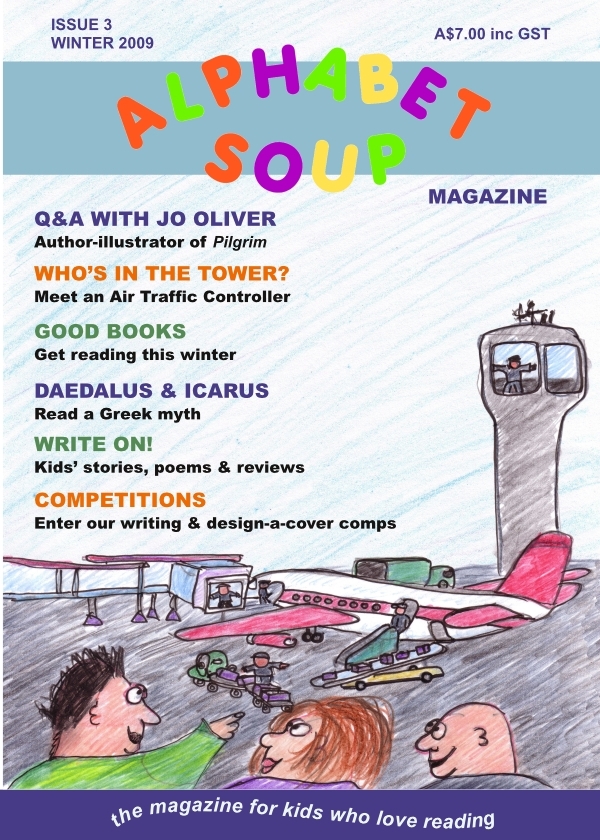
Issue 3 WINTER 2009 (limited supply)

Theme: Flight
Author Q&A: Jo Oliver
Interest Article: Air Traffic Control
Poetry and stories by CJ Dennis, Marie Clark, Michele Purcell
Greek Myth: Daedalus and Icarus
Writing tips: Describe it!
—
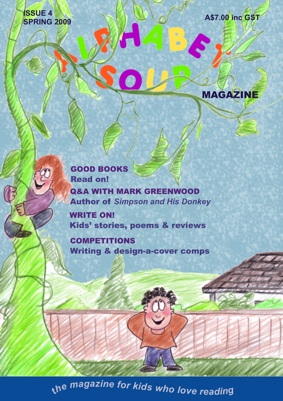
Issue 4 SPRING 2009 (limited supply)

Theme: Gardening
Author Q&A: Mark Greenwood
Interest Article: Home-grown vegies
Poetry and stories by Ann Ingalls, Brian Langley, Hazel Edwards, Michele Purcell
Folktale/Fairytale: Jack and the Beanstalk
Writing tips: Writers’ block
—
Issue 5 SUMMER 2009 (limited supply)

Theme: Space
Author Q&A: Christine Harris
Interest Article: Astronomy
Poetry and stories by Sally Murphy, Jackie Hosking, Paula Hayes and Mabel Kaplan
Folktale/Fairytale: The Red Riding Hood Rap
Writing tips: What does ‘write what you know’ mean?
—
Issue 6 AUTUMN 2010 (limited supply)

Theme: Outdoors
Illustrator Q&A: Chris Nixon
Interest Article: Rogaining
Poetry and stories by Jackie Hosking, Beverley Boorer, Michele Purcell, Selina Duke
Folktale/Fairytale: Hansel and Gretel
Writing tips: Getting to know your characters
—
Issue 7 WINTER 2010 (ONLY 3 copies remaining)
Theme: Ice
Author Q&A: Sandy Fussell
Interest Article: Art in the Ice Hotel
Poetry and stories by Karen Collum, Michele Purcell, Di Bates
Folktale/Fairytale: The Snow Maiden
Writing tips: Point of view
—
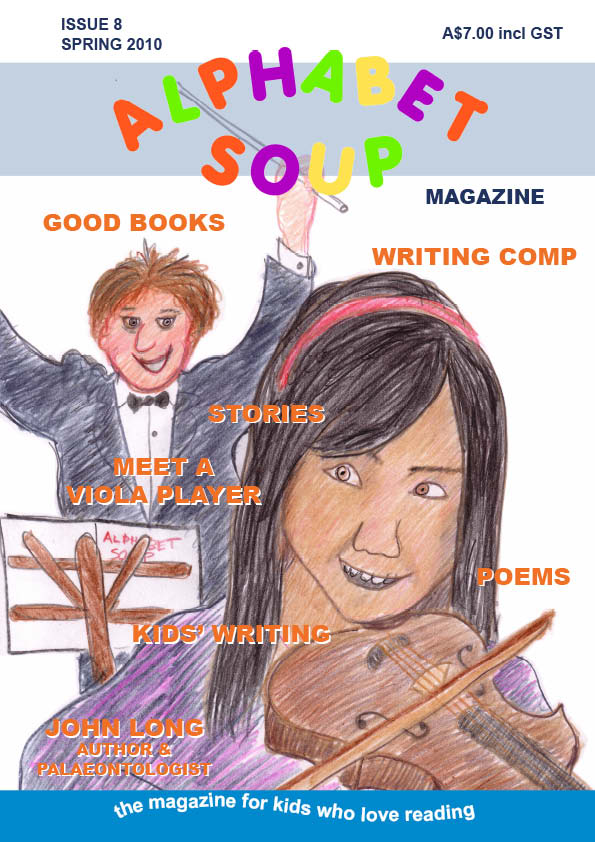
Issue 8 SPRING 2010 (limited supply)

Theme: Music
Interest article: Playing the viola
Poetry and stories by Jeni Mawter, Valerie Thomas, Lyn Oxley, Rebecca Newman
Folktale/fairytale: The Smell of Bread
Writing tips: How do I write a funny story?
—
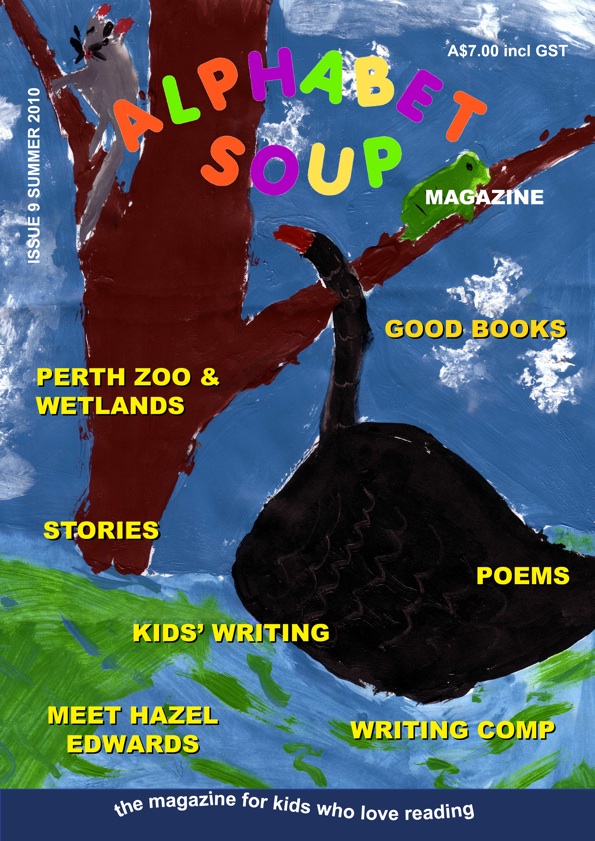
Issue 9 SUMMER 2010 (limited supply)

Theme: Wetlands
Author Q&A: Hazel Edwards
Interest article: Wetlands Care
Poetry and stories by Sally Murphy, Edel Wignell, Rebecca Newman, Aleesah Darlison
Folktale/Fairytale: A Needle and Thread
Writing tips: The writer as crocodile hunter
—
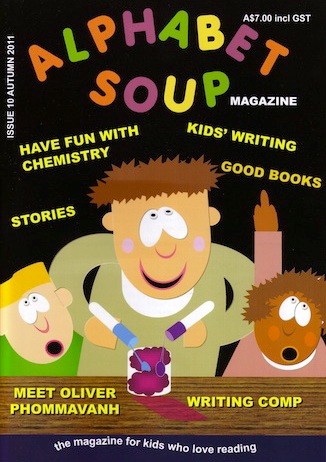
Issue 10 AUTUMN 2011 (in reasonable supply)

Theme: Chemistry Fun
Author Q&A: Oliver Phommavanh
Interest article: International Year of Chemistry
Poetry and stories by John Malone, Nadine Cranenburgh, Michele Purcell, Kathryn Apel
Greek myth: The Golden Touch
Writing tips: Playing with words
—
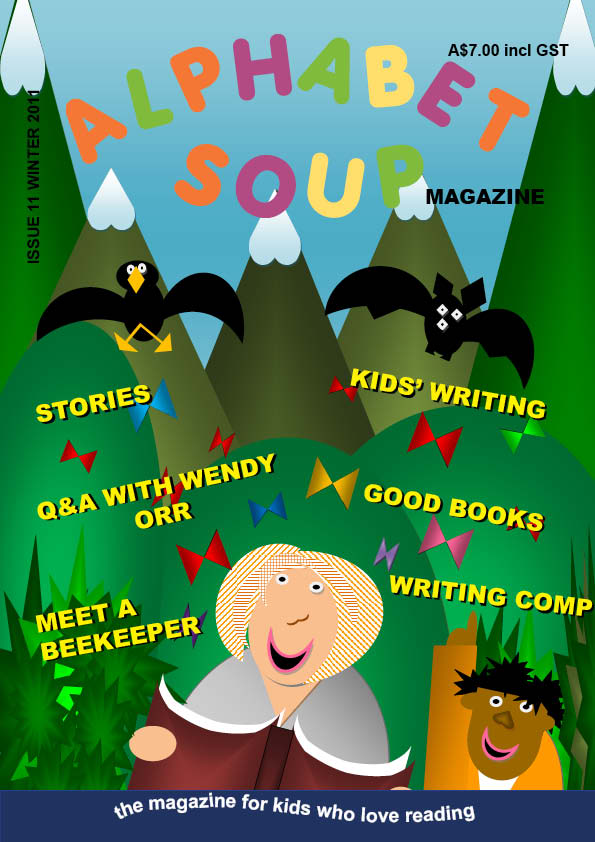
Issue 11 WINTER 2011 (in reasonable supply)
Theme: Things with Wings
Interest article: Bee keeping
Author Q&A: Wendy Orr
Poetry and stories by Edel Wignell, Jackie Hosking, Lorraine Marwood, Michele Purcell and Emma Cameron
Folktale/Fairytale: The Six Swans
Writing tips: Writing great dialogue
—
Issue 12 SPRING 2011 (in reasonable supply)

Theme: Sail Away!
Author Q&A: Briony Stewart
Interest article: Sailing
Poetry and stories by Pat (Tricia) Simmons, Edel Wignell, Michele Purcell, Susan Stephenson
Fable: The North Wind and the Sun
Writing tips: Finding the right title
—
Issue 13 SUMMER 2011 (in reasonable supply)

Theme: Medieval
Author Q&A: Norman Jorgensen
Interest article: Fencing
Poetry and stories by Jackie Hosking, Marianne Musgrove, Michele Purcell, Tracey Slater
Legend: Robin Hood Meets Little John
Writing tips: Finding good names for your characters
—
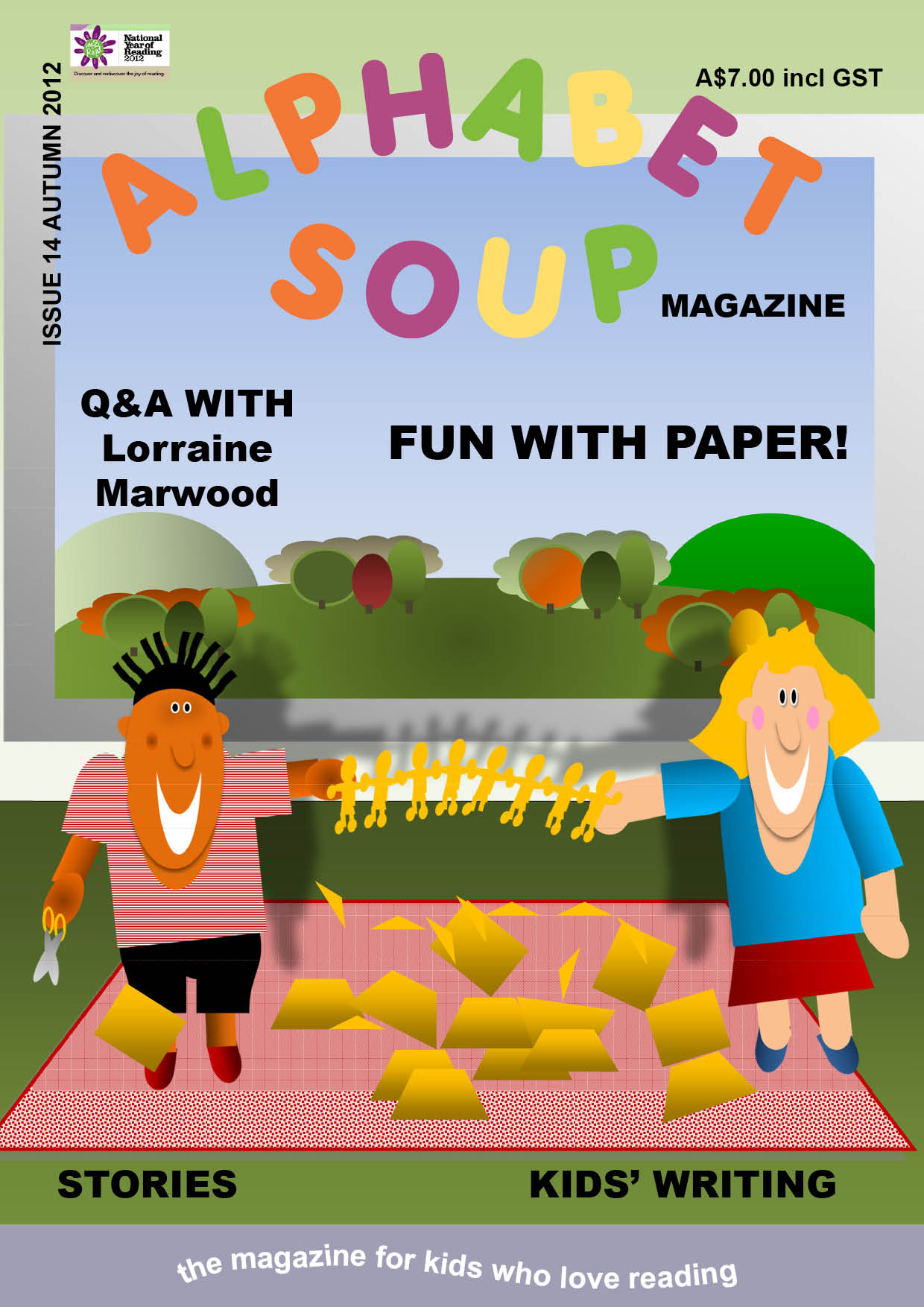
Issue 14 AUTUMN 2012 (in reasonable supply)
Theme: Fun with paper
Writer Q&A: Lorraine Marwood
Interest Article: Making paper
Poetry and stories by Edel Wignell, Jackie Hosking, Rebecca Newman, Zoya Nojin
Fairytale/Folktale: Why Evergreen Trees Keep Their Leaves
Writing tips: Journalists’ skills
—
Issue 15 WINTER 2012 (in reasonable supply)

Theme: National Year of Reading!
Author-illustrator Q&A: Peter Carnavas
Interest Article: Judging Book Awards
Poetry and stories by Kathryn Apel, Sally Murphy, Lorraine Marwood, Michele Purcell, Susan Stephenson
Fairytale/Folktale: The Three Wishes
Writing tips: Beginnings — finding a hook
—
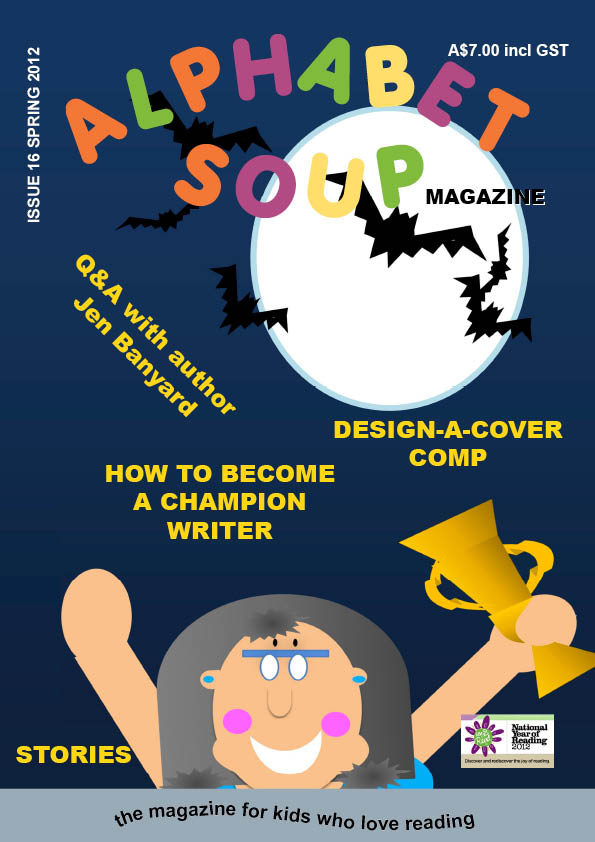
Issue 16 SPRING 2012 (in reasonable supply)

Theme: Champions
Author Q&A: Jen Banyard
Interest article: Behind the Scenes at Big Events
Poetry and stories by Marianne Musgrove, John Malone, Dianne Bates, Rebecca Newman
Fable: The Tortoise and the Hare
Writing tips: 10 Behaviours of a Champion Writer
—
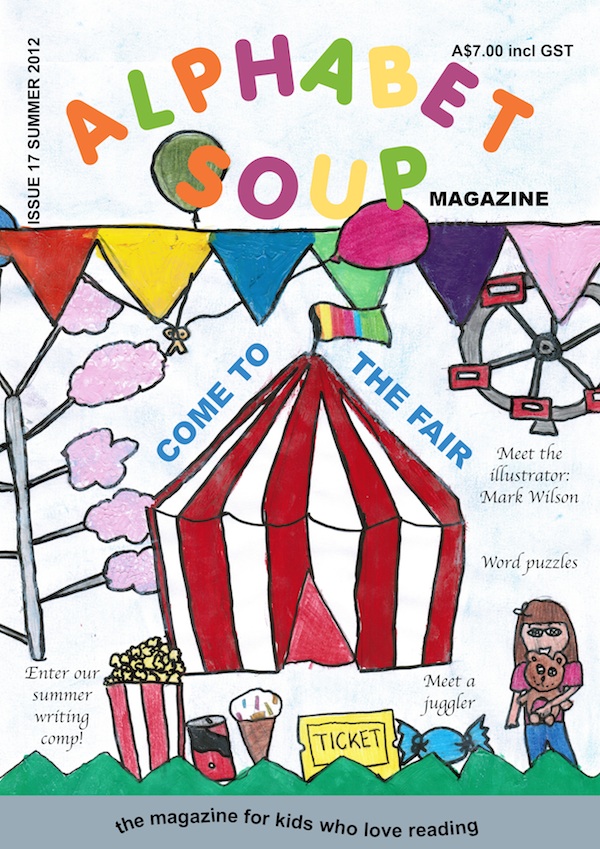
Issue 17 SUMMER 2012 (in reasonable supply)

Theme: Come to the Fair!
Author-illustrator Q&A: Mark Wilson
Interest article: Juggling
Poetry, stories and a play by Jackie Hosking, Kathryn Apel, Michele Purcell, Susan Stephenson
Folktale/Fairytale: The Three Billy Goats Gruff
Writing tips: A lucky dip of prompts
—
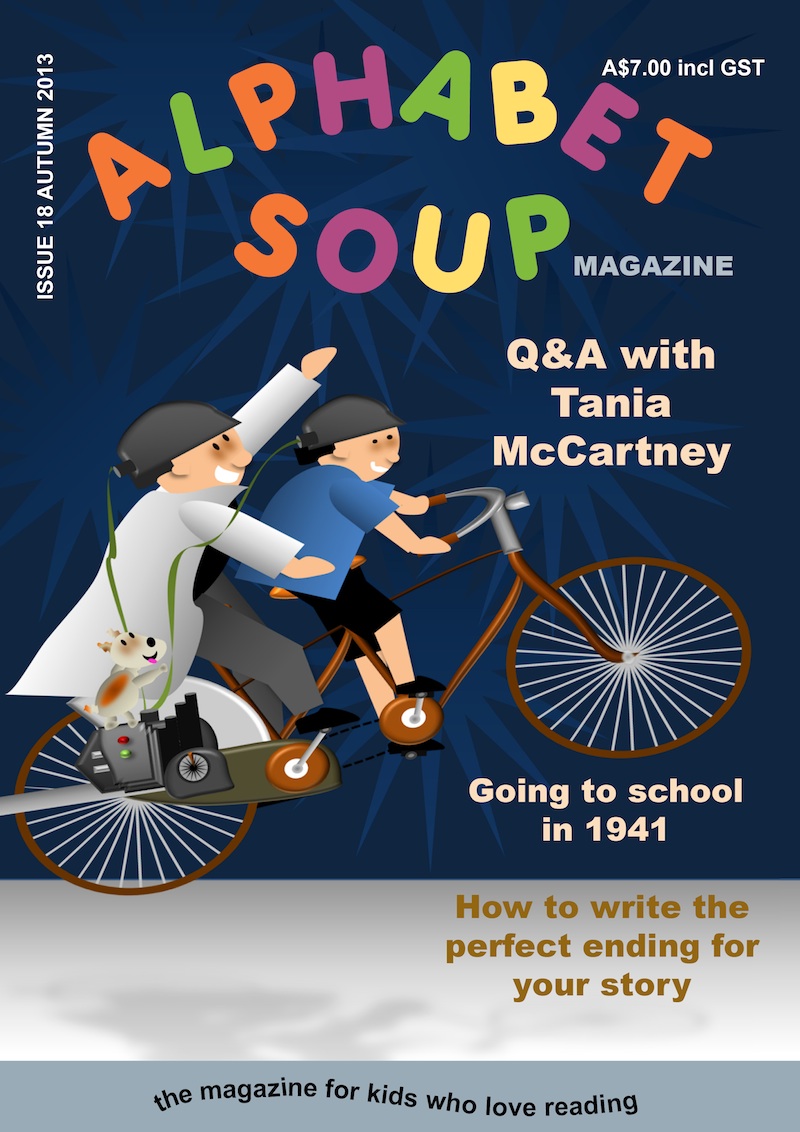
Issue 18 AUTUMN 2013 (in healthy supply)
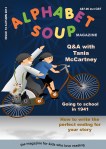
Theme: Long, long ago
Author Q&A: Tania McCartney
Interest Article: School in 1941
Poetry and stories by Rebecca Newman, Tricia Simmons, Zoya Nojin
Folktale/Fairytale: The Little Red Hen
Writing tips: Writing perfect endings
—
Order back issues from our website