The Kangaroo and the Porpoise, told by Agnes Lippo, compiled by Pamela Lofts, illustrations adapted from paintings of the story done by children at Belyuen School in the Northern Territory, Scholastic Press, ISBN 9781865046297
REVIEWED BY EVA, 8, NSW
This is a beautiful, Australian First Nations story from The Dreaming. It’s told by Agnes Lippo and compiled by Pamela Lofts.
This is a story about how the porpoise came to live in the sea. I really liked this book because it talks about lots of unique, cute creatures and what they eat.
I also liked how the kangaroo is trustable at the start and then changes at the end.
I disliked how the story was a bit challenging sometimes, because I don’t like fighting among characters.
This book made me feel happy and sad at the same time! This is a good book for ages 3 to 8. I give it 4 out of 5 stars.
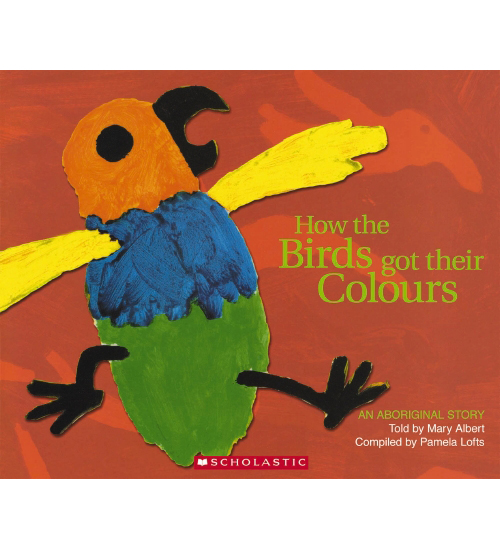
How the Birds got their Colours, told by Mary Albert, compiled by Pamela Lofts, illustrations adapted from paintings of the story by Aboriginal children living in Broome, Western Australia. Scholastic Press, ISBN 978-1865046242
REVIEWED BY ISLA, 7, NSW
How the Birds got their Colours is a lovely book told by Mary Albert, compiled by Pamela Lofts.
This is an Australian First Nations story from The Dreaming. It tells the story of how the birds in the beginning had no colour. They were all black. Then one day a little dove changed everything forever.
I loved this book because there’s a happy ending. It made me feel inspired with the marvellous colourful illustrations.
I give this book five out of five stars and recommend it for all ages, but especially for ages 4 to 8.
We’re pleased to be sharing a series of book reviews by Petersham Public School students, NSW.This is Isla’s first book review for Alphabet Soup. To send us YOUR book review, read our submission guidelines. Happy reading!
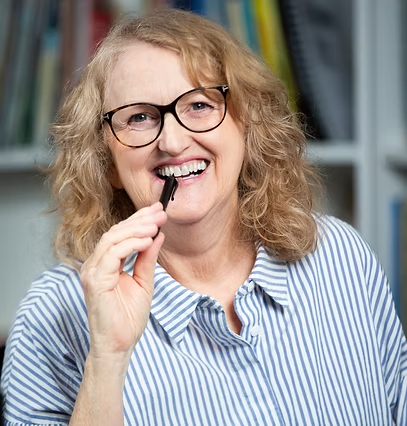
Sharon Dalgleish has over 50 published books for children and worked for many years as a librarian, and then as a teacher. She now spends her days writing stories, non-fiction and poetry for children.
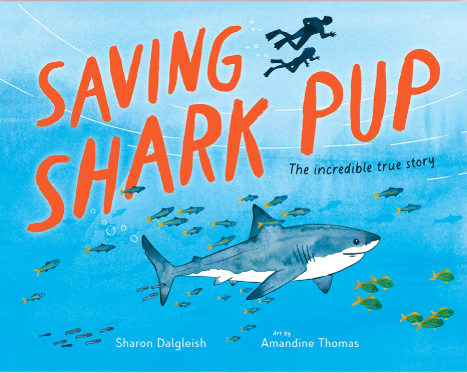
Sharon lives in Sydney with Maisie, her rescue dog/office assistant. Today we’re chatting with Sharon about her picture book with Amandine Thomas: Saving Shark Pup: The Incredible True Story.
From the publisher:
When a great white shark pup washed up on Manly Beach, the local community rushed to the shark’s rescue, eventually releasing it back into the ocean. Great white sharks are vital for the ocean ecosystem, and yet despite this, their beauty and mystery are rarely celebrated. This glorious picture book is a lyrical and emotive account of the shark pup’s journey back to the ocean, interspersed by fascinating facts about great white sharks.
The publisher provided Alphabet Soup with a reading copy of this book.
Saving Shark Pup is based on an actual rescue. How did you first hear about the shark pup that washed up on Manly Beach?
I was living in Manly when the shark pup washed up on the beach, so it was like it happened right in my own backyard. My daughter and her friends were at the beach and saw it all. They phoned to tell me – but I was at work and couldn’t rush to the beach. So, they sent me video updates!
The shark (nicknamed Fluffy) made me think differently about sharks and stayed in my heart for years. As I walked along the beach up to the headland lookout each morning, I would scan the ocean, wondering if it had survived and where he might be now. Great whites can live for over sixty years, so I’ll be looking for a long time!
I was sure someone would write Fluffy’s story. But no one did. Eventually, I sat down to try to capture his story on the page myself … hoping my words would inspire others to think differently about sharks, too.
The book includes facts about great white sharks as well as the tale of the shark pup’s rescue. How did you do your research about great white sharks?
I read everything I could find about great white sharks, in books and on scientific websites. It was particularly hard to find information about how great white sharks are born! Scientists are still trying to discover this. The best part of the research was making contact with and interviewing one of the aquarists who rescued the shark. She stayed by his side throughout the rescue – over twenty-four hours in the water with no sleep and wearing heavy equipment. She also read my final manuscript to make sure all the facts were correct. And she was VIP guest at the book launch party!
Did you work with the illustrator Amandine Thomas in the creation of the book? Or did you each work on the text and illustrations separately?
Amandine created her amazing art after my text was completed. When I first saw her art, I couldn’t believe how she had captured the colours, emotion, movement and even the sounds of the rescue. And how she has added so much to the story with every spread showing a different angle or perspective. We have never met in person (she is in Melbourne and I am in Sydney) but she did come to the book launch party via video! It was so special.
You’ve dedicated the book to the Sea Life Sanctuary Rescue Team. Can you tell us about that?
They worked with extraordinary teamwork, trying different ideas and never giving up. By the end of the rescue, they were overwhelmingly exhausted but also in awe of being in the presence of such a majestic animal. Great white sharks can be dangerous. And this one was stressed and in a confined space. But not once during the rescue did any of the divers feel threatened by Fluffy. They felt honoured to be able to help this magnificent wild creature. To me they are heroes!
Can you tell us a bit about what you’re working on next?
I’m working on another nonfiction picture book. I adore poetic, lyrical writing. But I love silly humour, too. So, I’m having loads of fun working on a few funny picture books. I’ve also drafted an outline for a Chapter Book series. It’s about a character who always gets things wrong. I’ve written the first book and now planning the next two books.
Saving Shark Pup: The Incredible True Story is out now! Ask for it at your favourite bookshop or local library.
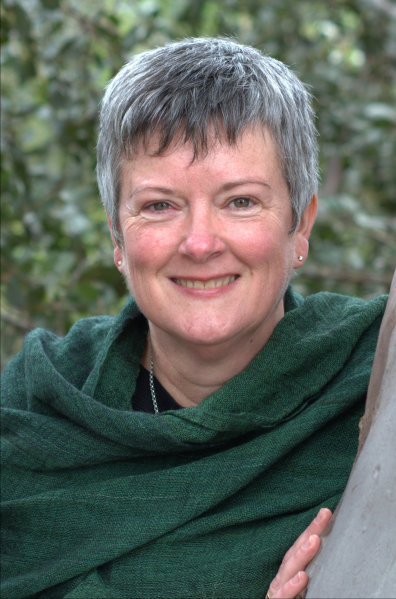
Claire Saxby is an award-winning author and has lived in many places through Australia and beyond. She writes about nature, about history and more.
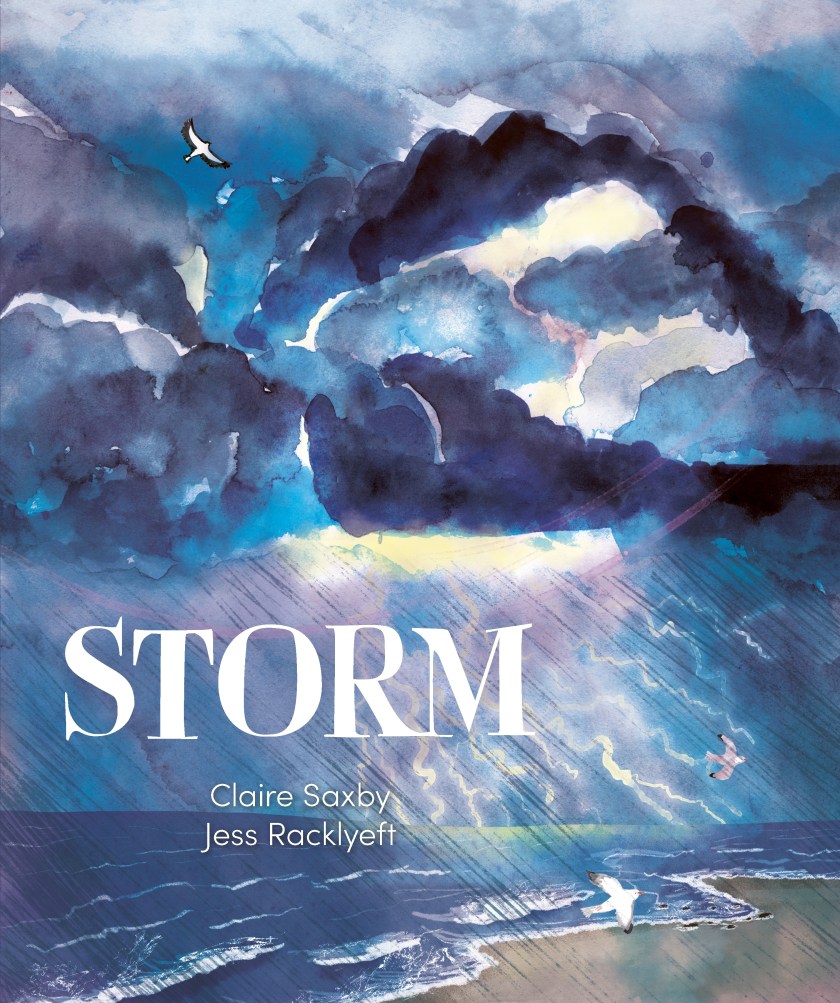
You might have read some of her books already, like Tree, Iceberg or Great White Shark. Claire is passionate about encouraging curiosity and wonder. Today we’re chatting to her about Storm, illustrated by Jess Racklyeft.
From the publisher:
A storm is brewing. It begins with a puff. Then another. A flutter, a ripple, a shiver show where the breeze blows … An evocative exploration of the birth of a thunderstorm and the effects of wind and weather on the natural environment. Combining deep scientific research, lyrical language and stunning illustrations, Storm is the next exploration of the natural world from the CBCA award-winning team of Claire Saxby and Jess Racklyeft.
The publisher provided Alphabet Soup with a reading copy of this book.
Storm features lyrical language and poetic techniques like alliteration, assonance and personification, among others. You are a published poet and author. How do you decide whether a piece of writing works best as a poem or a lyrical picture book?
This is such a great question! Thank you. I feel like poems are a bit like a photograph and picture books are more like a movie. So if there is a single idea or image I’m trying to catch, then it’s likely to be a poem. If there’s a story, if there are twists and turns, escalations and solutions, then it’s likely to be a story. Within Storm, there are written stories, but there are also visual stories. Working with Jess on many books, I know how much space I can leave for her to create her visual narratives and can be sure that my word stories will work with her visual ones. But poem or story, I draft and redraft until I am confident that it’s the right words in the right place, each word working as hard as it can to create word pictures in a reader’s mind.
How did you come to write this book? Is it based on a storm in a place you’ve been to or know well?
Jess and I had worked on three books in this series: Iceberg, Tree and Volcano and we considered them to be showcasing Water, Earth and Fire, so it seemed a natural next to write Storm. I gathered a rockpool from here, an escarpment from there, a sandy beach from another place, and a shallow reef from another beach (the little green fish that appears in Storm is from this reef) and sewed them all together in a single story. After I’d written it, I moved to a beachside town and my closest beach features all of these elements! So it could have been written about my local beach, but I hope that means that readers will recognise elements of their local beach.
Jess Racklyeft has illustrated your work before. Did you and Jess communicate while you were writing Storm? (Did you know there would be fantastic fold out pages in the centre of the book showing the storm at its peak or was it a surprise when you first saw the finished book?)
All of the books in this series have foldout pages, but I never know which part of the story will become doubly wonderful in this way. Jess and I do talk about the general idea for a story, then Jess very generously steps back and lets me write. When I’m done, I step back and let Jess work her magic. It’s a very rewarding way to work, I love it. Of course, there’s a whole, almost silent, publishing team behind the making of these books and the books are the best they can be because of their insight and skilled guidance.
How did you go about editing your drafts before you submitted this manuscript to your publisher? Is it different from the way you edit your poetry?
I call my first draft a ‘0 draft’ because it’s not even good enough to be called a first draft! It’s more a rambling, stop-start-stop again document that I keep working on until I find a possible direction for a story. Then I begin a First Draft … and a Second Draft and … well you get the idea. When I reach a spot where the story could go one way or the other, then I start a new document. That way if it all goes wrong, I can go back to that previous draft and choose a different direction. It is both easier and harder with poetry, because there are even fewer words to make work well and that means adjusting each word, each line, each stanza until it sings. Sometimes I cross out words, put arrows moving words around, cut some out, add more. I do multiple drafts for both, and generally it’s not until draft 3 or 4 that a poem or story really starts to take shape.
Can you tell us a bit about what you’re working on next?
Ooh, okay. I have two books coming out next year, one about a hat-wearing caterpillar (yes it’s a real one) and the other about two explorers and the story is told in parallel. Jess is busy illustrating the explorers, and the caterpillar book is my first with this illustrator and it is BEAUTIFUL! I have two new picture books in research stage – which is the stage BEFORE a 0 draft, so I have no idea really what they will be …
Storm is out now! Ask for it at your favourite bookshop or local library.
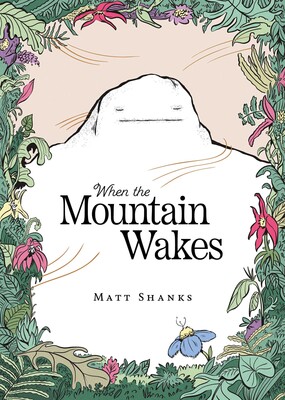
The Mountain Wakes is a picture book about persisting until you get what you need. It’s a great story about hope and how the littlest things in life can make a difference to even bigger things.
The illustrations are very detailed and scientifically correct. And the pastel colour palette is really pretty.
I think this book would be enjoyed by kids from Year 1 or 2 onwards, because younger audiences might find it a bit complicated to understand what they’re seeing.
This book is a great inspiration for those who reach for the stars.
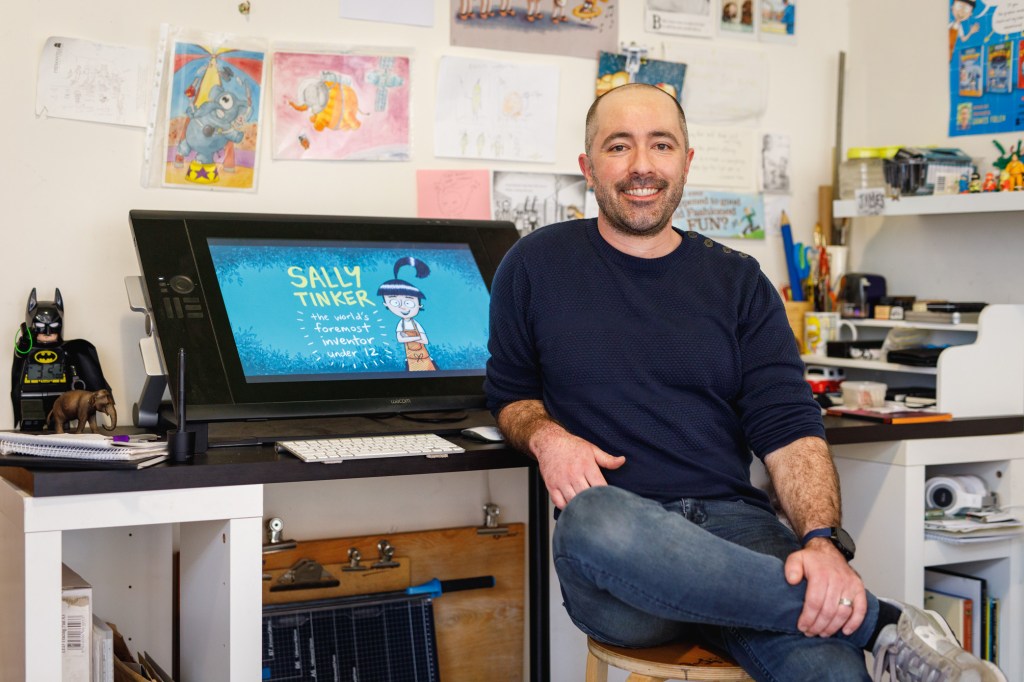
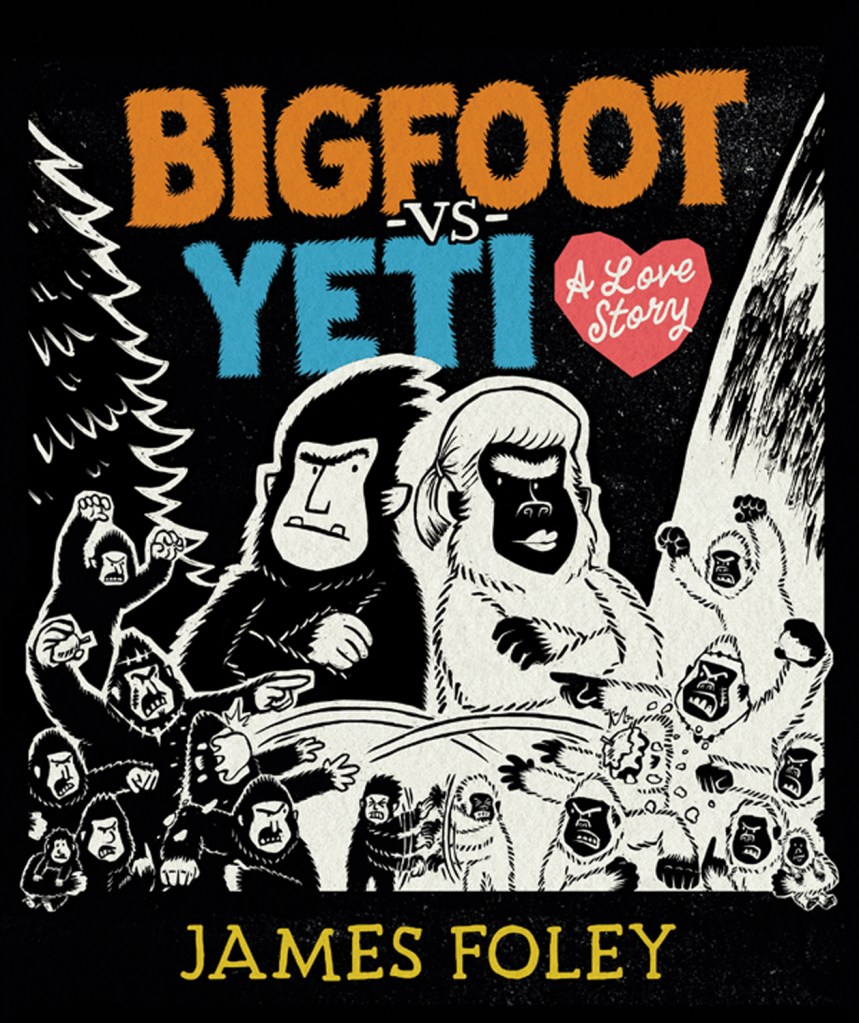
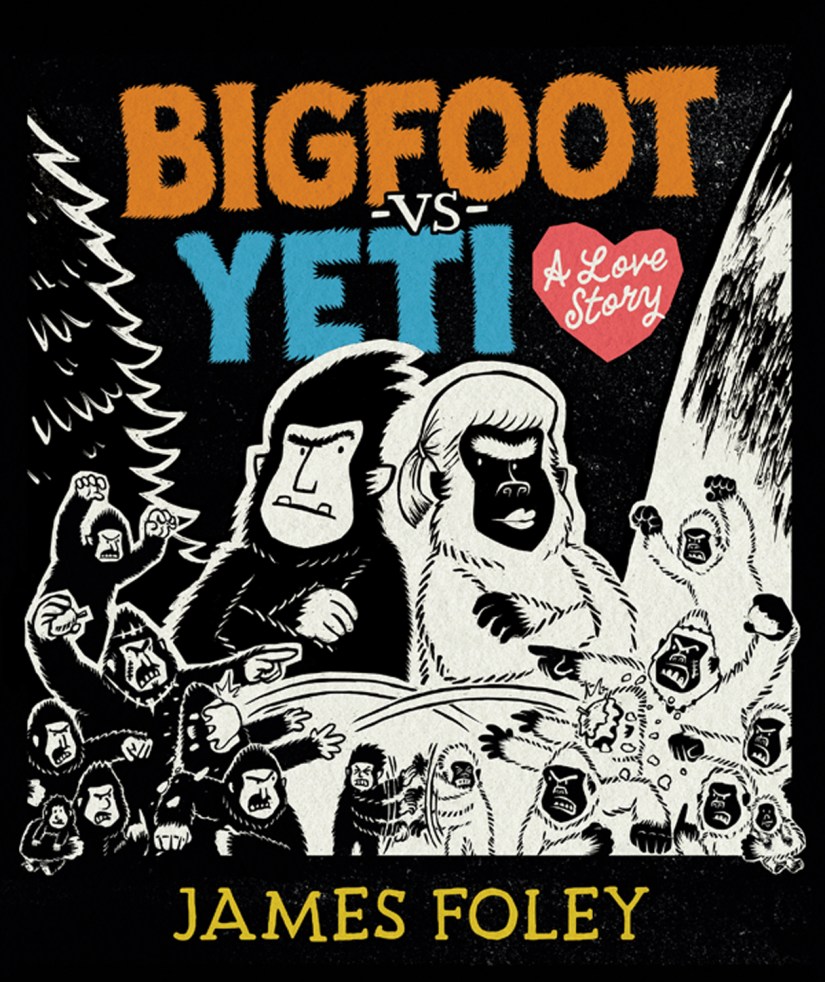
James Foley makes picture books, novels and graphic novels for kids. He creates with pen and ink, pencil, charcoal, and watercolour and also uses digital tools for his work. Today we’re excited to be chatting with James about his latest picture book: Bigfoot vs Yeti.
The publisher provided Alphabet Soup with a reading copy of Bigfoot vs Yeti.
From the publisher:
The Bigfoots say it started when a Yeti threw a snowball across the rift. The Yetis say it started when a Bigfoot threw some fruit across the rift. Who could say for sure? One night, a young Bigfoot and a young Yeti decide to find the end of the rift so they can finish the feud – once and for all. Things are about to get hairy …
You used a digital linocut technique for the illustrations – can you tell us a bit about how you created them?
At first I tried real linocut, which is a printmaking technique – you basically take a piece of lino (flat rubbery plastic) and you carve little bits out of it to make the picture. Then you add ink to it, and then you press it on paper. You’re basically making a giant stamp! But I quickly realised it would take a lot more time than I had, and I would need a lot of supplies (and practice) to do it properly. I also wouldn’t have the luxury of an undo key if things went wrong; I would just have to start a picture again.
So rather than doing proper linocut, I used the same techniques digitally: I opened Procreate on my Ipad, downloaded some ‘linocut’ brushes that some much cleverer people had designed, and I created my images that way: digitally ‘carving’ out the images bit by bit.
It was still a challenge, because linocut is the opposite way of thinking to normal drawing. If I want to draw a black line on white paper, then I just get a black pen and draw the line. But if I want to make a black line using linocut, then I need to start with black and add the white around the space where I want the black line to be. I’m carving out all the spaces around where I want the lines to go. It takes a bit of getting used to!
Bigfoot vs Yeti has a touch of Romeo and Juliet (spoiler: with a happier ending). How did you come to choose bigfoots and yetis for the characters in this feud-busting love story?
I didn’t set out to make a story about the ancient feud between Bigfoots and Yetis; that was a surprise! It all started with a character idea. Without giving away too much about the book, there’s a character at the very end that was the first thing I came up with. Then I worked backwards – where would this character come from? And how could I make their backstory full of drama and conflict? That’s where the story came from.
The rift is a metaphor as well as a physical presence in the story. Were the rift illustrations inspired by a place you’ve visited?
The rift wasn’t inspired by an actual place, but I found photos of forests and snowy mountains and lakes, sometimes all together – particularly around the Pacific Northwest of North America. I’d love to visit in person one day.
The story is fun to read aloud, how do you go about drafting a tale like this?
This picture book took a while to marinate – just like Stellarphant did. Both stories are very important to me and I wanted them to be the best they could be. So I wrote many, many versions. Early versions of this didn’t work, so I left it for a long while, brainstormed lots of possibilities, and let the best ideas rise to the top. Then when it came to writing the story, I often read it aloud as I went. I always want to make sure that when the book is bought and taken home, that it’s going to be pleasing for the person who’s reading it as well as the child who’s listening.
Can you tell us a bit about what you’re working on next?
I’m working on four books this year – a capybara sequel, a funny picture book about onomatopoeia, a junior fiction novel written by Nathan Luff, and [drum roll] a non-fiction follow-up to Stellarphant. I can’t wait to share these with everyone! The capybara sequel should be out later this year and the others will be 2026-ish.
Also out this year are the colour editions of Dungzilla (April) and Chickensaurus (June). Exciting times!
Bigfoot vs Yeti is out now! Ask for it at your favourite bookshop or local library.
If you live near Perth, WA, make sure you’re at the State Library of WA on 17 November for the 2024 Young Readers Day Out!
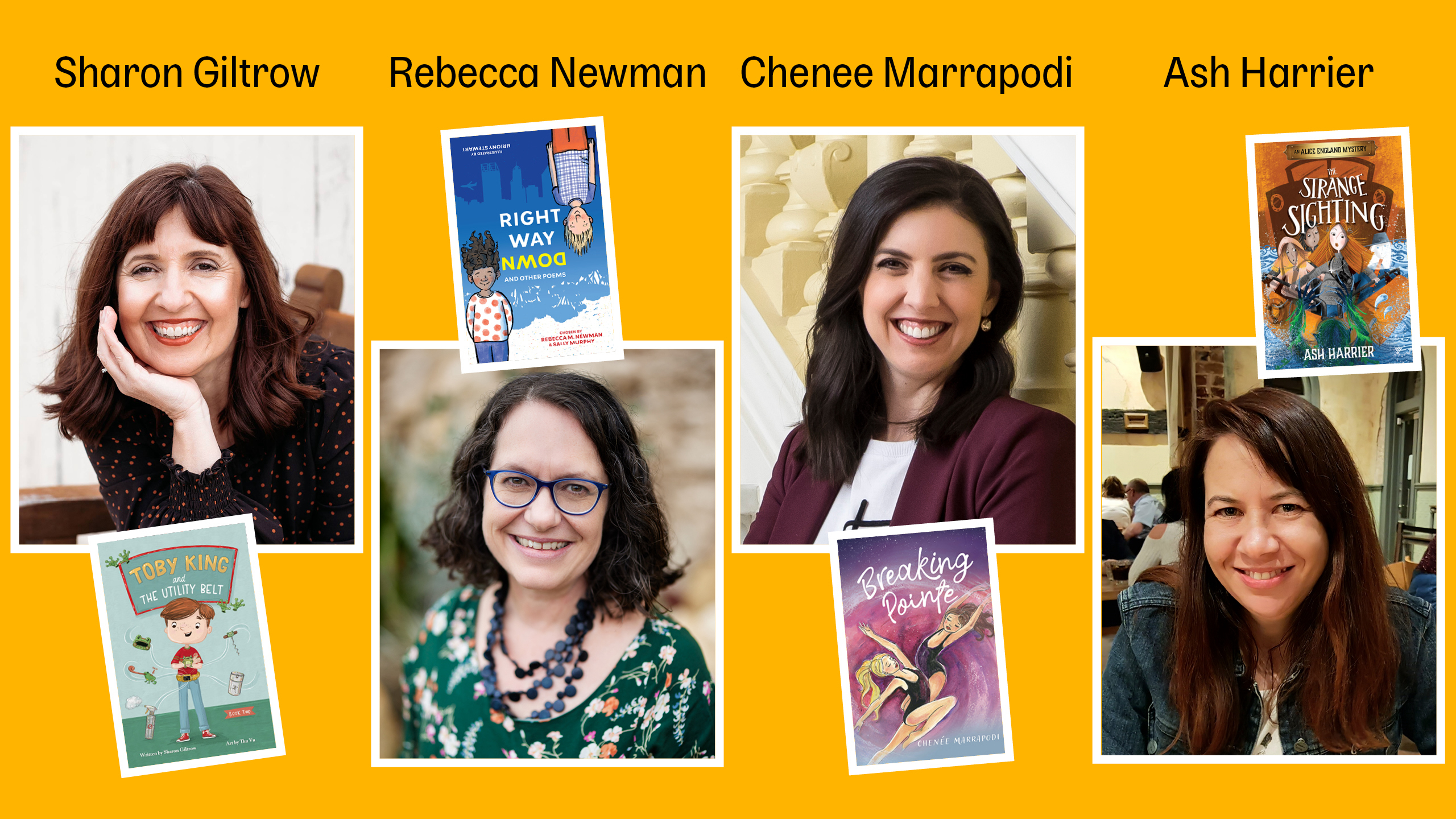
Meet some of WA’s most well-known children’s book authors and illustrators for a morning packed with activities, including: • Helping illustrators compete in an interactive illustration duel • Learning how to draw your favourite book characters • Peeking behind-the-scenes to find out how these stories come to life • Meeting and chatting with twelve children’s book authors and illustrators.
This event is suitable for book-lovers of all ages, but perfect for ages 0-12. All children must be accompanied by an adult.
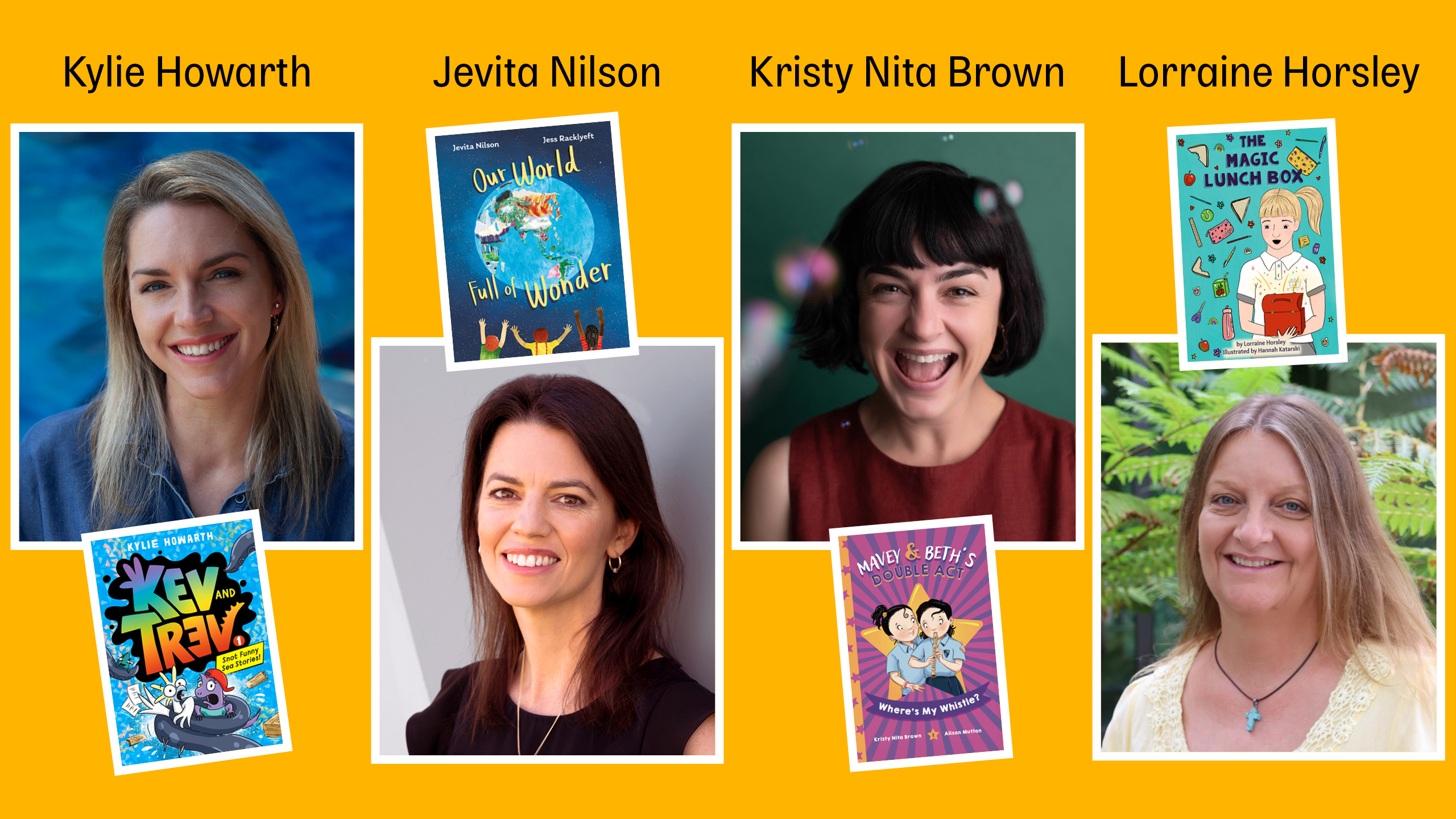
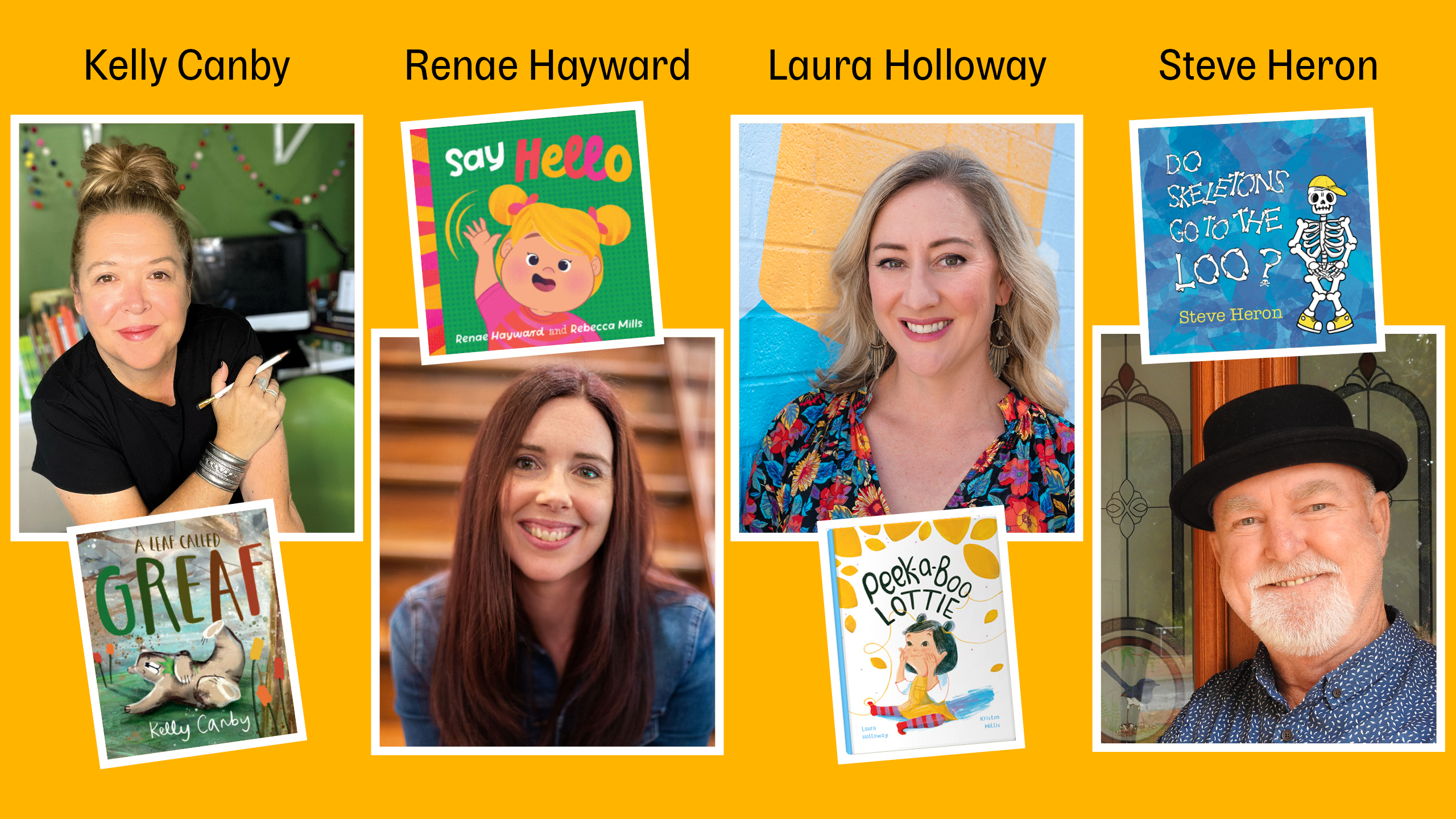
Meet these amazing book creators: Rebecca M. Newman Kelly Canby Sharon Giltrow Ash Harrier Steve Heron Laura Holloway Lorraine Horsley Kylie Howarth Chenée Marrapodi Jevita Nilson Kristy Nita Brown Renae Hayward
Cost: $20 + booking fee
Each ticket includes: • Entry for up to 6 people • 1 x $20 voucher at the Boffins Books pop-up shop on the day • Gift bag with bookmarks, colouring-in sheets and more
Date: Sunday, 17 November 2024, 10:30 AM – 12:30 PM
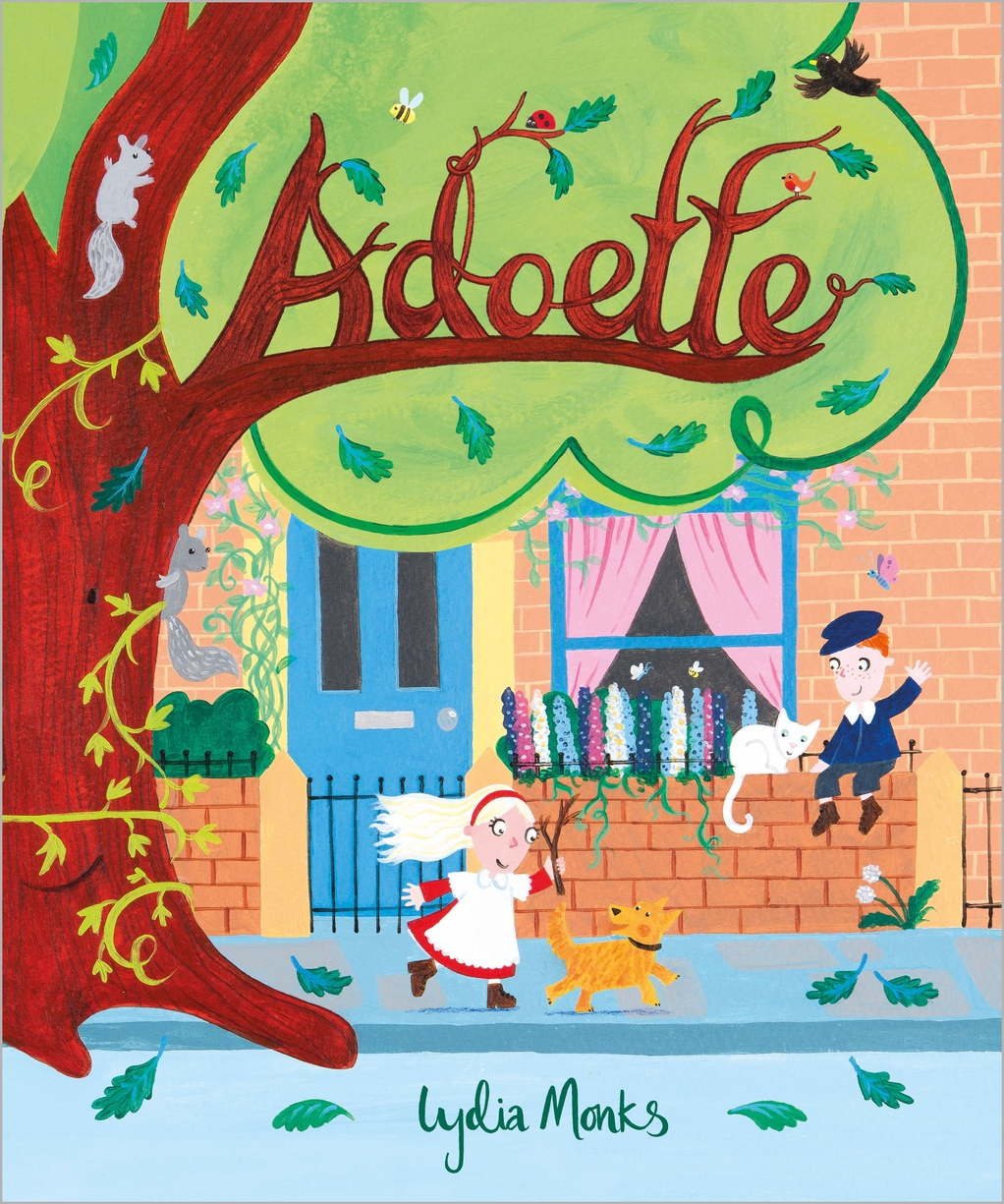
Adoette by Lydia Monks, Andersen Press, ISBN 9781839131905
Jonathan’s review of this book was longlisted in the 2024 Young Reviewers’ Competition.
I love this book because it is about the past and present. I really like the last page because it is so colourful and full of nature!
Adoette means ‘big tree’ and this book has taught me how hard it is to fight for something you love. I felt calm and peaceful when I was reading this book. I actually liked the sad part because it made the people come together. I would recommend this book to other kids because it’s fun!
Jonathan’sreview was longlisted in the Junior category of Alphabet Soup’s 2024 Young Reviewers’ Competition. The competition is now closed, but we publish book reviews by young writers all year round. To send us YOUR book review, read our submission guidelines. Happy reading!
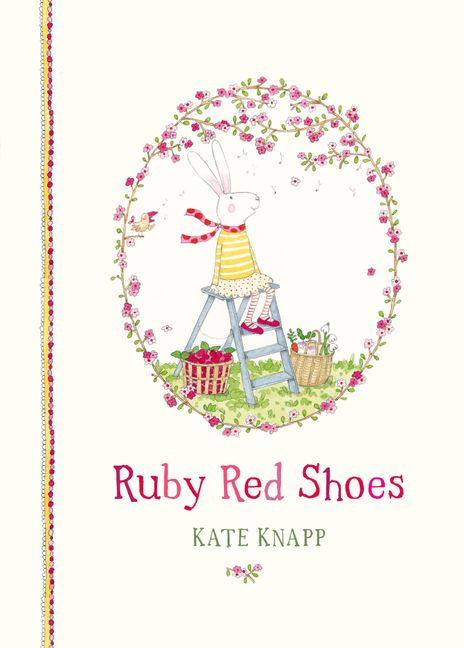
Ruby Red Shoes by Kate Knapp, HarperCollins Australia, ISBN 9780732293628
Winnie’sreview of this book was longlisted in the 2024 Young Reviewers’ Competition.
Ruby Red Shoes by Kate Knapp is a heartwarming story about a hare called Ruby. She lives in a beautiful caravan with her kind grandmother, Babushka Galina Galushka. They spend their days in their beautiful garden, growing fruits and vegetables and lots of flowers. Ruby loves singing to the plants and birds in her garden.
I enjoyed reading this book because the pictures and words makes my heart warm. I really like the look of Ruby’s caravan. The pictures are very detailed and colourful and I love them.
I would recommend reading Ruby Red Shoes to anyone who enjoys a gentle and calming book.
I give this book 10 out of 10.
Winnie’s review was longlisted in the Junior category of Alphabet Soup’s 2024 Young Reviewers’ Competition. The competition is now closed, but we publish book reviews by young writers all year round. To send us YOUR book review, read our submission guidelines. Happy reading!
Cheryl Leavy is from the Kooma and Nguri Nations in western and central Queensland. She is an award-winning poet and writer who loves to tell stories that celebrate First Nations culture, history and Country. We’re thrilled to be chatting to Cheryl about her first picture book – Yanga Mother – illustrated by Christopher Bassi.
The publisher provided Alphabet Soup with a copy of Yanga Mother.
From the publisher:
Yanga Mother is a poetic celebration of First Nations languages. This powerful bilingual story honours connection to Country and the unbreakable bonds of never-ending motherly love. From award-winning writer Cheryl Leavy comes this beautiful picture book in Kooma and English about a grey kangaroo and her joey, and the unbreakable bonds of family.
Sometimes the author and illustrator of a book discuss the project during its creation, sometimes they work separately on the words (author) and artwork (illustrator). How did you work with Christopher Bassi while he was illustrating Yanga Mother?
On the surface, Yanga is a story about the love between Mother and child. It helps us to reflect on how our Mother is always with us in our hearts, even when she seems far away. It’s something a lot of readers will be able to relate to and lays the groundwork for empathy for the Stolen Generations.
Once the story was written, I thought carefully about how to illustrate it. I chose dhugundu, the grey kangaroo, because they are wonderful mothers and siblings. You can read more about how they love and protect each other in the notes for older readers.
I got started on the book itself by working out what words would go on each page (the pagination) and made notes for the illustrations for each of the phrases that make up the story. I set it out in a table, using a process I made up as I was going along. I wasn’t really sure how to make a book and what people in the publishing industry did. I just I wanted to be able to set out my ideas clearly and simply, and to make sure the visual storytelling reflected Kooma cultural values.
I spent a lot of time considering how I wanted the book to look. I studied many of my favourite children’s books, looking at the illustrations carefully to understand what made each of them so wonderful. One of those books was Aboriginal Tales, published in 1972 by Golden Press, which my mother had recently given me. The illustrations have lots of rich yellows and this made me wonder which colours are best to use in children’s books. I searched the internet and found a piece of research that said yellow was a colour that children prefer in children’s books.
Artist Christopher Bassi was then the obvious choice for the illustrator. He is a famous artist who uses yellow as the main colour in his work. I have loved Chris’s artwork for a long time and we have developed a close friendship. I was so happy when he agreed to illustrate and design Yanga Mother.
From Yanga Mother by Cheryl Leavy & Christopher Bassi (UQP)
We worked together very closely, talking through my suggested illustrations and exploring Chris’s vision for the book. We spent many happy hours together in Chris’s studio in West End, talking about each illustration, pouring over children’s books we each loved, thinking deeply about how we could honour the story and bringing our very best efforts to each illustration. We are both very proud of the final product and are looking forward to a new project together.
On each page, the poetic text of Yanga Mother appears in Kooma first with the English translation below it. When writers translate their work, it’s not always a word-for-word project. How did you go about choosing the words for your translation?
Most of the translation is almost exact. There are some examples where there is a tricky translation, where I have generally followed the patterns provided by the Kooma language. Take for example the concept of everywhen, which is an English word used to describe part of the Aboriginal philosophy of time. I wanted to translate this term from English to Kooma, but there is not a Kooma word recorded anywhere. I already know that “murra murra” means many hands and “gurragurra” means everything. So wandhandja-wandhandja would be everywhen.
Because I am a poet, I sometimes like to use the Kooma language more creatively. The term “yilungga yabangga”, which means everywhere, is a good example. It literally translates as here and there. It is a more playful way of saying everywhere and suits both the genre of a picture book and Yanga’s story. I settled on this choice when I was working with a linguist (language expert) who, like an editor, reviewed drafts towards the end of the project.
Another example of a translation that is not exact is “ngali wadjanbangali”. It literally means we two are going, or on the go. The closest translation that fits with both what I wanted to say and a clear English meaning is, “we two are always together.”
The book was inspired by your grandmother’s experiences in the 1930s; she was part of the Stolen Generations, when Aboriginal people were often prevented from speaking their own languages. Did you grow up speaking Kooma, or was it something you learned later in life?
When my grandmother grew up on the Barambah Mission, she was punished if she spoke in Kooma. Like many Aboriginal people, this meant she spoke it less and less. I grew up speaking a little Kooma and other Aboriginal language words, but was not able to speak in sentences. There are not many learning resources for the Kooma language so learning it has been very difficult. I hope to be able to change that.
Do you have a tip for young writers who’d like to write their first poem?
If you’d like to write poetry, the best way to start is by reading poetry, lots of it. Carry a pen and paper around with you always. Leave a note pad beside your bed. Write down ideas you have and read over them. This will get you thinking and writing down your thoughts. A poem often starts to take form in this way.
It is great to start a poem with inspiration that wells from within you, but you can also sit down with the intent of writing a poem. You can try using what writers call “prompts”. For example, you might sit down with the idea of writing a poem about your mum. This is often the kind of thing you will do if you join a writing club – read poetry, write down and share your ideas, write from prompts and then keep working on your poems until you feel they are finished. I have poems I have been working on for years!
Can you tell us a bit about your next project?
The book I am working on right now is another picture book called, For You Country. It teaches the water cycle from a First Nations perspective. I am also working on a third children’s book titled Mugirri and Samson. It shares what a nyimanj (native ant) called Backbone learns about himself and his community after he comes across the first-ever yarraman (horse) on his Country.
Yanga Mother is out now! Ask for it at your favourite bookstore or local library.